PTSD Psychiatrist in Glastonbury, CT
PTSD in Glastonbury, CT — When Success Doesn't Fix What's Underneath
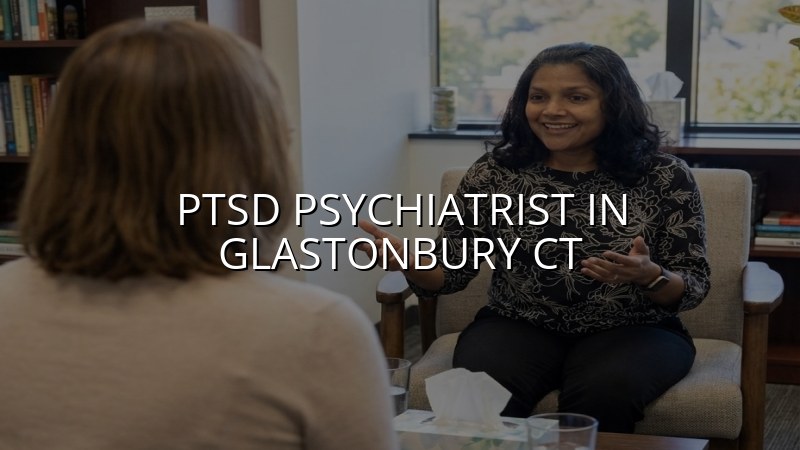
Glastonbury is the kind of town where, from the outside, it looks like everyone has things figured out. Good careers, beautiful homes along the Connecticut River, kids in competitive programs. But trauma doesn't check your zip code before it decides to stay. A lot of high-achieving people in communities like this have learned to outrun what happened to them — with work, with busyness, with forward momentum. The problem is that PTSD doesn't respond to busyness. It runs alongside everything else, quietly costing you sleep, relationships, and the ability to be fully present in the life you've built. Sindhia Shyras, APRN is a board-certified Psychiatric Nurse Practitioner with nine-plus years of experience treating trauma in people who've tried everything else first.
The Trauma That Success Hides
For high-achievers, trauma often gets buried under accomplishment. Maybe something happened years ago — assault, a violent relationship, a childhood that wasn't safe — and you did what you had to do: you survived, you built a life, you moved forward. But "forward" and "through" aren't the same thing. The intrusive memories are still there, maybe surfacing in quiet moments or in dreams. There's emotional disconnection from people you care about — a feeling of going through the motions, of watching your own life from a step removed. That dissociation, that numbness, that sense that something is always slightly off — it's not burnout. It's not ingratitude. It's trauma that hasn't been processed, and it's treatable.
What Psychiatric Care Looks Like Here
Sindhia doesn't do cookie-cutter care. The first appointment is a full psychiatric evaluation — about an hour — where she actually listens: your history, your symptoms, what you've tried, what you need. From there, she builds a care plan that fits your life. Medication management for PTSD is grounded in evidence — SSRIs for the core symptoms, prazosin if nightmares are a significant issue — and nothing gets started without a genuine conversation about what you're comfortable with. She also offers supportive therapy alongside medication. She accepts Aetna, Cigna, Husky Health, Medicaid, United Healthcare, Anthem, ConnectiCare, and self-pay. She speaks English, Malayalam, Tamil, and Telugu.
Telehealth for Busy Lives
Glastonbury residents — many of them commuting to Hartford or working demanding professional schedules — often find telehealth far easier to fit in. You can do the first evaluation and all follow-ups from your home office, between meetings, from wherever works. No commute, no waiting room, no scheduling around a brick-and-mortar office's hours. But if you prefer the structure of in-person visits, Rocky Hill is just fifteen minutes away. The care is exactly the same either way. What matters is that you actually come in, because waiting doesn't make PTSD smaller — it makes it more entrenched.
Frequently Asked Questions
Serving Glastonbury, CT and all of Connecticut via telehealth.
Call 860-515-8689 or book online below.
Book an Appointment