PTSD Treatment in Guilford, CT
PTSD Psychiatrist for Guilford, CT — You've Built a Successful Life. But Part of You Is Still Stuck Back There.
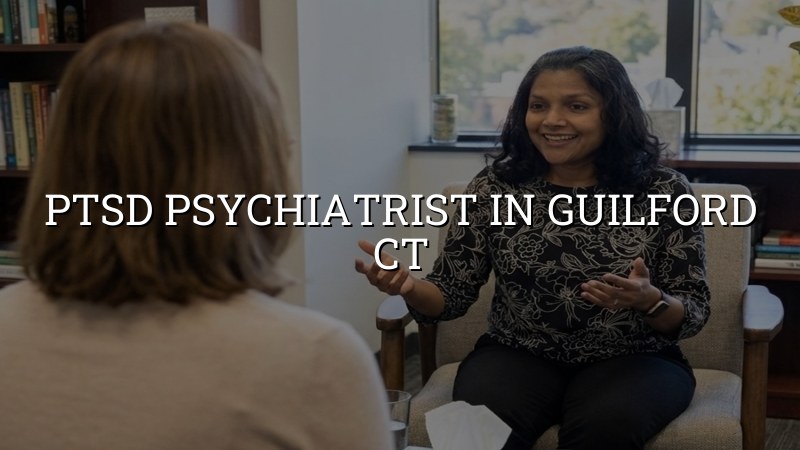
Guilford has a particular character — the green, the historic homes, the carefully preserved sense of a town that takes its identity seriously. People here tend to be accomplished. They've built careers, raised families, cultivated something that looks, from the outside, like a very good life. And maybe it is a good life. That's not in question. But sometimes behind the good life there's something unaddressed — something that happened years ago, maybe before Guilford, maybe in a relationship or a situation that you've long since moved away from. And yet it still shapes things. The way you respond to stress. The quality of your sleep. Whether you can actually be present in the moments of your life, or whether you're always half somewhere else. PTSD doesn't announce itself dramatically in everyone. Sometimes it's quiet, well-managed on the surface — and exhausting underneath. Sindhia Shyras, APRN is a board-certified Psychiatric Nurse Practitioner with nine years of experience. She sees Guilford residents via telehealth anywhere in Connecticut and in-person in Rocky Hill.
PTSD Hidden Behind a Productive Life
There's a version of PTSD that doesn't look like PTSD from the outside. You're not visibly distressed. You function — often exceptionally well. But look closer and you'll find the cost: the inability to stop working because stillness feels dangerous. The strategic avoidance of situations, people, and places that might touch something you don't want touched. The emotional compartmentalization that gets called "being professional" but is really about keeping yourself at a survivable distance from your own interior. High-achieving survivors often don't seek help because they've convinced themselves — and sometimes everyone around them — that they're fine. But fine isn't the same as whole. And Sindhia works with people who are ready to close that gap.
Intrusive Memories and the Present You Can't Stay In
One of the most disorienting aspects of PTSD is how it pulls you out of your own life. You're in a meeting, or having dinner with your family, or standing in your backyard in Guilford on a perfectly ordinary evening — and something drags you sideways. Not always a clear flashback. Sometimes just a weight, a feeling, a sudden distance from everything around you. The clinical term is dissociation, but what it feels like is absence — being here and not here simultaneously. Medication can reduce the frequency and intensity of these episodes. It doesn't erase what happened. But it can quiet the interference enough that the present becomes somewhere you can actually live.
When Success Isn't Enough to Make You Feel Safe
This is one of the harder things to say out loud: you can achieve everything you set out to achieve and still feel, underneath it all, like something is wrong. Like you're waiting for something bad to happen. Like none of it is really yours to keep. That chronic underlying dread — sometimes called hypervigilance, sometimes just "anxiety," but often rooted in trauma — doesn't respond to more achievement. It responds to treatment. And getting treatment isn't a sign that your success is fragile. It's a sign that you're willing to be honest about what's still unfinished.
What Getting Started Looks Like
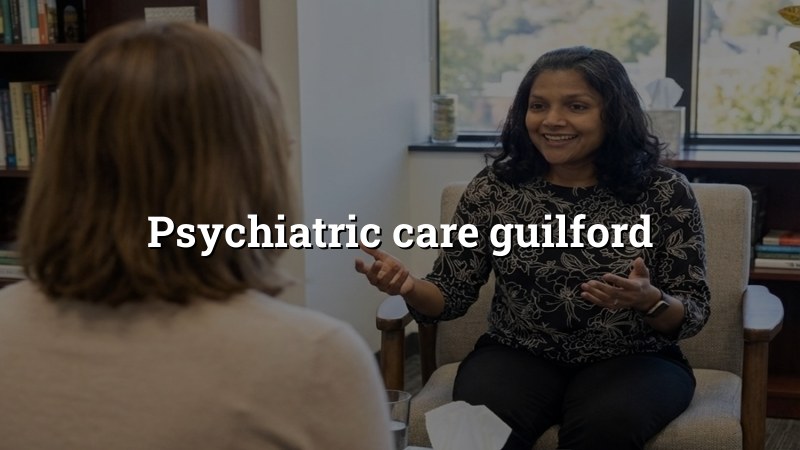
The first appointment is an hour — a full psychiatric evaluation with Sindhia. She'll want to understand your history, your current symptoms, and what's most interfering with your life. From there she'll build a treatment plan with you. That often includes medication — SSRIs are well-studied and effective for PTSD, and for some people prazosin for nightmares is genuinely life-changing. She's not going to lecture you or tell you what to decide. She's going to give you real information and let you make an informed choice. She accepts Aetna, Cigna, Husky Health, Medicaid, United Healthcare, Anthem, ConnectiCare, and self-pay.
Frequently Asked Questions
Serving Guilford, CT and all of Connecticut via telehealth.
Call 860-515-8689 or book online below.
Book an Appointment