PTSD Psychiatrist in Norwich, CT
PTSD Treatment in Norwich, CT — You Don't Have to Carry This Alone
Norwich has seen hard times — economically, socially, in ways that leave marks on people and on communities. If you grew up in difficult circumstances, witnessed violence, or lived through experiences that never quite left you, what you're carrying might be complex trauma — and it's not something that just fades on its own. Sindhia Shyras, APRN is a board-certified Psychiatric Nurse Practitioner with nine-plus years of experience helping people in exactly this situation. Real help is closer than you think.
Complex Trauma Is Different — And Just as Real
Not all PTSD comes from a single dramatic event. For a lot of people, especially those who grew up in unstable homes, witnessed ongoing community violence, or lived through years of chronic stress and threat, trauma accumulates. This is sometimes called C-PTSD — complex post-traumatic stress disorder — and it tends to show up differently than classic PTSD. You might struggle with emotional regulation, with trusting people, with feeling like you have any control over your life. You might dissociate — zone out, lose time, feel disconnected from yourself — without even knowing that's what's happening. It can look like mood problems, personality issues, or just being "difficult." But it's trauma. And it responds to the right care.
What the Evaluation Looks Like
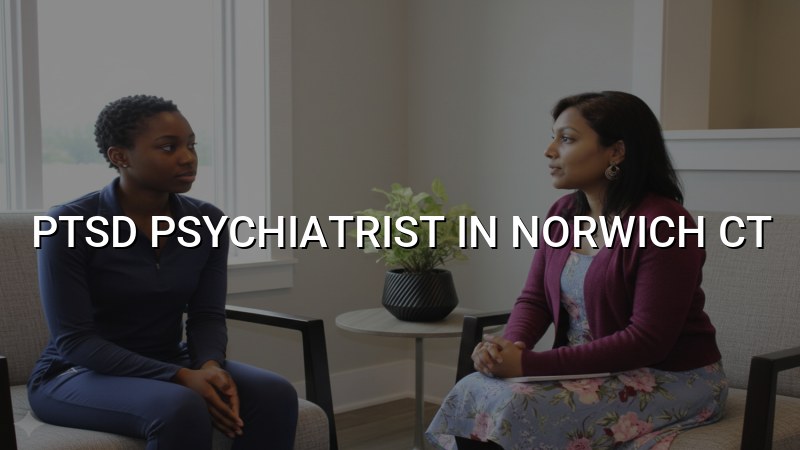
Sindhia's first appointment is a full psychiatric evaluation — about an hour, unhurried. She's going to ask about your history, your current symptoms, how your sleep, mood, and daily functioning are affected. She won't push you to relive anything. The point is to build a clear picture of what you're dealing with so she can put together a care plan that actually makes sense for you. Medication management for complex trauma might include SSRIs to reduce reactivity and improve mood stability. It's not a magic fix, but it can lower the noise enough that life starts to feel manageable again.
Telehealth Makes It Easier to Start
If getting to an office feels like too much right now — because of anxiety, because the idea of sitting in a waiting room makes you tense, because your schedule is unpredictable — telehealth is a real option. Sindhia sees patients throughout Connecticut by video, and the first evaluation can happen that way too. All you need is a phone or computer and a private space. She speaks English, Malayalam, Tamil, and Telugu, and she accepts Aetna, Cigna, Husky Health, Medicaid, United Healthcare, Anthem, ConnectiCare, and self-pay. No referral required.
Frequently Asked Questions
Serving Norwich, CT and all of Connecticut via telehealth.
Call 860-515-8689 or book online below.
Book an Appointment