PTSD Treatment in Waterbury, CT
PTSD Psychiatrist Serving Waterbury, CT
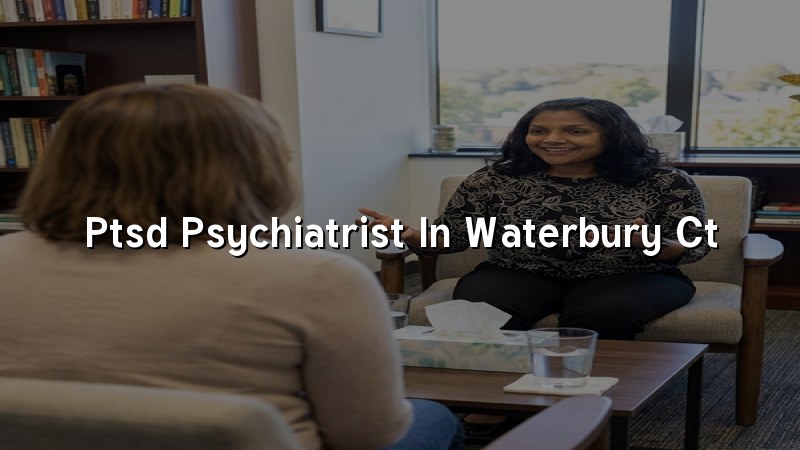
Waterbury has always been a town that works hard and asks for little. Post-industrial, proud, and no-nonsense — and maybe that's part of why PTSD goes untreated here more often than it should. There's an unspoken expectation in a lot of Waterbury families that you push through. That you don't make it a whole thing. But PTSD isn't just "being shaken up." It's a real condition with real symptoms — and some of those symptoms can quietly take apart your relationships, your sleep, your ability to just get through a day without feeling like you're bracing for something awful. If you've been dealing with the aftermath of a bad accident, a medical scare, or something that happened at work, Sindhia Shyras, APRN can help you figure out what's going on and what to do about it.
Medical and Accident Trauma — The Aftermath Nobody Talks About
Waterbury's got factories, construction sites, long commutes on Route 8 and 84. Accidents happen. And sometimes the physical injuries heal long before the psychological ones do. You might be fully recovered according to your doctor — but you still feel dread when you approach that stretch of road. Or the sound of machinery makes your heart rate spike. Or you had a medical emergency — a cardiac event, a surgery that didn't go as planned, a health scare that made you genuinely afraid you were going to die — and now you can't stop thinking about it months later. That's trauma. It deserves treatment just as much as the physical injury did.
PTSD and Sleep — A Cycle That Gets Worse Without Help
One of the most grinding parts of PTSD is what it does to sleep. Nightmares that put you right back in the worst moments. Waking up at 3 a.m. and lying there with your thoughts racing and your body tense. Getting through the next day half-exhausted, which makes everything harder — your mood, your patience, your ability to cope with anything that comes at you. And then it starts over. Sindhia takes sleep disruption seriously as a PTSD symptom, not just as a side effect. Prazosin, for example, has real evidence behind it for trauma-related nightmares and can make a significant difference. She'll look at your full picture and talk you through what options might help.
Frequently Asked Questions
Serving Waterbury, CT and all of Connecticut via telehealth.
Call 860-515-8689 or book online below.
Book an Appointment