PTSD Treatment in Danbury, CT
PTSD Treatment for Danbury, CT Residents
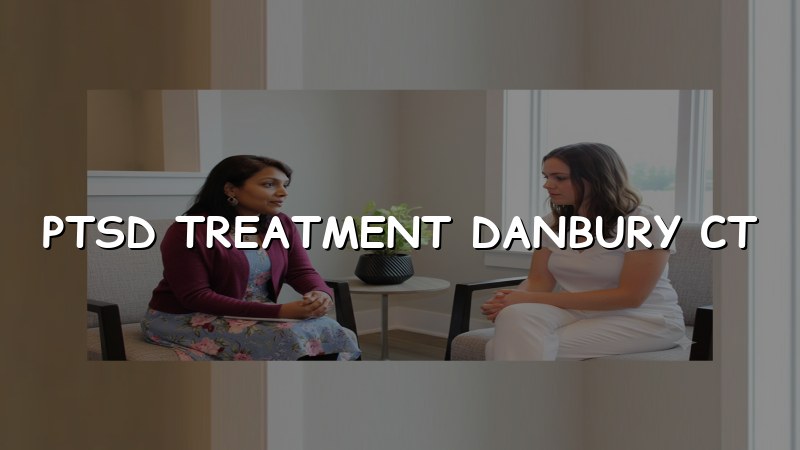
Danbury is one of Connecticut's most diverse cities — home to large Latin American and immigrant communities, longtime residents, and people from dozens of different backgrounds. And across all of those communities, trauma is common and undertreated. Whether it's something that happened in Danbury or something carried over from a life before, PTSD doesn't expire. It doesn't resolve on its own because enough time has passed. What it does is stay — in the hypervigilance, the broken sleep, the way certain situations make your whole system go on alert without warning. Getting real psychiatric treatment for PTSD is how you start to change that. Sindhia Shyras, APRN, is a board-certified Psychiatric Nurse Practitioner with nine years of experience providing psychiatric care. She sees Danbury residents via telehealth throughout Connecticut and in person at our Rocky Hill office. She speaks English, Malayalam, Tamil, and Telugu, and she brings experience working with diverse patient populations.
Why People Don't Recognize Their Own PTSD
A lot of people come in describing depression, anxiety, or insomnia — and through evaluation it becomes clear that PTSD is the underlying issue. That's not a failure to notice. It's that PTSD overlaps heavily with other conditions, and many people don't connect their current struggles to a specific past event. Maybe the event was years ago. Maybe they've normalized the symptoms because it's been so long. Maybe they don't think what they went through "counts" as trauma. It counts. And the evaluation is where that gets sorted out — not by you having to make the case, but by someone asking the right questions.
The Treatment Approach
Your first appointment is a full psychiatric evaluation — not a 20-minute intake, but a real conversation. Sindhia wants to understand what you've been experiencing, how long it's been going on, what disrupts your daily life, and what you've already tried. From there she puts together a plan. Medication is often a cornerstone — sertraline and paroxetine are FDA-approved for PTSD; Effexor is another well-supported option. Nightmares get addressed specifically with prazosin if needed. Supportive therapy is woven into the ongoing care. Follow-up appointments are scheduled upfront so your care stays active and can shift as things change. She accepts Aetna, Cigna, Husky Health, Medicaid, United Healthcare, Anthem, ConnectiCare, and self-pay.
The Privacy of Telehealth
For many trauma survivors, one of the real barriers to seeking care is the fear of being seen — walking into a clinic, sitting in a waiting room, running into someone you know. Telehealth removes all of that. Sindhia's appointments happen over a secure video call from your home, car, or anywhere private. No waiting room. No commute. No one else in the picture. For Danbury residents, it also means no long drive to Rocky Hill unless you prefer to come in. The quality of care is the same either way.
PTSD and Depression — They Often Come Together
Depression and PTSD overlap significantly — both can involve emotional withdrawal, lost interest in things you used to enjoy, difficulty imagining a future. When both are present, treating one without addressing the other usually doesn't work well. Sindhia's evaluation looks at the full picture. If depression is part of what's going on alongside PTSD, that gets factored into the medication plan and the ongoing care approach.
Frequently Asked Questions
Serving Danbury, CT and all of Connecticut via telehealth.
Call 860-515-8689 or book online below.
Book an Appointment