PTSD Treatment in Trumbull, CT
PTSD Treatment in Trumbull, CT — When Outward Stability Masks an Inner Struggle
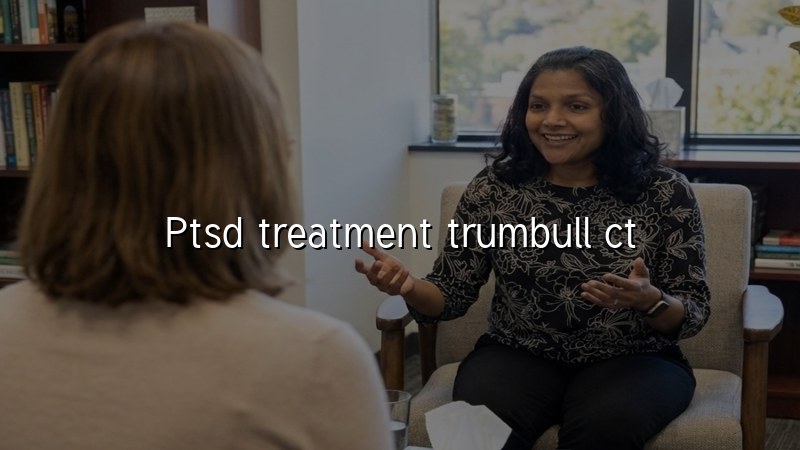
Trauma Doesn't Care What Your Address Is
Trumbull is one of Fairfield County's more affluent suburbs — good schools, stable neighborhoods, the kind of place where things look fine from the outside. But trauma doesn't negotiate based on zip code. Serious car accidents happen on Routes 111 and 25. Sudden illness changes families overnight. Domestic violence happens behind closed doors in every kind of neighborhood. Assault doesn't discriminate. And childhood trauma follows people wherever they move. What's different about Trumbull — and suburban communities generally — is that the pressure to appear fine is often higher. You keep functioning. You show up. And the symptoms that have been quietly accumulating for months or years don't get addressed until something breaks. Sindhia Shyras, APRN, is a board-certified Psychiatric Nurse Practitioner with nine years of experience providing trauma-informed psychiatric care. She sees Trumbull residents via telehealth across all of Connecticut and in person in Rocky Hill.
High-Functioning Doesn't Mean Fine
One of the more common presentations Sindhia sees from suburban patients is what might be called "high-functioning PTSD." You're managing work, managing family, managing the appearance of a normal life — while also not sleeping well, being irritable in ways your family has noticed, avoiding certain situations you can't quite explain, and feeling a persistent tension that doesn't go away on vacation. You haven't lost your job. You haven't stopped functioning. So you tell yourself it's not that serious. But the standard for getting help isn't hitting rock bottom — it's whether something is affecting your quality of life. If it is, it's worth addressing.
Why Telehealth Works Well in Trumbull
Privacy is a genuine concern in close suburban communities. Running into someone you know at a mental health office feels different in Trumbull than it might in an anonymous city neighborhood. Telehealth removes that concern entirely. Your appointment is wherever you choose — your home office, your car before school pickup, a quiet afternoon when the kids are out. Secure video, no waiting room, no shared parking lot. And for people who've been quietly managing things and aren't sure they want anyone to know they're seeking help, that privacy is often the difference between making the call and not. Elite Health accepts Aetna, Cigna, Husky Health, Medicaid, United Healthcare, Anthem, ConnectiCare, and self-pay.
What a Trauma-Informed Evaluation Actually Involves
Sindhia's evaluation isn't a checkbox exercise. It's a real conversation about how you've been sleeping, what situations feel uncomfortable or activating, whether your reactions to things have shifted, how your relationships are going. You're not required to describe what happened in detail. You're not asked to justify your symptoms against some imaginary scale of "bad enough." The clinical picture she's building is about your current functioning — and from there, she maps out a treatment approach that typically involves medication, structured follow-up, and supportive care, adjusted over time based on what's actually working.
Frequently Asked Questions
Serving Trumbull, CT and all of Connecticut via telehealth.
Call 860-515-8689 or book online below.
Book an Appointment