PTSD Treatment in Milford, CT
PTSD Treatment for Milford, CT Residents
Milford is a coastal community — beaches, commuters, families, a stretch of Route 1 that connects it to the rest of the shoreline. It also has hospitals nearby, major highways running through it, and a population that's seen its share of car accidents, medical emergencies, sudden losses, and the kind of health scares that leave you changed even after you recover. Medical trauma is one of the most underrecognized causes of PTSD. A serious surgery, a cardiac event, an unexpected ICU stay — these aren't combat. But they're overwhelming experiences that the nervous system doesn't always process cleanly. You're left with a body that startles at monitor beeps, a mind that goes to the worst case every time something feels off physically. That's real, and it's treatable.
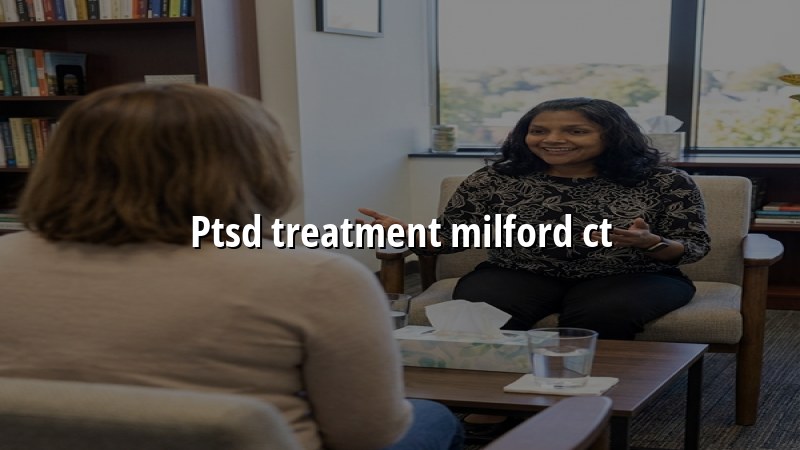
Sindhia Shyras, APRN, is a board-certified Psychiatric Nurse Practitioner with nine years of experience. She sees Milford residents via telehealth — from home, no commute needed — and in person at our Rocky Hill office. Her care is trauma-informed from the first appointment.
Accident and Medical Trauma — When the Body Doesn't Forget
A car accident on I-95 near Milford can leave you physically fine in a matter of weeks. But sometimes, months later, you're gripping the steering wheel white-knuckle on the on-ramp, heart racing before you've even merged. Or you're replaying it at night. Or you've started avoiding that stretch of highway entirely and routing around it like it's the most natural thing in the world. That's not being dramatic. That's PTSD from a traumatic event — and it's one of the clearest examples of how the nervous system encodes experience. Medical trauma works similarly: the body's alarm system got activated during a medical crisis, and it hasn't fully reset. Sindhia's evaluation identifies what's happening and maps out a treatment approach that actually addresses the underlying condition.
Telehealth: Why It Makes Sense for Milford
Milford residents often commute — to Bridgeport, New Haven, or points north. Fitting a psychiatric appointment into a packed schedule isn't easy. Telehealth solves the logistics: your appointment is wherever you are, on your phone or laptop, no office visit required. For PTSD specifically, there's another benefit — staying in a familiar, safe environment for the appointment reduces the chance that getting care itself becomes a trigger. Sindhia conducts all initial evaluations and follow-up appointments via secure video. Prescriptions go directly to your pharmacy electronically. It's full psychiatric care without the commute. Elite Health accepts Aetna, Cigna, Husky Health, Medicaid, United Healthcare, Anthem, ConnectiCare, and self-pay.
How Long Does PTSD Treatment Take?
There's no universal timeline, and anyone who tells you differently is oversimplifying. Some people notice meaningful improvement in a few months on the right medication. Others have been dealing with trauma for years — sometimes decades — and the work is longer. What matters is that you're not stuck in a holding pattern indefinitely. Sindhia monitors how you're responding, adjusts the approach when something isn't working, and keeps the conversation going about what you want your life to look like — not just symptom reduction, but actual functioning.
Frequently Asked Questions
Serving Milford, CT and all of Connecticut via telehealth.
Call 860-515-8689 or book online below.
Book an Appointment