PTSD Psychiatrist in Shelton, CT
PTSD Help for Shelton, CT Residents
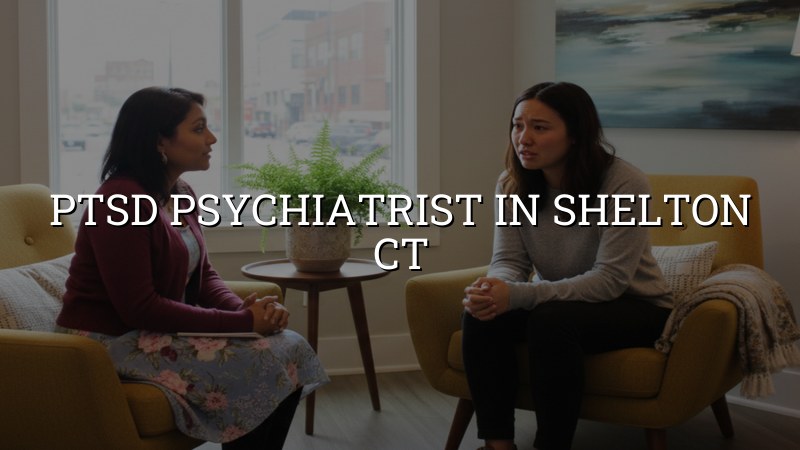
Trauma doesn't stay in the past. If you've been through a workplace accident, an industrial injury, or any event that left you shaken in ways you can't shake off — you're not weak, and you're not making it up. PTSD is a real neurological response to overwhelming experiences. Sindhia Shyras, APRN has worked with trauma survivors for nine-plus years, and she's helped people in the Housatonic Valley get their lives back through honest psychiatric care that doesn't rush you and doesn't minimize what you've been through.
When Your Body Won't Let Go
A lot of people from Shelton's manufacturing and industrial community have come to Sindhia after a workplace injury — not just for the physical injuries, but for what stayed in their heads long after the body healed. The sound of machinery, the smell of a particular shop floor, even walking past a certain building can send the whole thing rushing back. That's not anxiety. That's a triggered traumatic memory, and it's one of the most recognizable signs of PTSD. You might be hypervigilant at work now, bracing for something to go wrong again. You might startle easily, sleep badly, or find yourself emotionally flat around people you love. All of that is treatable.
What Medication Can Actually Do
Sindhia doesn't hand out prescriptions without a real conversation first. The first visit is a full psychiatric evaluation — usually about an hour — where she goes through what happened, how it's affecting your sleep, your mood, your daily life. Certain SSRIs are FDA-approved for PTSD and can make a real difference in the intensity of intrusive thoughts and emotional reactivity. For people dealing with nightmares specifically, prazosin has solid research behind it. The goal isn't to numb you out — it's to lower the noise enough that you can actually function and, over time, feel like yourself again. She accepts Aetna, Cigna, Husky Health, Medicaid, United Healthcare, Anthem, ConnectiCare, and self-pay.
Frequently Asked Questions
Serving Shelton, CT and all of Connecticut via telehealth.
Call 860-515-8689 or book online below.
Book an Appointment