PTSD Psychiatrist in Naugatuck, CT
PTSD Treatment in Naugatuck, CT — For People Who've Seen Enough
Naugatuck has always been a working town. People here get up and get it done — they don't complain, they don't ask for much, and they especially don't like to admit when something's broken. But PTSD doesn't care about that. An industrial accident, a bad fall, a moment when machinery did something it wasn't supposed to — these things leave a mark that work ethic alone can't undo. If you've been pushing through and finding it harder and harder to do that, you're not failing. You're overdue for real help. Sindhia Shyras, APRN is a board-certified Psychiatric Nurse Practitioner with nine-plus years of experience treating trauma survivors, and she understands this community's relationship with asking for help.
What Industrial and Workplace Trauma Does to You
When something goes wrong on the job — a machine failure, a serious injury, witnessing a coworker get hurt — the aftermath can follow you home in ways that are hard to explain. You might not be able to go back to that facility without your heart rate spiking. You might startle at sudden noises that never used to bother you. Sleep might be broken by replays of the incident. And there's often anger mixed in — at management, at safety failures, at the situation — that complicates the grief. This is PTSD from occupational trauma. It's real, it's common, and it doesn't mean you're not tough. It means your brain is responding normally to something abnormal.
What Treatment Looks Like Here
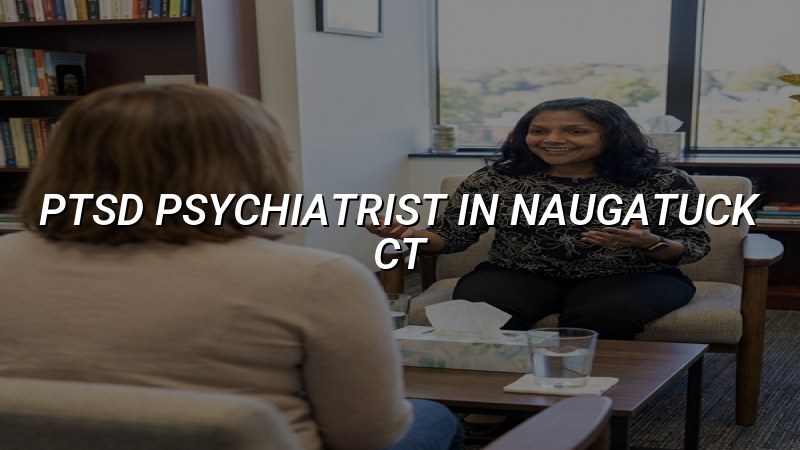
Sindhia starts with a full psychiatric evaluation — not a quick intake form, but a real conversation about what happened, what's been happening since, and what you need. From there, she puts together a care plan. For PTSD, that often includes medication management: SSRIs are the most evidence-backed medications for trauma, and they can reduce the intensity of triggers, emotional reactivity, and the depression that tends to come along for the ride. If your sleep is being wrecked by nightmares, she may also consider prazosin, which has good evidence behind it specifically for that. She accepts Aetna, Cigna, Husky Health, Medicaid, United Healthcare, Anthem, ConnectiCare, and self-pay. No referral needed to make an appointment.
Telehealth or In-Person — Your Choice
Some people prefer to come to the office in Rocky Hill — it's close, it's a quick drive from Naugatuck. Others would rather stay home, especially at first. Telehealth works for all of Connecticut, including the first evaluation. You just need a phone, tablet, or laptop and a private space. Either way, you're getting the same care from the same provider. And if you've avoided getting help because you didn't want to sit in a waiting room with a bunch of strangers, telehealth solves that problem entirely.
Frequently Asked Questions
Serving Naugatuck, CT and all of Connecticut via telehealth.
Call 860-515-8689 or book online below.
Book an Appointment