Supportive Therapy in Wallingford, CT
What Therapy Actually Looks Like — Supportive Therapy in Wallingford, CT
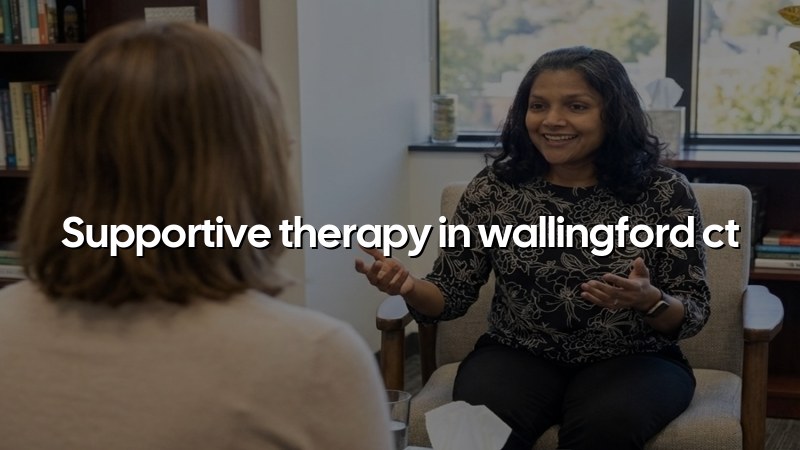
A lot of people in Wallingford have thought about therapy — maybe more than once — and then talked themselves out of it. Maybe it felt like too big a step. Maybe you weren't sure what would even happen once you were in the room. That uncertainty is more common than you think, and it's worth addressing directly. Supportive therapy isn't what most movies make it look like. There's no couch. No long silences while someone stares at you. No moment where a clinician decides what's wrong with you. It's a conversation — one you steer, at a pace that feels manageable. Sindhia Shyras, APRN has been practicing psychiatric care for over nine years, and she's good at making people feel at ease even when they've never done this before.
So What Actually Happens in a Session?
You show up — in person or on a video call — and Sindhia asks how things have been going. Not in a clinical, clipboard-checking way. More like someone who genuinely wants to know. From there, the conversation follows what matters to you that day. Sometimes that's something specific that happened. Sometimes it's a pattern you've noticed. Sometimes it's just a feeling you can't shake. Sindhia listens, asks good questions, and helps you think through what's coming up — without telling you what to do or making you feel like a case file.
There's No Homework. No Protocol to Complete.
This is one of the things people are most relieved to hear. Supportive therapy isn't a structured treatment program with phases and assignments. You're not working toward a certificate at the end. Some sessions feel more productive than others — that's normal. What stays consistent is the relationship, the space, and the fact that someone is paying real attention to how you're doing over time. And over time, that tends to shift things. Quietly, but meaningfully.
Who Is This Kind of Therapy For?
Honestly? A wide range of people. Folks in Wallingford going through a hard season — job loss, a health scare, a relationship falling apart, the low-grade heaviness that doesn't have a name. People who tried other approaches and found them too rigid. People who just want someone consistent to talk to. You don't need a dramatic story to deserve support. If things feel hard in a way you can't shake alone, that's enough to get started.
Frequently Asked Questions
Serving Wallingford, CT and all of Connecticut via telehealth.
Call 860-515-8689 or book online below.
Book an Appointment