Supportive Therapy in North Haven, CT
Supportive Therapy for Anxiety — North Haven, CT
Anxiety has a way of making everything feel bigger than it is — and making you feel smaller. The constant background hum of worry. The what-ifs that show up the moment you try to sleep. The sense that you're one bad email away from falling apart, even when things are technically fine. If you live in North Haven and you've been carrying that kind of tension for a while, you're not imagining it — and you don't have to just push through. Sindhia Shyras, APRN has worked with people dealing with anxiety for over nine years. She offers supportive therapy as a space where you can set down some of what you're carrying — without being handed a workbook or told to reframe your thinking. Just an honest conversation with someone who gets it.
Anxiety Doesn't Always Look Like Panic
Most people with anxiety aren't having panic attacks in public. They're just... tightly wound. Always braced for something to go wrong. Struggling to delegate at work because they can't stop imagining how it'll get messed up. Avoiding social things because the buildup feels like too much. Maybe snapping at the people they love, then feeling awful about it. Supportive therapy helps with all of this — not by teaching you tricks to stop the thoughts, but by giving you a regular space to process what's underneath them. A lot of anxiety comes from carrying too much for too long without enough support. That's very fixable.
How Is This Different From CBT?
Cognitive behavioral therapy is structured and skill-focused — it's about identifying patterns and practicing different responses. It's useful for a lot of people. But some people find it too mechanical, or they're not in a place where learning coping techniques feels accessible. Supportive therapy doesn't ask you to do anything except show up and be honest. There's no technique to get right, no fear ladder to climb. Sindhia meets you where you are. For people dealing with stress and anxiety that's tied to real life circumstances — not just thought patterns — that relational approach often works better.
What to Expect in Your Sessions
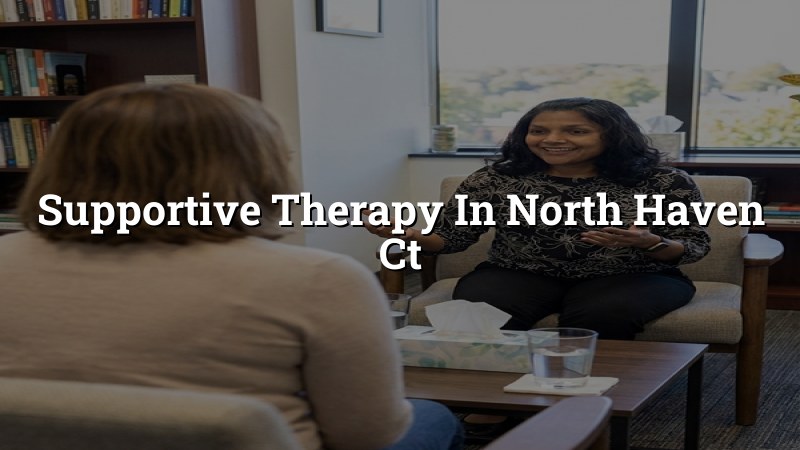
Sessions are typically 30 to 60 minutes. You and Sindhia will talk about what's going on — what's felt hard lately, what's been triggering the worry, how you've been sleeping, how things are at home or at work. Over time, you start to see patterns you didn't see before. The anxiety doesn't disappear overnight, but it starts to feel less like it's running the show. A lot of North Haven patients describe it as finally having room to breathe — like something that was compressed inside them got a little more space.
Frequently Asked Questions
Serving North Haven, CT and all of Connecticut via telehealth.
Call 860-515-8689 or book online below.
Book an Appointment