Supportive Therapy in Derby, CT
Supportive Therapy for Depression — Derby, CT
Depression is one of those things that's much harder to explain from the inside than the outside. From the outside, someone might look fine — they're showing up, they're getting through the day. But inside, there's this heaviness, this flatness, this sense that nothing quite lands the way it used to. Derby is a working community — people push through. But pushing through isn't the same as getting better, and a lot of people in the Valley find themselves managing depression quietly for years before reaching out. Supportive therapy alongside medication can change that picture. Sindhia Shyras, APRN has been working with depression — both the therapy side and the medication side — for over nine years. She sees Derby residents via telehealth and in person at our Rocky Hill office.
Medication Helps — But It Doesn't Do Everything
Antidepressants can make a real difference. They can lift the floor, reduce the weight, make it possible to get out of bed without a fight. But they don't resolve the grief underneath the depression, or the patterns you've developed over years of managing without support, or the relationship strain that's built up over time. That's where therapy comes in. Supportive therapy gives you a space to process the layers that medication can't reach — not through worksheets or techniques, but through honest, ongoing conversation with someone who actually knows you.
What These Sessions Feel Like
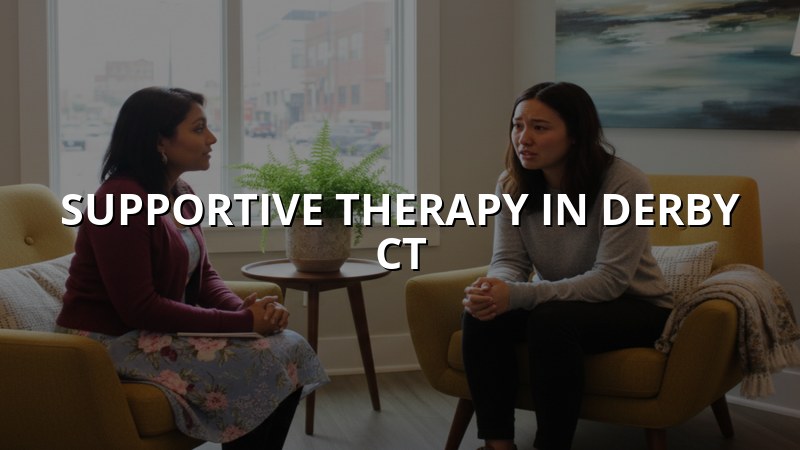
Supportive therapy for depression isn't about "fixing your thinking." It's about having a consistent space where you can talk about what's actually going on — the days that were hard, the things that helped, the stuff you haven't told anyone else. Over time, Sindhia gets to know your patterns. She notices when you're minimizing. She asks the questions that help you see something you'd been avoiding. And she's a psychiatric NP, so she can also adjust your medication if something's not working — without you having to call a separate office or start over with someone new.
You Don't Have to Choose Between Therapy and Medication
A lot of people think it's one or the other — like therapy is for people who don't want medication, or medication is for people who don't believe in therapy. But research is pretty clear that the combination tends to work better than either alone for depression, especially moderate to severe. And with Sindhia, you don't have to coordinate between two providers to get both. It's one relationship, one office, one conversation. For people in Derby who are tired of managing this alone, that kind of simplicity matters.
Frequently Asked Questions
Serving Derby, CT and all of Connecticut via telehealth.
Call 860-515-8689 or book online below.
Book an Appointment