Supportive Therapy in Ansonia, CT
Supportive Therapy in Ansonia, CT — No Homework Required
You've probably heard of CBT — cognitive behavioral therapy. It's one of the most common approaches out there, and it works really well for a lot of people. But it also has a specific feel to it: structured sessions, thought records, behavior logs, homework between appointments. If that sounds like something that would stress you out more than it helps, you're not alone. A lot of people find that kind of framework hard to engage with — especially when they're already exhausted or overwhelmed. Supportive therapy is a different animal entirely. No assignments. No techniques to practice. No framework to get right. Just an honest conversation with a clinician who knows how to listen. Sindhia Shyras, APRN has been offering this kind of care in Connecticut for over nine years, and she sees Ansonia residents via telehealth and in person at our Rocky Hill office.
What Makes Supportive Therapy Different
CBT is built on a model: thoughts influence feelings, feelings influence behavior, so you learn to identify and challenge unhelpful thoughts. It's a skills-based approach. Supportive therapy doesn't teach skills. It offers something different — a consistent, warm, non-judgmental relationship where you can say what's actually going on and have someone genuinely engaged with it. The healing in supportive therapy comes from the relationship itself: from feeling heard, from being able to process things out loud, from having someone in your corner who knows your story over time. For a lot of people — especially those dealing with life stress, grief, adjustment, or ongoing mood struggles — that relational element is exactly what they needed.
So When Is CBT a Better Fit?
CBT tends to work particularly well for specific, well-defined problems — phobias, OCD, panic disorder, some forms of social anxiety. If you want to learn tools you can use independently and you're motivated to practice between sessions, CBT can be very effective. But if what you're dealing with is more diffuse — a sense that things feel wrong, ongoing grief, relationship stress, adjustment to a big life change — the structure of CBT can feel mismatched. Supportive therapy is better suited to the messier, harder-to-categorize experiences that a lot of people in Ansonia are actually dealing with.
What Sessions Actually Feel Like
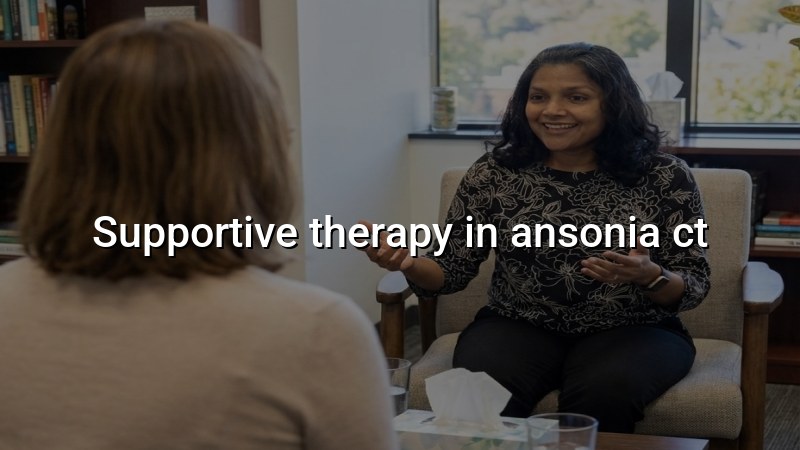
You show up and talk about what's been going on. Sindhia listens — really listens — and responds in ways that help you think more clearly about your own experience. There's no agenda to get through, no checklist to complete. Some sessions focus on something specific that happened. Others are more reflective. Over time, most people notice they start to understand themselves better, feel less alone, and handle difficult situations with a bit more steadiness. Not because they learned a technique. Because something shifted at a deeper level.
Frequently Asked Questions
Serving Ansonia, CT and all of Connecticut via telehealth.
Call 860-515-8689 or book online below.
Book an Appointment