Panic Disorder Treatment in Rocky Hill, CT
Panic Disorder in Rocky Hill, CT — When the ER Keeps Saying Your Heart Is Fine
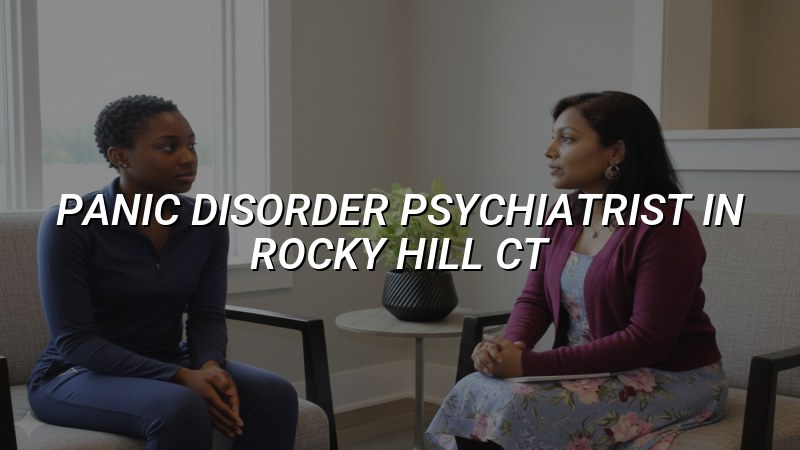
Your chest went tight. Your heart started hammering. You couldn't catch your breath, and some part of your brain was completely convinced you were dying. So you did the right thing — you went to the ER, or called 911, or drove yourself to the nearest urgent care. They ran an EKG. They checked your heart enzymes. And then a doctor looked at you and said everything's fine. "Normal." You went home, relieved but confused — and then it happened again. If you've had that experience more than once, you're not imagining things, and you're not being dramatic. You may be having panic attacks. And panic attacks, when they're recurrent, have a name: panic disorder. It's a real condition with real treatment. Sindhia Shyras, APRN has been helping Connecticut adults sort through exactly this — the physical symptoms that turned out to be panic, and the real path forward.
Why Panic Feels Exactly Like a Heart Attack
Panic attacks are produced by your nervous system's fight-or-flight response firing without an obvious threat. The chemicals involved — adrenaline, cortisol — cause every physical symptom you'd expect from a cardiac event: chest tightening, racing heart, shortness of breath, dizziness, numb or tingling hands, a sense of unreality. Some people describe a feeling of impending doom so strong that no amount of reassurance helps in the moment. Your body is doing everything it's supposed to do in a genuine emergency. The problem is that there isn't one. Panic disorder develops when these attacks become recurrent and when the fear of having another attack starts changing how you live — what you do, where you go, what you're willing to risk.
The "Cleared by the Doctor" Problem
Being told your heart is fine is good news. But it doesn't tell you what's actually happening or what to do next. A lot of people leave the ER without any follow-up referral for the mental health piece — and they spend months or years caught in a loop: another episode, another urgent care visit, another "everything looks normal." That loop is exhausting. It's also avoidable. A psychiatric evaluation with Sindhia looks at the whole pattern: how often the attacks happen, what they feel like, what leads into them, and what's happening in the rest of your life. From there, she can build a treatment plan — typically starting with medication to reduce the nervous system's baseline reactivity, which is what makes attacks possible in the first place.
Frequently Asked Questions
Serving Rocky Hill, CT and all of Connecticut via telehealth.
Call 860-515-8689 or book online below.
Book an Appointment