Panic Disorder Psychiatrist in Enfield, CT
Panic Disorder Psychiatrist in Enfield, CT
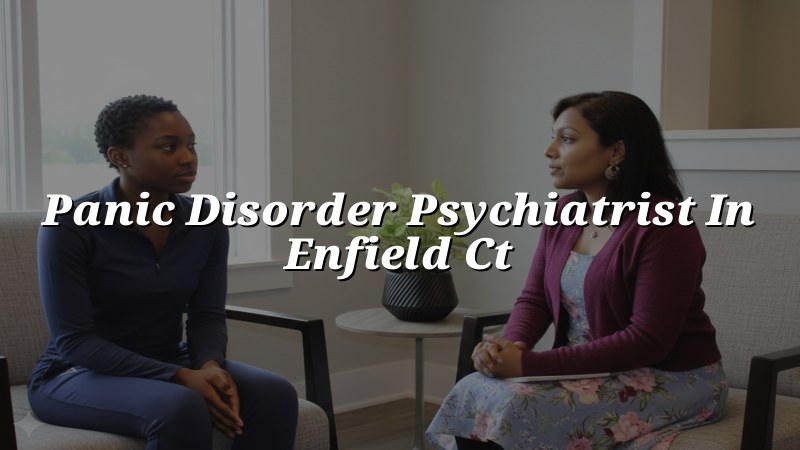
Medication isn't the only way to treat panic disorder — but for a lot of people, it's what actually turns the corner. Not because it's a shortcut, but because it changes the underlying conditions that make everything else harder. When you're having frequent attacks and living in constant dread of the next one, doing the harder work of changing your thinking and behavior is genuinely difficult. Medication that reduces the frequency and intensity of attacks gives you something to work from. People in Enfield and across Connecticut who've been dealing with panic disorder for months or years often say the same thing after medication starts working: I finally have enough breathing room to actually do something about this. Sindhia Shyras, APRN specializes in psychiatric medication management and will help you find an approach that actually fits your life.
How SSRIs Work for Panic Disorder
SSRIs — selective serotonin reuptake inhibitors — are the first-line medication treatment for panic disorder. They include medications like sertraline, fluoxetine, escitalopram, and paroxetine. They work by gradually increasing serotonin availability in the brain, which reduces the reactivity of the fear response over time. The key word is gradually: SSRIs take 4 to 8 weeks to produce noticeable effects, and the full benefit often comes at 8 to 12 weeks. This is not a drug that stops a panic attack in the moment. It's a treatment that, over weeks, makes panic attacks less frequent and less severe — and lowers the underlying anxiety that feeds anticipatory dread. Most people who respond well to SSRIs describe a quieting of the whole system, not just the attacks.
SNRIs — Another Strong Option
SNRIs — serotonin-norepinephrine reuptake inhibitors — are the other main first-line class for panic disorder. Venlafaxine (Effexor) is FDA-approved for panic disorder and has a strong evidence base. SNRIs work similarly to SSRIs but also affect norepinephrine, which can be particularly helpful when anxiety is accompanied by fatigue or low motivation. Whether an SSRI or an SNRI is the better starting point depends on your full history — other conditions, previous medication experiences, side effect concerns, and what you're trying to address. Sindhia Shyras will walk through this with you rather than defaulting to the first medication on a list.
What About Benzodiazepines?
Benzodiazepines — medications like lorazepam, clonazepam, and alprazolam — are sometimes used for panic disorder, typically for short-term relief while waiting for an SSRI or SNRI to take effect. They work quickly and can stop an acute panic attack. But they're not a long-term solution. They carry real risks: tolerance develops, meaning you need more over time for the same effect, and physical dependence can develop with regular use. They can also worsen depression. Sindhia Shyras uses a careful, evidence-informed approach to these medications — explaining the trade-offs honestly, using them for the shortest time appropriate, and not continuing them when the risks outweigh the benefits.
Common Questions
Medication Can Make a Real Difference — And You Deserve to Find Out
If you're in Enfield and panic disorder is affecting your life — Sindhia Shyras at Elite Health offers careful, evidence-based medication management. Telehealth available statewide.
Book an AppointmentOr call us at 860-515-8689
