Panic Disorder Psychiatrist in Guilford CT
Panic Disorder Psychiatrist in Guilford, CT

You ran the 8 a.m. meeting without anyone noticing your heart was pounding through your chest. You picked the kids up from school, made dinner, answered emails — and all day, just under the surface, was that familiar dread of the next attack. From the outside, life in Guilford looks pretty good. From the inside, you're exhausted in a way you can't explain to anyone. Sindhia Shyras, APRN, is a board-certified Psychiatric Nurse Practitioner with over nine years of experience helping people like you — high-functioning, capable, quietly falling apart — find actual relief from panic disorder. She sees patients throughout Connecticut via telehealth, with in-person visits available at her Rocky Hill office.
The High-Functioning Panic Nobody Talks About
There's a particular kind of panic that hides well. You've learned to excuse yourself to the bathroom at the right moment, to grip the steering wheel through the tunnel instead of pulling over, to blame a headache when you cancel plans. You're not falling apart publicly. But you're building your entire life around avoiding the next attack — and that's exhausting. Guilford is a high-achieving community. Admitting you're struggling when everything looks fine from the outside carries its own weight. That shame? It makes panic worse. And it doesn't mean you're broken. It means you need support that matches where you actually are.
What Panic Disorder Actually Looks Like — and Why It Persists
Panic attacks aren't just anxiety. They're sudden, overwhelming surges — racing heart, chest tightness, dizziness, the absolute certainty that something is terribly wrong. The attack passes, but the anticipation of the next one doesn't. You start changing your behavior to feel safer: different routes, different seats, skipping things you used to enjoy. That avoidance loop is what turns occasional panic into a disorder. And the longer it goes unaddressed, the more territory panic takes from you. Treatment exists that interrupts this cycle. It's not about willpower. It's about getting the right help.
How Sindhia Shyras, APRN Approaches Panic Treatment
Sindhia begins with a thorough psychiatric evaluation — no rushing, no assumptions. She wants to understand your history, your patterns, what you've already tried. From there, she offers medication management when it's appropriate, supportive therapy to work through what's driving the panic, and a plan that fits your real life. Telehealth makes this remarkably practical for Guilford residents — no commute to a waiting room, no sitting in traffic already anxious about sitting in traffic. Appointments happen on your schedule, from wherever you feel most at ease.
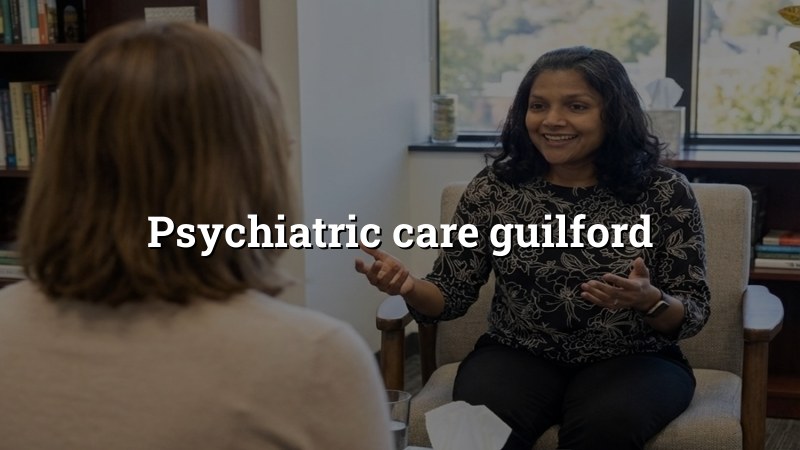
You Don't Have to Keep Managing This Alone
Asking for help when your life looks fine from the outside takes a specific kind of courage. But the bar for getting support isn't "things fell apart publicly." If panic is shaping your decisions — where you go, what you agree to, how you sleep — that's enough. Elite Health LLC accepts Aetna, Cigna, Husky Health, Medicaid, United Healthcare, Anthem, ConnectiCare, and self-pay. Sindhia also sees patients who prefer to communicate in Malayalam, Tamil, or Telugu, in addition to English. Getting started is straightforward, and the first step is just reaching out.
Common Questions About Panic Disorder Treatment
Ready to Stop Managing This Alone?
Sindhia Shyras, APRN sees patients across Connecticut via telehealth — no waiting room, no commute, no performing okayness in a parking lot before your appointment. If panic has been quietly running your schedule, it's time to talk to someone who gets it. Scheduling is simple and most major insurances are accepted.
Book an AppointmentOr call us at 860-515-8689 | 2049 Silas Deane Hwy, Ste 209, Rocky Hill, CT 06067
