Mood Disorder Treatment in Tolland, CT
Seasonal Mood Changes Are Real — Mood Disorder Care in Tolland, CT
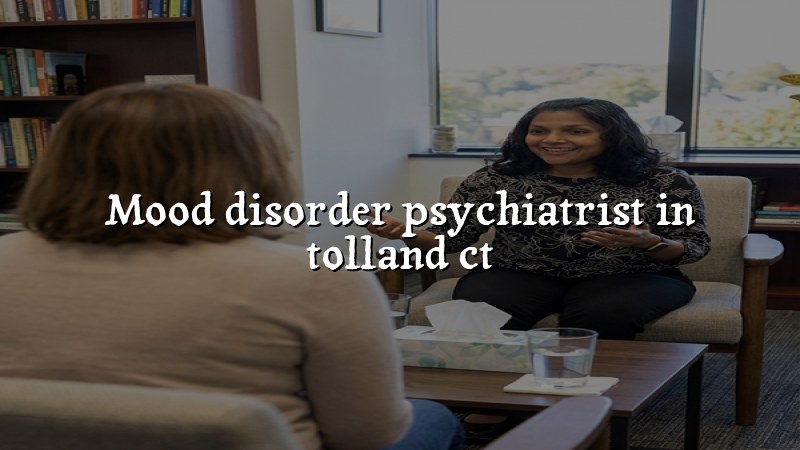
If you've lived in Tolland long enough, you know Connecticut winters. The grey skies start in November and don't really let go until April. And for a lot of people, that's more than just weather they don't like — it's a clinical change in their mood. Seasonal affective disorder, or SAD, is a real, diagnosable mood disorder where depressive episodes follow a predictable seasonal pattern. You might not even notice it's happening until you're deep in it — the sleeping too much, the carbohydrate cravings, the loss of interest in things that matter to you, the sense of just waiting for spring. If this sounds like every year, and not just a rough patch, that's worth talking to someone about. Sindhia Shyras, APRN at Elite Health LLC offers real psychiatric care for SAD — not just a suggestion to buy a lamp.
What Seasonal Affective Disorder Actually Looks Like
SAD is classified as a subtype of major depressive disorder or bipolar disorder with a seasonal pattern. The most common form peaks in fall and winter and remits in spring — following the reduction in daylight hours. Symptoms include low mood, low energy, hypersomnia (sleeping far more than usual), increased appetite — especially for carbohydrates — social withdrawal, difficulty concentrating, and a general heaviness that can be hard to articulate. What distinguishes it from regular depression is the pattern: it comes back every year, at roughly the same time, and lifts on its own as daylight returns. But "lifts in spring" doesn't mean you shouldn't treat it. You deserve to feel okay in February.
Effective Treatment for SAD in Connecticut
Light therapy is often the first line and can make a real difference — 20-30 minutes of 10,000 lux light exposure in the morning can shift your circadian rhythm and improve mood. But it's not the only option, and it doesn't work for everyone. Medication is effective for SAD, particularly SSRIs, and some people do best starting in October before symptoms peak. Sindhia evaluates your full history — the severity of your seasonal episodes, what you've tried before, whether there's a broader mood disorder present — and builds a treatment plan that's actually matched to your pattern. Tolland patients can come in to Rocky Hill or use telehealth from home. Either way works.
Frequently Asked Questions
Serving Tolland, CT and all of Connecticut via telehealth.
Call 860-515-8689 or book online below.
Book an Appointment