Do I Need Medication or Therapy in Milford CT
Do I Need Medication or Therapy in Milford CT
If you keep asking yourself, do I need medication or therapy in Milford CT, you’re probably trying to make sense of mixed symptoms, mixed advice, and a lot of uncertainty. Maybe sleep is off, work feels harder than it should, or your mood has been slipping for weeks. This page gives you a practical way to think through the choice, what each option involves, and how an adult psychiatric evaluation at Elite Health LLC can help you decide what fits your needs.
At Elite Health LLC, Sindhia Shyras, APRN meets with adults 18 and older in Rocky Hill and by secure telehealth across Connecticut. She looks at your history, current symptoms, health background, and goals before talking through treatment choices. That may include medication, supportive therapy, or both, depending on what the assessment shows and what feels workable for you. The focus is steady, respectful care, not guesswork.
What this question is really getting at
Most people asking this are not looking for a textbook answer. They want to know where to start. Medication can be helpful when symptoms are strong enough that sleep, concentration, appetite, or daily function are getting pulled off course. Therapy can be a good fit when you need support around coping skills, patterns of thinking, stress, grief, or life changes. Many adults need a mix of both, but that decision should come from a real clinical conversation, not a generic rule.
How the symptoms show up day to day
In Milford, people often call us after months of pushing through. They may be sleeping too much or too little, feeling on edge at work, losing focus during conversations, or snapping at people they care about. Some notice physical signs first, like tight muscles, racing thoughts, stomach upset, or a sense that they can’t slow down. Others describe feeling flat, disconnected, or stuck. These patterns matter because they help show whether the main need is symptom relief, skills-based support, or both.
What medication and therapy do differently
Medication management is about careful prescribing and monitoring when it’s clinically appropriate. Therapy, including supportive therapy and cognitive behavioural techniques, gives you a place to talk through stress, habits, triggers, and coping tools. One isn’t automatically better than the other. They work in different ways, and the right choice depends on what is driving the problem, how intense it is, and what kind of help you’ll actually use between visits.
- If symptoms are affecting work, sleep, or relationships, a psychiatric evaluation can help sort out what needs attention first.
- If you want to understand options before trying anything, a therapy-first approach may feel more manageable.
- If you have tried one approach before and it didn’t fit, that does not mean care is over; it means the plan may need to change.
- If you live in Milford but can’t easily make office visits, telehealth psychiatry lets you meet from anywhere in Connecticut.
A simple way to think through the first steps
When someone contacts us about do I need medication or therapy in Milford CT, we usually start by slowing the decision down. You do not need to arrive with a perfect answer. The first visit is about understanding what’s been happening, what you’ve already tried, and what you’re hoping changes. From there, the treatment discussion becomes more grounded. Some people leave with a plan for therapy support, some with medication options, and some with both. We also talk about follow-up so progress can be watched over time, not guessed at.
- Start with the story. We look at your current symptoms, how long they’ve been going on, and what’s changed in your daily life.
- Review your health background. Sleep, medical conditions, past treatment, and any medication history all matter in the assessment.
- Talk through the options. Medication, therapy, or a combination can be explained in plain language, including possible side effects and follow-up needs.
- Choose a first plan. The plan should match your goals, your comfort level, and what seems clinically reasonable right now.
- Check in and adjust. Follow-up visits look at mood, sleep, concentration, stress, and how well the plan is working for you.
Medication, therapy, or both: a practical comparison
| Option | What it focuses on | Typical use | What follow-up looks at |
|---|---|---|---|
| Medication management | Symptom reduction through evidence-based prescribing and monitoring | Often considered when symptoms are interfering with routine function | Sleep, mood, side effects, concentration and stress |
| Supportive therapy | Coping skills, perspective, and structured emotional support | Useful when stress, habits, or thought patterns need more attention | How you’re handling triggers, daily routines and communication |
| Combined care | Both symptom management and practical support | Common when one approach alone does not cover the full picture | Response to treatment, comfort with the plan and next-step adjustments |
| Telehealth psychiatry | Care by secure video for adults anywhere in Connecticut | Helpful for Milford residents who prefer remote visits or have a busy schedule | Same clinical discussion as an in-person visit, with follow-up planning |
Milford residents and access to care
Milford is in New Haven County, and people there often balance care decisions with commute time, work hours, and family schedules. Some can make the drive to Rocky Hill when they want an in-person visit at 2049 Silas Deane Hwy, Ste 209. Others prefer telehealth because it removes the drive altogether while still keeping care within Connecticut. Either way, the starting point is the same: an adult psychiatric assessment that helps separate what needs medication support from what may respond well to counseling and follow-up. If you want to read more about scheduling and visit flow, our appointment information page is a helpful next stop.
What the first visit usually covers
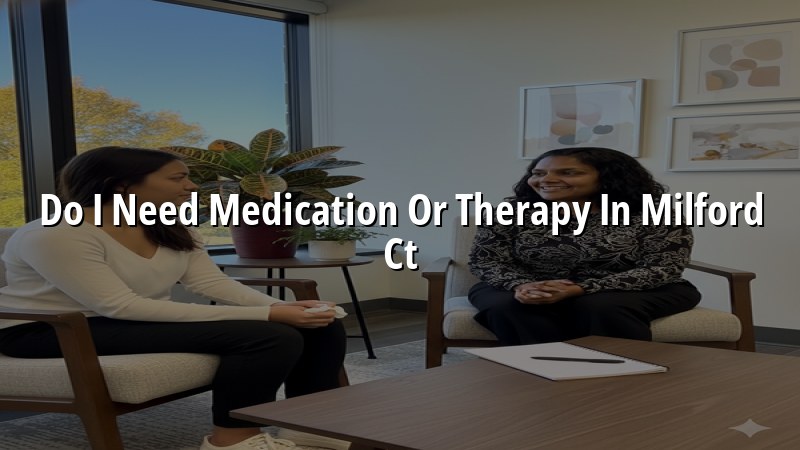
The first session is not rushed. It covers background, health history, current symptoms, and treatment goals so a careful assessment can be made. Sindhia Shyras, APRN then explains the options that make sense, along with their benefits and possible side effects, so you can take part in the decision. That conversation is often where people stop feeling stuck and start seeing a next step.
Questions people in Milford ask before they book
A lot of people hesitate because they think they should already know the answer before reaching out. You don’t. That’s exactly what an evaluation is for. If you’re unsure about coverage or self-pay, that belongs on the insurance page, since benefits vary by plan and we verify coverage individually. If you want the care process explained in more detail, our frequently asked questions page covers common concerns about medication management, confidentiality, and follow-up visits.
How Elite Health LLC Can Help
We help adults sort through the question of medication versus therapy with a psychiatric evaluation, medication management when appropriate, and supportive therapy woven into follow-up care. If you’re in Milford and want a thoughtful plan built around your symptoms and goals, we’re here to talk it through. The visit can be in person in Rocky Hill or by telehealth anywhere in Connecticut.
Call 860-515-8689, email info@ctelitehealth.com, or visit us at 2049 Silas Deane Hwy, Ste 209, Rocky Hill, CT 06067.
Frequently Asked Questions
If you’re still weighing the choice between medication and therapy, that’s normal. The point is not to guess right on your own; it’s to have a clinician look at the full picture and help you decide what belongs in the plan.
Serving Milford, CT and all of Connecticut via telehealth.
Call 860-515-8689, book online below, or send us a message.
Book an Appointment