Do I Need Medication or Therapy in Hartford CT
Do I Need Medication or Therapy in Hartford CT
Do I need medication or therapy in Hartford CT is a question we hear from adults who feel stuck, worn down, or unsure where to start. Some people are dealing with constant worry, low mood, poor sleep, racing thoughts, concentration problems or a mix of all of it, and they want a clear next step instead of guessing. This page explains how that decision is made, what the first visit looks like, and how to think about medication, therapy, or both in a practical way.
At Elite Health LLC, Sindhia Shyras, APRN, starts with a psychiatric evaluation and a real conversation about your history, symptoms and goals. We see adults 18 and older in Rocky Hill and by telehealth across Connecticut, so if you live or work in Hartford, West Hartford, Wethersfield or nearby, you can still get care without trying to sort everything out alone. The plan is collaborative, private and based on what makes sense for you.
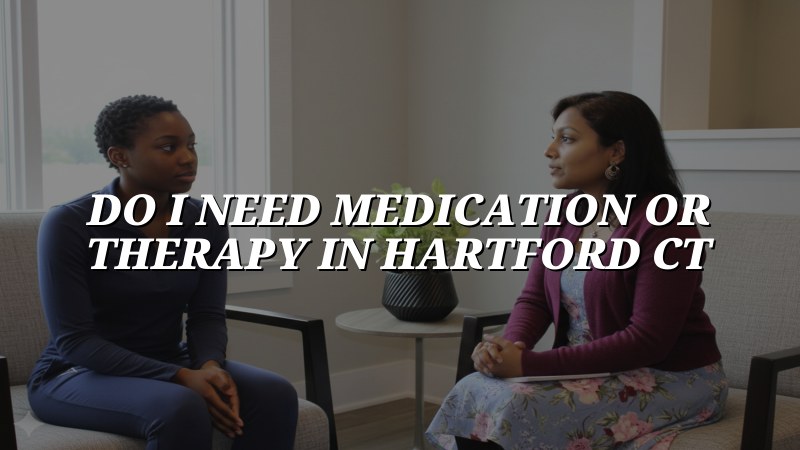
What that question really means in day-to-day life
People usually ask this because the problem is affecting more than one part of life. Maybe sleep is off, work feels harder than it should, or you’ve started avoiding things that used to feel routine. In our office, we don’t try to force every concern into a single bucket. Medication can help with symptom control for some people. Therapy can help with coping, patterns, stress and behavior. Sometimes the better question is not which one sounds stronger, but which one matches the problem you’re actually dealing with right now.
How it shows up before anyone names a treatment
The signs are often ordinary at first. You might be spending extra time trying to calm yourself down, pushing through fatigue, or rereading the same email because your focus keeps slipping. Some adults come in after months of telling themselves they just need to try harder. Others already know they want support, but they’re unsure whether that support should be talk-based care, medication management, or both. Hartford residents often tell us the hardest part is that the symptoms don’t stay in one lane; they spill into sleep, mood, concentration and relationships.
What treatment actually involves here
We start with background, health history, current stressors and what you want to change. From there, Sindhia talks through options in plain language, including possible benefits and possible side effects when medication is part of the plan. Supportive therapy may be woven into follow-up visits, especially when coping skills, sleep, routines or stress management need steady attention. If you’re comparing choices and trying to decide do I need medication or therapy in Hartford CT, the real answer usually comes from this first assessment rather than from a generic checklist.
- Medication is usually discussed when symptoms are getting in the way of work, rest, focus or daily functioning.
- Therapy can be a strong fit when you want help with coping skills, communication, patterns of thinking or stress habits.
- A combined approach is often considered when symptoms are layered or when one approach alone has not been enough.
- Telehealth is available statewide in Connecticut, which helps Hartford-area adults keep visits consistent without extra travel.
How the decision gets made at the first visit
Most people want a straight answer, but this is usually a step-by-step process. We look at the full picture first, then talk through the options in a way that makes sense for your symptoms, your preferences and your comfort level. The first visit is not about pushing one route. It’s about understanding what’s going on well enough to choose a sensible starting point.
- Share the full story. We ask about current symptoms, health history, past treatment and what you’ve already tried. That context matters more than any single label.
- Sort out the main problem. Some concerns lean toward medication support, some lean toward therapy skills, and some need both because the symptoms affect several parts of life.
- Review options in plain language. If medication is appropriate, we discuss how it works in general terms, what follow-up looks like and what side effects to watch for. If therapy is the better first step, we talk through what structured follow-up can address.
- Set one clear next step. The goal is to leave with a plan you understand, not a pile of vague suggestions. That may mean medication, therapy, both, or a referral if another service is a better fit.
Medication, therapy, or both: a simple comparison
| Option | What it focuses on | Common reason it is chosen |
|---|---|---|
| Medication management | Symptom reduction and careful monitoring over time | When symptoms are persistent, intense or affecting daily function |
| Supportive therapy | Coping skills, patterns of thinking and stress response | When you want help talking through problems and building structure |
| Combined care | Both symptoms and the day-to-day habits around them | When one approach alone does not cover the full picture |
| Telehealth psychiatry | Visits by secure video for adults in Connecticut | When you need consistent follow-up and live outside Rocky Hill |
Why Hartford adults often choose a psychiatric evaluation first
A psychiatric evaluation gives structure to a decision that can otherwise feel messy. Instead of trying to guess based on internet advice, you sit down with someone who can sort through symptoms, stress, medical history and treatment goals together. That matters for adults in Hartford because the city is close enough to Rocky Hill for in-person care, but telehealth can be even easier when you’re balancing work, family or a crowded schedule. The first visit is also where questions about medication, therapy style, follow-up timing and confidentiality get addressed clearly. If insurance questions are part of the picture, our insurance and payment information page is the right place to start.
What follow-up visits usually look like
Follow-up is where the plan gets shaped with real feedback. We check mood, sleep, concentration, stress and any changes you’ve noticed since the last visit. If medication is part of care, we monitor how you’re tolerating it and whether adjustments need to be discussed. If therapy is part of the plan, visits may include supportive counseling and practical coping work. People often appreciate that follow-up is not just a quick check-in; it’s where the plan becomes more personal and easier to live with. If you want more detail about appointments, our appointment information page explains how to request a visit.
How Elite Health LLC Can Help
If you’re still wondering do I need medication or therapy in Hartford CT, we can help you sort that out with a psychiatric evaluation, medication management when clinically appropriate, and supportive therapy that fits the way you live. Sindhia Shyras, APRN, takes a patient-centered approach and explains each option so you can make an informed decision. We see adults 18 and older in person in Rocky Hill and by telehealth across Connecticut, and we’re currently accepting new patients.
Call 860-515-8689, email info@ctelitehealth.com, or visit us at 2049 Silas Deane Hwy, Ste 209, Rocky Hill, CT 06067.
Frequently Asked Questions
If you’ve been trying to decide between medication and therapy, you don’t have to settle that question on your own. A careful psychiatric evaluation can turn a vague worry into a clear starting point, and that’s usually where the conversation gets easier.
Serving Hartford, Rocky Hill and all of Connecticut via telehealth.
Call 860-515-8689, book online below, or send us a message.
Book an Appointment