Do I Need Medication or Therapy in Norwalk CT
Do I Need Medication or Therapy in Norwalk CT
Do I need medication or therapy in Norwalk CT is usually the real question people are asking when stress, low mood, panic, poor sleep or constant worry start getting in the way of work and home life. You may be trying to figure out what kind of help makes sense, how a first visit works, and whether you need one approach or a mix of both. This page gives you a plain answer on how adult psychiatric care is decided, what the first appointment covers, and how to think about next steps without guessing.
At Elite Health LLC, Sindhia Shyras, APRN works with adults in Rocky Hill and by telehealth across Connecticut, including people in Norwalk who want a thoughtful evaluation before starting treatment. We look at your symptoms, health history, goals and past treatment experience, then talk through medication, supportive therapy or a combination in a way that fits you. The goal is simple: help you understand your options so you can make a clear, informed decision.
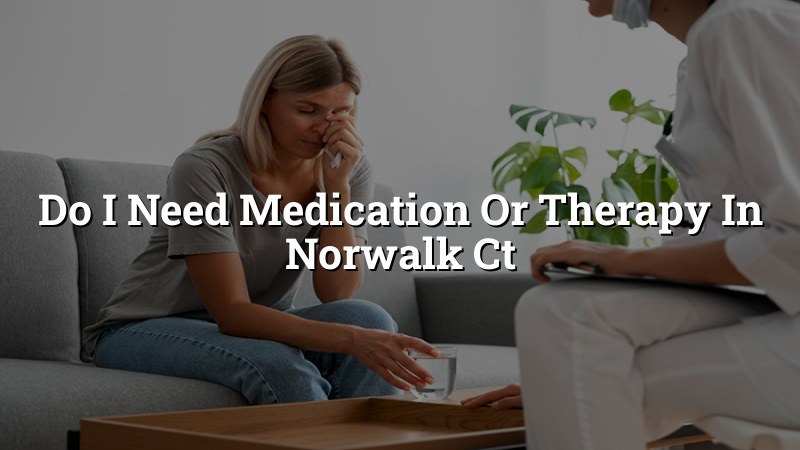
What medication and therapy each do in adult psychiatry
When people ask do I need medication or therapy in Norwalk CT, they usually want to know which option addresses the problem sitting in front of them. Medication can be part of care when symptoms are affecting sleep, concentration, mood, panic or day-to-day functioning, and it may be used to reduce symptom intensity while other work is happening. Therapy gives you space to talk through patterns, coping skills, stressors and routines. In real practice, those two paths are often discussed together because they serve different purposes. One is not automatically better than the other. It depends on what you’re dealing with, what you’ve tried before and how much support you need right now.
How it can show up day to day
A person might be sleeping poorly, losing focus at work, feeling tense all the time, or noticing that small problems hit harder than they used to. Someone else may feel numb, withdrawn, or stuck in the same anxious loop every night. Those are the kinds of concerns that make an adult psychiatric evaluation worth booking. You do not need to decide in advance whether medication or therapy is the answer. That decision is usually clearer after we hear your history, how long the symptoms have been around and what matters most to you.
What treatment planning usually looks like here
Sindhia Shyras, APRN starts with a conversation, not a shortcut. We talk about current symptoms, medical history, past medications if any, substance use if relevant, sleep, stress and your treatment goals. From there, we explain what medication management could involve, what supportive therapy could look like, and where each option fits. If you live in Norwalk, telehealth can make that first conversation easier to start, while in-person visits remain available at our Rocky Hill office for adults who prefer to come in. If insurance questions come up, the details belong on our insurance and payment information page.
- Medication may be discussed when symptoms are persistent, severe, or making daily life harder to manage.
- Therapy may be the better fit when you want structured support for coping skills, routines, stress and thought patterns.
- A combined plan is common when both symptom control and day-to-day skill building matter.
- Your own preferences matter, because treatment works best when you understand the plan and can take part in it.
What the first evaluation usually looks like
If you’re unsure where to start, the first visit is where the pieces get sorted out. We use that appointment to understand what you’re feeling, how long it’s been going on and what you’ve already tried. People often like having a clear sequence, so here’s the basic flow for adult care at Elite Health LLC.
- Share your main concern. You tell us what brought you in, what has changed recently and what you want help with most.
- Review your history. We go over mental health history, medical history, sleep, stress, prior treatment and current symptoms so the picture is accurate.
- Talk through options. Medication, therapy, or both are explained in plain language, including common side effects and what follow-up would look like.
- Make a plan. You and the clinician agree on next steps, which may include medication management, supportive therapy, referral coordination or monitoring over time.
- Check progress at follow-up. Later visits look at mood, sleep, concentration, stress and how you’re handling the plan in real life.
Medication, therapy, or both: a practical comparison
| Option | What it focuses on | Typical reason it may be discussed |
|---|---|---|
| Medication management | Symptom reduction and careful monitoring | Symptoms are persistent or interfering with daily function |
| Supportive therapy | Coping skills, patterns and stress management | You want structured counselling as part of care |
| Combined treatment | Both symptom support and behaviour change work | More than one area needs attention at the same time |
| Evaluation first | History, goals and symptoms are reviewed | You’re not sure which direction makes sense yet |
Why a clear evaluation matters before choosing a path
It’s easy to guess wrong when you’re stressed. Some adults assume they need medication right away, while others hope therapy alone will fix everything quickly. In practice, the answer depends on the pattern we see after taking a careful history. A person with panic, poor sleep and a long stretch of daily functioning problems may need a different plan from someone whose main issue is an adjustment to a recent stressor. That is why we start with the evaluation and not with a label. We want to understand what is driving the symptoms, what support you already have, and what a realistic first step looks like for you in Norwalk or anywhere else in Connecticut.
Things worth bringing up at the visit
A few details can make the appointment more useful: what time of day symptoms hit hardest, whether sleep is changing, what happened with any past medications, and whether therapy has helped before. You should also mention practical limits, like schedule constraints, trouble with video visits, or worries about side effects. If you want help preparing, our appointment information page explains how visits are requested and what to expect before you meet with us.
How Elite Health LLC Can Help
We offer psychiatric evaluation, medication management, telehealth psychiatry and supportive therapy for adults 18 and older. If you’re trying to decide do I need medication or therapy in Norwalk CT, we can walk through the choice with you instead of leaving you to sort it out alone. Call us to start the conversation, ask about the next available visit, or send a note through the contact options below.
Call 860-515-8689, email info@ctelitehealth.com, or visit us at 2049 Silas Deane Hwy, Ste 209, Rocky Hill, CT 06067.
Frequently Asked Questions
If you’ve been stuck trying to decide between medication and therapy, you don’t need to sort it out by guesswork. A careful adult psychiatric evaluation can make the choice much clearer and give you a plan that fits your life, not just a label on paper.
Serving Norwalk, CT and all of Connecticut via telehealth.
Call 860-515-8689, book online below, or send us a message.
Book an Appointment