Depression Treatment in Stamford, CT
Depression Treatment in Stamford, CT — When You're Succeeding on Paper but Struggling Inside
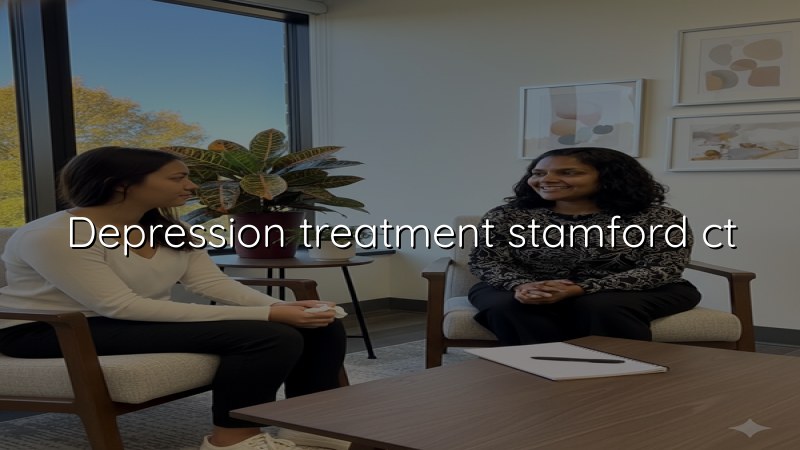
Stamford is one of Connecticut's most driven cities — finance, law, corporate headquarters, long commutes, longer hours. And if you live here, you probably know the type of depression that goes completely unnoticed: the kind wearing a pressed suit. You're making your meetings, answering your emails, keeping up appearances. But something inside has been flat for months. Maybe longer. You've lost interest in things you used to care about — weekends, people, goals. You're tired all the time and sleep doesn't fix it. You're going through the motions while quietly wondering if this is just what adult life feels like.
It's not. And you don't have to keep performing your way through it. Sindhia Shyras, APRN is a board-certified Psychiatric Nurse Practitioner with nine years of clinical experience who treats depression in Stamford adults through telehealth across Connecticut and in person at 2049 Silas Deane Hwy, Suite 209, Rocky Hill. She's seen this pattern before — high-functioning depression in high-output people — and she knows how to treat it. You can speak Malayalam, Tamil, or Telugu with her as well, if that's more comfortable.
High-Functioning Depression Is Still Depression
One of the most common things people say when they come in for a depression evaluation is some version of: "But I'm still functioning — I can't really be that depressed, right?" Wrong. High-functioning depression — sometimes called dysthymia or persistent depressive disorder — can last for years. You're showing up, but you're running on fumes. The bar for what counts as a "good day" has quietly dropped. Things that used to feel rewarding now just feel like obligations you're checking off. That erosion is real, and it compounds over time. Getting an evaluation doesn't require hitting rock bottom first.
What the Evaluation and Treatment Process Looks Like
Your first appointment is a thorough psychiatric evaluation — not a quick screener. Sindhia goes through your symptoms in detail, your history, what's contributed, and what else might be going on alongside the depression (anxiety and depression co-occur frequently). From there, you'll discuss treatment options. Medication is often recommended — SSRIs and SNRIs are commonly used, and bupropion (Wellbutrin) is particularly worth knowing about if energy and motivation are your main concerns. It works differently than SSRIs and many Stamford professionals find it fits their daily life better. Adjustments happen over follow-up visits, which can all be done via telehealth so there's no disrupting your calendar.
Seasonal Depression in CT Winters
Connecticut winters are real — dark by 4:30 PM, gray for weeks at a stretch. Seasonal affective disorder (SAD) is a form of depression that follows that pattern: mood drops in late fall, lifts in spring. But even if your depression is seasonal, it still deserves treatment. A few months of feeling genuinely awful every year adds up. And sometimes seasonal depression tips into something that doesn't fully lift when the weather improves — which is when getting a proper evaluation becomes even more important.
Why Telehealth Works Especially Well Here
Stamford is a busy place — and the commute to a Rocky Hill office isn't going to work for everyone. Elite Health's telehealth option means your psychiatric appointments happen from your home or office, on a schedule that accommodates your workday. For people dealing with depression — where getting out the door can feel disproportionately hard — removing that friction matters. Telehealth visits are available for all of Connecticut, covered by most major insurance plans accepted at the practice.
Frequently Asked Questions
Serving Stamford, CT and all of Connecticut via telehealth.
Call 860-515-8689 or book online below.
Book an Appointment