Depression Treatment in Hamden, CT
Depression Treatment in Hamden, CT — Getting to the Root of What's Been Wrong
Hamden is a town where people don't make a big deal of things — you deal with it, you move on, you keep going. And that's usually a strength. But when it comes to depression, that same tendency to push through can turn a treatable condition into years of low-grade suffering that nobody gets around to addressing. You manage. You function. But something's been off, and you've been hoping it would sort itself out. Sometimes it does. More often, without treatment, it just becomes part of the background noise.
Sindhia Shyras, APRN is a board-certified Psychiatric Nurse Practitioner with nine years of clinical experience. She sees Hamden patients via telehealth across Connecticut and in person at 2049 Silas Deane Hwy, Suite 209, Rocky Hill — close enough that driving in is easy if you prefer. Telehealth is available for those who'd rather not make the trip.
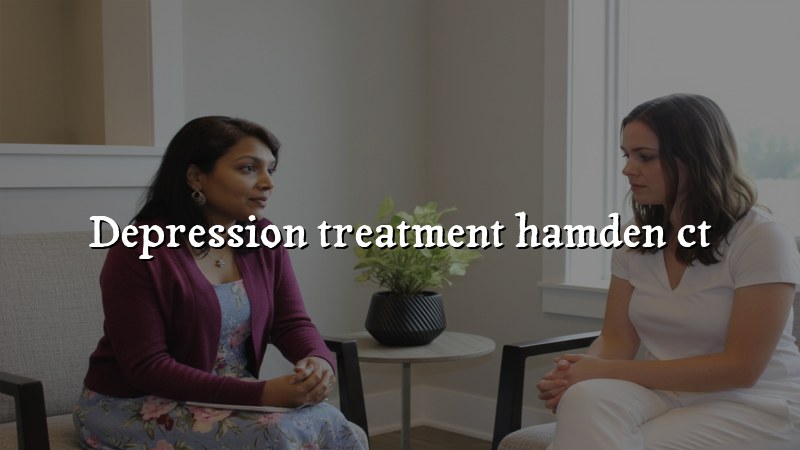
Types of Depression — Why the Distinction Matters
Major depressive disorder, persistent depressive disorder (dysthymia), and seasonal affective disorder all fall under the depression umbrella — but they're different enough that treatment approach can vary. Major depression tends to come in episodes: significant, disabling stretches where functioning drops substantially. Dysthymia is subtler — a lower-grade but longer-lasting flatness that's easy to rationalize as just your personality. Seasonal depression in Connecticut tracks with winter: mood drops reliably when the days get short, usually lifting in spring. All of them respond to treatment. Getting the type right helps Sindhia build a plan that actually fits.
How Medication Works — And Why It Sometimes Takes Adjustment
Antidepressant medication is effective for most people — but finding the right one isn't always immediate. SSRIs like Zoloft and Lexapro are typically the starting point. If those don't produce enough improvement, SNRIs like Effexor or Cymbalta work on a slightly different mechanism. Bupropion (Wellbutrin) is worth knowing about: it works differently from SSRIs and SNRIs, tends to be activating rather than sedating, and is often preferred by people where fatigue and motivation are the main issues. Mirtazapine is used when sleep and appetite are badly affected. The adjustment process — if needed — is normal, not a sign that medication won't help you. It just means the first option wasn't the right fit. Sindhia adjusts quickly and keeps follow-ups close together during this phase.
Insurance and Self-Pay Options
Elite Health accepts Aetna, Cigna, Husky Health, Medicaid, United Healthcare, Anthem, and ConnectiCare. Self-pay is also available for those who prefer not to use insurance. For Hamden residents on Husky Health or Medicaid — coverage for outpatient psychiatric services is typically strong, and telehealth visits are generally included. If you're not sure what your plan covers, call your insurer before booking and ask about mental health outpatient benefits and telehealth coverage specifically.
Frequently Asked Questions
Serving Hamden, CT and all of Connecticut via telehealth.
Call 860-515-8689 or book online below.
Book an Appointment