Treatment for Depression in Middletown CT
Treatment for Depression in Middletown CT for Adults Who Need Clear Next Steps
Treatment for depression in Middletown CT starts with a plain question: what has changed in your day-to-day life, and what kind of help would actually fit it? For many adults, depression shows up as low energy, sleep changes, trouble concentrating, or feeling flat even when nothing obvious is wrong. Some people keep pushing through work, family, and errands for months before they call. Others know something is off right away. Either way, the goal here is to help you understand your options and what the first visit is really for.
At Elite Health LLC, care is provided by Sindhia Shyras, APRN, a board-certified Psychiatric Nurse Practitioner with more than nine years of clinical experience. We see adults 18 and older from Middletown and across Connecticut, with in-person visits in Rocky Hill and secure telehealth for people who prefer to meet from home. Our approach is collaborative, confidential, and grounded in evidence-based psychiatric care. If you want to compare visit types or ask about coverage before you book, our appointment page and insurance information are good places to start.
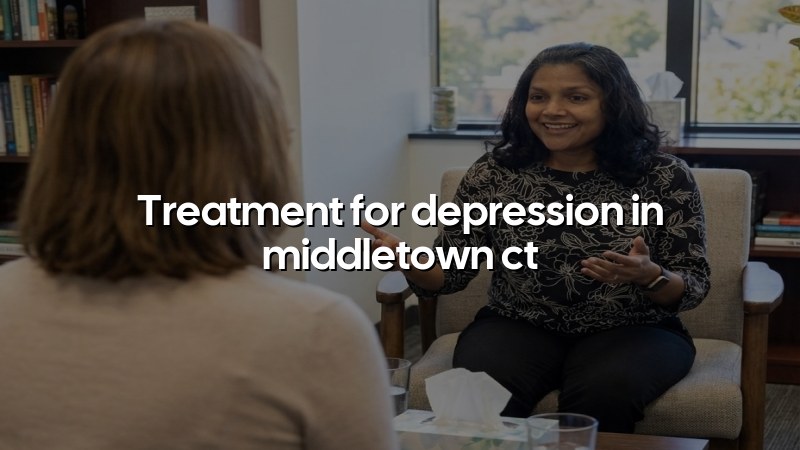
What depression care usually looks like at the start
People often expect the first step to be a quick label. That is not how careful psychiatric care works. The first visit is meant to understand your symptoms in context: how long they have been present, what your sleep and appetite look like, whether stress, grief, anxiety, or another mood condition is part of the picture, and how your daily functioning has changed. We also talk about health history, past treatment, and what you want to be different. From there, the plan may include medication, supportive therapy, or both, depending on what makes sense clinically. Treatment is not one-size-fits-all, and the plan should match your goals, your comfort level, and your response over time.
Signs that bring people in from Middletown and nearby towns
Some patients describe feeling tired all the time. Others say they are irritable, tearful, or just going through the motions. A common pattern is that simple tasks start taking far more effort than they used to. We also hear about concentration problems, missed deadlines, and sleep that is either too much or too little. Middletown residents often tell us the hardest part is that the outside world cannot always see it. You may still be working, driving on Route 9, or keeping up appearances while your mood feels drained underneath.
How treatment decisions are made in real life
We talk through options in a way that makes room for questions. Some adults want to understand medication first. Others prefer to talk through supportive therapy and coping strategies before deciding. Many choose a combination. When medication is part of care, we monitor closely and review benefits, side effects, mood, sleep, and concentration at follow-up visits. The pace is guided by your response, not by a script. If transportation is hard, telehealth can make it easier to keep appointments without losing continuity.
- A first psychiatric visit should leave you with a clearer diagnosis question, not more confusion.
- Supportive therapy can be built into follow-up visits, especially when stress and routines are part of the picture.
- Medication management is monitored over time, with changes made only after a clinician reviews how you are doing.
- Telehealth is available statewide for Connecticut adults, which helps if getting to Rocky Hill is difficult during the workweek.
- If you are comparing practices, ask how they handle privacy, follow-up timing, and coverage verification before the first appointment.
The first few visits and how the process unfolds
Many people want to know what actually happens after they request an appointment. The process is straightforward, but each step matters. We use the first visit to build a real picture of your symptoms and your history, then we keep checking in on what changes and what stays the same. That gives us room to adjust thoughtfully instead of guessing.
- Share your history. We ask about your current symptoms, past treatment, medical background, sleep, stress, and anything else that may affect mood. This is the part that helps us avoid missing an important piece.
- Review treatment options. We explain the possible roles of medication, supportive therapy, or a combined plan. You can ask direct questions about side effects, visit frequency, and what follow-up usually looks like.
- Start the agreed plan. If medication is appropriate, we prescribe carefully and review monitoring expectations. If therapy support is the better fit at that moment, we build that into the plan.
- Track progress at follow-up. Follow-up visits focus on mood, sleep, energy, concentration, stress, and how daily life is going. Adjustments happen based on what you report and what we observe together.
Common care paths for adult depression treatment
| Care Path | What It Includes | When It May Fit |
|---|---|---|
| Psychiatric evaluation | History, symptom review, diagnostic assessment, and treatment planning | When you need a clearer picture of what is going on before deciding next steps |
| Medication management | Evidence-based prescribing with monitoring and follow-up | When medication may help and you want a clinician to oversee the process |
| Supportive therapy | Structured counselling and cognitive behavioural techniques during visits | When you want practical coping support alongside psychiatric care |
| Telehealth psychiatry | Secure video visits for Connecticut adults | When travel to Rocky Hill is inconvenient or you prefer care from home |
Why Middletown adults often choose telehealth first
Middletown sits south of Hartford County’s central corridor, and depending on traffic, getting to Rocky Hill can feel simple one day and annoying the next. Some people are fine with an in-person visit on Silas Deane Highway. Others prefer to start by video because it saves time and removes one barrier on a day when motivation is already low. Our telehealth visits are available anywhere in Connecticut, which is especially helpful if you are balancing work, family responsibilities, or a tight schedule. In-person care remains available at our Rocky Hill office for adults who want that setting. The choice can be made based on what helps you keep the appointment.
What to ask before you book
If you are comparing places for depression care, ask who provides the visit, how follow-up works, and whether the practice sees only adults. At Elite Health LLC, all care is provided by Sindhia Shyras, APRN, and we treat patients 18 and older only. If insurance is part of the conversation, the details belong on our insurance page, because coverage depends on the individual plan. If you want to know what the first appointment feels like, our frequently asked questions page can help before you call.
How Elite Health LLC Can Help
If you are looking for treatment for depression in Middletown CT, we can start with a psychiatric evaluation and build from there. Depending on your needs, that may include medication management, supportive therapy, or a telehealth follow-up plan that keeps care moving without extra travel. We keep the process private, practical, and centered on what matters to you. If you are ready to talk, we’re here.
Call 860-515-8689, email info@ctelitehealth.com, or visit us at 2049 Silas Deane Hwy, Ste 209, Rocky Hill, CT 06067.
Frequently Asked Questions
Getting help for depression does not have to mean sorting through it alone. If you live in Middletown or anywhere in Connecticut, we can help you take the next step with care that is private, practical, and built around a real conversation. Reach out when you are ready.
Serving Middletown, CT and all of Connecticut via telehealth.
Call 860-515-8689, book online below, or send us a message.
Book an Appointment