Treatment for Depression in Meriden CT
Treatment for Depression in Meriden CT for Adults Who Need Care That Fits Real Life
Treatment for depression in Meriden CT is about getting clear answers and a plan that fits your day, not adding one more thing to juggle. If you\'ve been feeling flat, tired, tearful, irritable, or just not like yourself, you may be trying to keep work, home, and sleep moving while everything feels harder than it should. Many people also notice changes in concentration, appetite, motivation, or enjoyment. This page explains what adult depression care can look like, how an evaluation works, and how to decide whether in-person visits in Rocky Hill or telehealth across Connecticut make more sense for you.
At Elite Health LLC, care is provided by Sindhia Shyras, APRN, a board-certified Psychiatric Nurse Practitioner with years of experience in evidence-based psychiatry and psychopharmacology. We see adults 18 and older, including young adults, working adults, and seniors, and we keep the process private, respectful, and judgment-free. If you live in Meriden and want help from a Connecticut psychiatric practice, we can talk through your history, your goals, and the options that may be appropriate. You can also start with our appointment information or review insurance and payment details before you book.
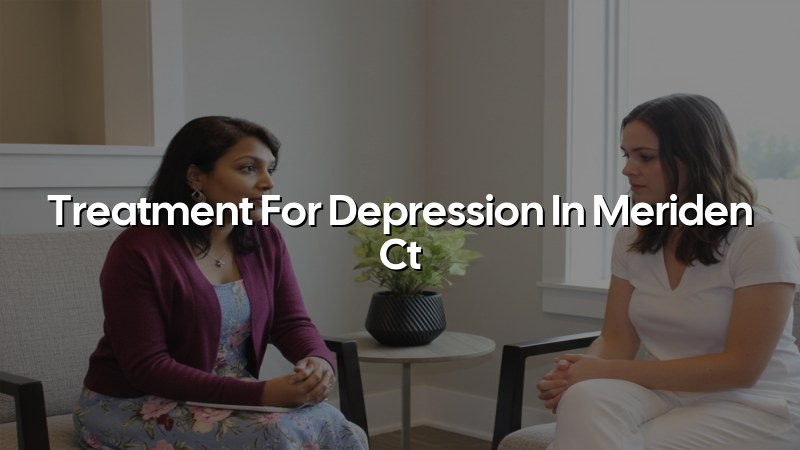
What depression can feel like day to day
Depression is not just having a bad day or feeling sad after something hard happens. In adult care, we often hear about low mood that hangs around, loss of interest in things that used to matter, trouble sleeping, sleeping too much, low energy, and a mind that feels stuck in slow motion. Some people stay busy so nobody notices. Others cancel plans, miss work, or stop answering messages because even simple tasks take too much effort. A first visit helps sort out what you\'re dealing with, what has changed, and whether depression is the main issue or part of something broader, such as anxiety, trauma, insomnia, or a mood disorder.
The signs people usually notice first
A lot of adults in Meriden tell us they notice the physical side before they name it as depression. They\'re exhausted but can\'t rest well. They lose focus while reading, driving, or trying to get through a work shift. Food starts to taste different. Small setbacks feel heavier than they used to. Some people feel more withdrawn or more on edge, which is why depression can get mistaken for stress alone. The pattern matters, and that is what we pay attention to during psychiatric evaluation.
What treatment is meant to do
Good treatment for depression is not one-size-fits-all. For one person, medication management may be part of the plan. For another, supportive therapy and structured follow-up may be the better starting point. Often it\'s a combination. Our job is to explain the choices in plain language so you can take part in the decision. We look at symptoms, health history, current stress, sleep, and past treatment responses, then build care around the pattern you actually have.
- A first appointment should leave you with a clearer picture of what may be going on and what the next step is.
- Follow-up visits usually check mood, sleep, concentration, side effects, and how daily tasks are going.
- Telehealth psychiatry is available statewide for Connecticut residents who want care from home.
- Supportive therapy and practical coping skills are often woven into medication follow-up when that fits the plan.
How the first appointment usually works
People often worry they need to have the right words ready. You don\'t. The first visit is a conversation about what has been happening, what has changed, and what you want help with. We ask about your health history, sleep, stress, medications, and past mental health care so we can make a careful assessment. If treatment seems appropriate, we talk through the options, the possible side effects, and how follow-up works. If telehealth is a better fit, we can do that for residents anywhere in Connecticut. If you live near Rocky Hill, you can also come to the office at 2049 Silas Deane Hwy, Ste 209.
- Share what you\'ve been noticing. Start with the changes that matter most to you, even if they seem small. Trouble getting out of bed, losing interest, or feeling numb are all worth bringing up.
- Go over your history. We ask about medical issues, current medications, prior therapy, and any past psychiatric treatment so we can see the whole picture.
- Review the options. If treatment is appropriate, we explain medication, therapy, or a combination in straightforward terms so you can make an informed choice.
- Plan the follow-up. We set expectations for check-ins and talk about what we want to watch, such as sleep, mood, focus, stress, and side effects.
- Adjust as needed. Depression care usually needs a few touchpoints. We use follow-up visits to see what\'s helping and what needs to change.
Treatment options and what they tend to help with
| Care option | What it involves | When it may fit |
|---|---|---|
| Psychiatric evaluation | A detailed assessment of symptoms, health history, stressors, and treatment goals. | When you need a clear diagnosis and a starting plan. |
| Medication management | Evidence-based prescribing with monitoring, dose adjustment, and follow-up when appropriate. | When symptoms are persistent enough that medication may be part of care. |
| Supportive therapy | Structured counseling and cognitive behavioural techniques built into visits. | When you want practical coping support alongside psychiatric care. |
| Telehealth psychiatry | Secure video visits for adults anywhere in Connecticut. | When travel is hard or you prefer to meet from home. |
Meriden access, Rocky Hill office visits, and telehealth across Connecticut
Meriden is in New Haven County, and Rocky Hill sits in Hartford County along the Silas Deane Highway corridor between Hartford and Middletown. If you can reach the office comfortably, in-person visits are available at 2049 Silas Deane Hwy, Ste 209, Rocky Hill, CT 06067. If getting across town, taking time off work, or arranging transportation is a barrier, telehealth is often the easier route for Connecticut residents. We work with adults who want a Connecticut-only psychiatric practice that can keep care private and consistent without making the process feel complicated. Most people appreciate having both options, since depression can make logistics feel bigger than they are.
A few practical things to keep in mind
If you are comparing care options, ask about the parts that matter in real life: how follow-ups happen, what kind of appointment structure to expect, and whether telehealth is available if your schedule changes. You can also check our frequently asked questions for common questions about medication management, privacy, and visits. For people who are thinking about costs or benefits, the right place for that conversation is the insurance page, since coverage varies by plan and self-pay options are explained there.
What follow-up care usually focuses on
Depression treatment usually doesn\'t end after the first visit. Follow-up gives us a chance to see whether your symptoms are changing, whether sleep is shifting, and whether anything in your daily routine is getting easier or harder. We also look at concentration, appetite, stress, and side effects if medication is part of the plan. That kind of visit often includes supportive counseling, because many adults want help handling the day-to-day load while the treatment plan is taking shape. Some weeks are better than others. That\'s normal, and it gives us useful information.
Signs that a follow-up visit matters
If you feel no change, feel more bothered by side effects, or notice new stress piling up, it helps to bring that up early rather than waiting. Adults in Meriden often tell us they keep quiet because they don\'t want to be a bother. You won\'t be one. Follow-up is where care gets adjusted, and the details you share help us make better decisions with you.
How Elite Health LLC Can Help
We provide adult psychiatric evaluation, medication management, telehealth psychiatry, and supportive therapy for people looking for treatment for depression in Meriden CT and anywhere else in Connecticut. Sindhia Shyras, APRN takes a collaborative approach, so you can ask questions and talk honestly about what has and hasn\'t worked before. If you\'re ready to start, reach out and we\'ll help you take the next step.
Call 860-515-8689, email info@ctelitehealth.com, or visit us at 2049 Silas Deane Hwy, Ste 209, Rocky Hill, CT 06067.
Frequently Asked Questions
If depression has been taking up too much space in your life, you do not have to sort it out alone. We can talk through what\'s happening, what care might fit, and whether office visits or telehealth make more sense for your situation.
Serving Meriden, Rocky Hill, and all of Connecticut via telehealth.
Call 860-515-8689, book online below, or send us a message.
Book an Appointment