Sleep Medication Psychiatrist in Middletown CT
Sleep Medication Psychiatrist in Middletown CT
Searching for a sleep medication psychiatrist in Middletown CT usually means nights have started to spill into the day. You may be lying awake for hours, waking too early, or feeling foggy and short-tempered by morning. This page explains how adult sleep treatment is evaluated, what medication management can involve, and when telehealth or an in-person visit in Rocky Hill makes sense.
At Elite Health LLC, care is provided by Sindhia Shyras, APRN, a board-certified Psychiatric Nurse Practitioner with years of experience in evidence-based psychiatric practice. We see adults 18 and older, and we work with patients across Connecticut, including people in Middlesex County who want a Connecticut-licensed clinician to review sleep concerns carefully and talk through next steps without pressure.
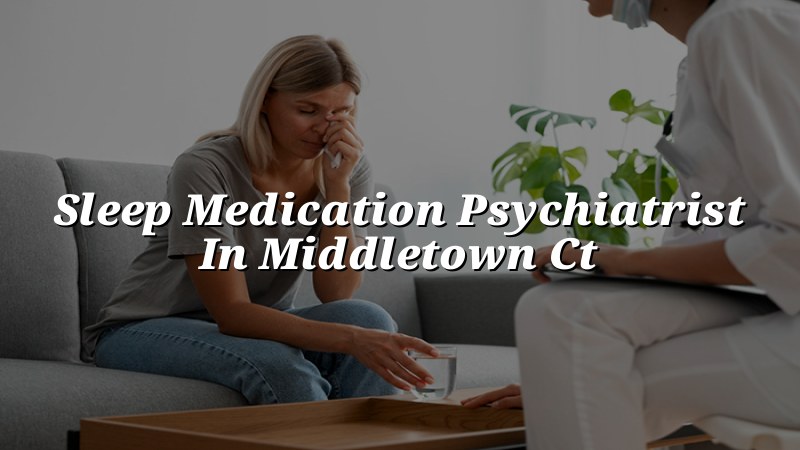
What sleep medication evaluation really looks like
A sleep medication psychiatrist in Middletown CT is not just handing out a prescription. The first step is a psychiatric evaluation that looks at sleep patterns, stress, mood, concentration, medical history, current medications and the kind of sleep problem you’re having. Trouble falling asleep, staying asleep, waking at odd hours and sleeping too little can all point in different directions. In our office, we slow that down and ask practical questions, because the right plan depends on the pattern, not just the complaint.
Why sleep problems and mental health often overlap
People usually call us because they have already tried the basics and still feel stuck. Poor sleep can show up with anxiety, depression, PTSD, bipolar disorder, panic symptoms or long stretches of stress. It can also be affected by shift work, grief, caffeine, pain, or another medicine. We do not guess. We look at the full picture, then talk about whether supportive therapy, medication management, or a combination is the right place to start.
What treatment can include
For many adults, the discussion includes sleep hygiene, stress management, and careful consideration of medication options when clinically appropriate. Medication choices are never one-size-fits-all. Some people may need a short-term approach, while others benefit from ongoing follow-up to monitor how sleep, mood, attention and daytime function are changing over time. That follow-up matters just as much as the first visit.
- Sleep problems are often tied to anxiety or depression, so the cause and the symptom may need to be treated together.
- A full psychiatric evaluation helps sort out whether medication is appropriate, or whether therapy and routine changes should come first.
- Follow-up visits usually focus on sleep quality, morning grogginess, mood, concentration and stress, not just whether you slept at all.
- Adults in Connecticut can choose telehealth if getting to Rocky Hill from Middletown is inconvenient.
How the first visits usually go
Most people want to know what happens after they book. The process is pretty straightforward, but it is still personal. We use the first appointment to understand what sleep has looked like over time, what you have already tried, and what goals matter most to you. If medication is considered, we explain the possible benefits and side effects in plain language so you can make an informed decision with the clinician.
- Start with the history. We talk through your sleep schedule, medical background, current prescriptions, alcohol or caffeine use, and the stressors that may be affecting rest.
- Review the pattern. Falling asleep, staying asleep and waking early can mean different things, so we pay attention to timing, frequency and what happens the next day.
- Talk through options. If treatment fits, we explain medication management, supportive therapy or a combination approach, then discuss what monitoring would look like.
- Set follow-up. The next visit checks symptoms, sleep, mood, concentration and side effects so the plan can be adjusted thoughtfully.
Common choices and what they are used for
| Sleep concern | What we look at | Common clinical approach |
|---|---|---|
| Trouble falling asleep | Racing thoughts, anxiety, late caffeine use, bedtime habits | Evaluation, sleep routine changes, and medication review when appropriate |
| Frequent waking | Stress, mood symptoms, medication timing, nighttime rumination | Medication management, supportive therapy, and follow-up monitoring |
| Waking too early | Depression symptoms, stress load, early morning pattern | Psychiatric assessment and treatment planning based on the cause |
| Daytime fatigue | Sleep length, quality, sleep timing, daytime functioning | Review of sleep quality and medication effects over time |
Getting care from Middletown without overcomplicating it
Middletown is close enough to Rocky Hill that some people prefer to come in person, especially for an initial visit. Others want telehealth because it saves the drive and still gives them a Connecticut-based psychiatric visit. We offer both. The office is at 2049 Silas Deane Hwy, Ste 209, Rocky Hill, CT 06067, which is easy to reach from the Silas Deane corridor and the Hartford side of the river. If you live in Middlesex County and want a clinician who works with adults only, that flexibility can make it easier to start and keep up with follow-up care.
Things that help a visit go smoothly
A little preparation goes a long way. Bring a list of your medications, recent changes in sleep, and any questions you want answered. If you have already tried a sleep schedule, note what happened. If cost or coverage is on your mind, our insurance page has the right place to start, and our frequently asked questions page covers some common follow-up questions too.
Why follow-up matters with sleep medication management
Sleep treatment is usually a series of conversations, not a one-time decision. After the first visit, follow-up helps us see whether sleep is changing, whether side effects are showing up, and whether mood or stress is part of what is keeping you up. That is also where supportive therapy often gets woven in. Some visits are mostly medication check-ins, while others spend more time on coping skills, bedtime habits and symptom tracking.
People are often relieved to hear that the plan can be adjusted based on response. We do not rush that process. If a medication is being considered, the goal is to use the lowest level of intervention that makes sense for the clinical picture, then keep watching what happens next. For some adults, that means a short course of treatment. For others, it means a steadier long-term plan with regular review.
How Elite Health LLC Can Help
If you are looking for a sleep medication psychiatrist in Middletown CT, we can start with a psychiatric evaluation and talk through medication management, supportive therapy and telehealth psychiatry in a way that fits your schedule. Sindhia Shyras, APRN works with adults across Connecticut, and our approach is patient-centred, confidential and judgment-free. If you’re ready to take the next step, reach out and we’ll help you get started.
Call 860-515-8689, email info@ctelitehealth.com, or visit us at 2049 Silas Deane Hwy, Ste 209, Rocky Hill, CT 06067.
Frequently Asked Questions
Sleep problems can wear you down fast, especially when they keep repeating week after week. If you want a Connecticut-based clinician who will look at the full picture and talk through real options, Elite Health LLC is ready to help.
Serving Middletown, Rocky Hill and all of Connecticut via telehealth.
Call 860-515-8689, book online below, or send us a message.
Book an Appointment