Sleep Medication Psychiatrist in Fairfield CT
Sleep Medication Psychiatrist in Fairfield CT
If you’re searching for a sleep medication psychiatrist in Fairfield CT, you may be dealing with nights that feel too long and mornings that start already drained. Trouble falling asleep, waking up at 3 a.m., or lying there with a busy mind can wear down your mood, focus, and patience fast. This page explains how psychiatric care can help adults sort through sleep problems, what the first visit is like, and when medication may be one part of the plan.
At Elite Health LLC, care is provided by Sindhia Shyras, APRN, a board-certified Psychiatric Nurse Practitioner with years of experience in evidence-based psychiatric practice. We see adults 18 and older, including Fairfield residents who prefer telehealth and people who can come to our Rocky Hill office. The goal is straightforward: understand what is getting in the way of rest and build a careful plan around your history, goals, and symptoms.
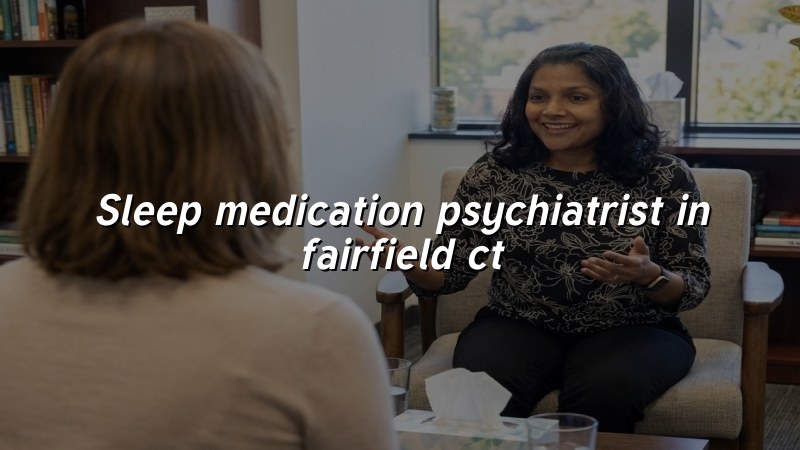
What sleep problems often mean in psychiatric care
Sleep issues rarely show up by themselves. They may sit alongside anxiety, depression, PTSD, bipolar disorder, ADHD, panic symptoms, or a stretched-out stress response that keeps the body on alert after the lights go out. Some people fall asleep fine and wake too early. Others feel exhausted but can’t quiet their thoughts. In a psychiatric visit, we look at timing, patterns, medications, caffeine, alcohol, work schedule, and the way mood and sleep affect each other. That matters because the problem is not always “just insomnia,” and the right next step depends on the full picture, not one symptom.
What patients usually notice first
Most adults who contact us are tired of guessing. They’ll say their sleep changed after a stressful season, that they wake with a racing mind, or that they’re relying on a patchwork of over-the-counter products without much consistency. Others notice the daytime fallout first: brain fog, irritability, more mistakes at work, or feeling emotionally thin. Those details help us understand whether the pattern looks more like trouble with sleep onset, sleep maintenance, circadian disruption, or sleep loss tied to a psychiatric condition that also needs treatment.
How sleep medication fits into the conversation
Sleep medication is not the whole answer for everyone, and it is never the first assumption. In psychiatric care, medication may be considered after we review your history, current symptoms, and the possible reasons sleep is off track. We talk through the options in plain language, including benefits and possible side effects, so you can make an informed choice with the clinician. Sometimes medication is used short term. Sometimes it is part of a broader plan that also includes supportive therapy, habit changes, and follow-up visits that track sleep, mood, concentration, and stress.
- A psychiatric evaluation helps sort out whether insomnia is standing alone or showing up with another condition.
- Medication management includes careful follow-up, so the plan can change if sleep patterns or side effects change.
- Telehealth psychiatry can be a practical option for Fairfield residents who want care from home anywhere in Connecticut.
- Supportive therapy may be woven into visits to help you handle stress, racing thoughts, and bedtime routines.
What the first visit looks like
The first appointment is where we slow things down. We ask about your sleep pattern, medical history, current medications, mental health history, and what you want to be different. If you’ve already tried something that didn’t help, that matters too. The point is not to rush into a prescription. It’s to make an accurate assessment and talk through reasonable options. For some adults, the best next step is medication discussion. For others, the visit helps uncover a mood or anxiety issue that needs its own attention. Either way, you leave with a clearer plan than you came in with.
- Start with the sleep story. We ask when the problem began, whether you have trouble falling asleep, staying asleep, or waking too early, and what your nights look like on a typical week.
- Review the whole picture. We go over mood, stress, medical history, current prescriptions, supplements, caffeine, and anything else that could be affecting rest.
- Talk through treatment options. If medication is clinically appropriate, we explain the general approach, possible side effects, and what follow-up would look like.
- Set a follow-up rhythm. We track how sleep, concentration, mood, and daytime energy are changing so the plan can be adjusted carefully.
Comparing common care paths for sleep concerns
| Care path | Best fit | What happens in visits |
|---|---|---|
| Psychiatric evaluation | Sleep trouble with unclear causes | We review history, symptoms, and treatment goals before deciding on next steps. |
| Medication management | Adults who may benefit from a medication discussion | We prescribe only when appropriate and monitor response and side effects over time. |
| Supportive therapy | Sleep problems tied to stress, anxiety, or racing thoughts | We use structured, evidence-based counselling during follow-up visits. |
| Telehealth psychiatry | Fairfield residents who want remote care anywhere in Connecticut | Visits happen by secure video, with the same clinical review and follow-up process. |
Fairfield patients often ask about access and follow-up
Fairfield is close enough to Rocky Hill by Connecticut standards, but not everyone wants to make the drive for every appointment. That is where telehealth helps. Adults anywhere in Connecticut can meet with us by secure video, while people who prefer an in-person visit can come to 2049 Silas Deane Hwy, Ste 209, Rocky Hill, CT 06067. Office hours are Monday through Friday, 9:00 am to 5:00 pm. If you are checking on coverage or self-pay, the right place to start is our insurance and payment information page, since benefits vary by individual plan and we verify coverage before treatment moves ahead.
A few practical points before you book
Bring a current medication list, even if some items are over the counter. If you’ve used melatonin, antihistamines, or other sleep aids, tell us what happened. Be ready to talk about how many nights per week the problem shows up and whether it changes on weekends. Those details help us make the visit useful instead of generic. If you have questions about the appointment process itself, our appointment information page explains what to expect when you request a visit.
How we approach sleep medication safely
When sleep medication is part of care, we treat it as one tool, not a shortcut. We review what you’ve already tried, look for signs that another condition is contributing, and talk about how the plan fits your day-to-day life. Follow-up matters because sleep can change as stress changes, mood shifts, or other medications are added. At each visit, we check in about sleep length, sleep quality, next-day grogginess, concentration, and whether bedtime is still a struggle. That steady review helps keep care grounded in what’s actually happening, not what we hoped would happen.
For some adults, the most useful change is a calmer bedtime routine paired with medication management. For others, the key is figuring out that anxiety or depression has been driving the sleep problem all along. Either way, the treatment plan should make sense to you, and it should be built with your input.
How Elite Health LLC Can Help
Elite Health LLC offers adult psychiatric evaluation, medication management, telehealth psychiatry, and supportive therapy for people who want a careful look at sleep problems and the mental health concerns that can sit behind them. Sindhia Shyras, APRN, works with patients 18 and older in a confidential, judgment-free setting and takes time to explain options clearly. If you’re looking for a sleep medication psychiatrist in Fairfield CT, we’re ready to talk through the next step.
Call 860-515-8689, email info@ctelitehealth.com, or visit us at 2049 Silas Deane Hwy, Ste 209, Rocky Hill, CT 06067.
Frequently Asked Questions
If sleep has been stealing too much from your day, you do not have to keep guessing alone. A careful psychiatric visit can sort through the moving pieces and show whether medication, therapy, or a combination is the right next step. We’re here to help you make that decision with clear information.
Serving Fairfield, CT and all of Connecticut via telehealth.
Call 860-515-8689, book online below, or send us a message.
Book an Appointment