Psychiatric Evaluation in Newington, CT
What a Psychiatric Evaluation Actually Involves — No Mystery, No Surprises
A psychiatric evaluation isn't a test you pass or fail. It's not a judgment call on your character, your choices, or how well you've been holding things together. It's a conversation — a thorough one. Sindhia Shyras, APRN will ask about your symptoms, how long you've had them, what makes them better or worse, your sleep, your history, your family history, what medications you've taken before, and how things are going at home and at work. It takes about 60 minutes. At the end, you'll have a clearer picture of what's going on and a plan for what to do next. For Newington residents who've been putting this off because they weren't sure what it involved, here's what you can actually expect — start to finish.
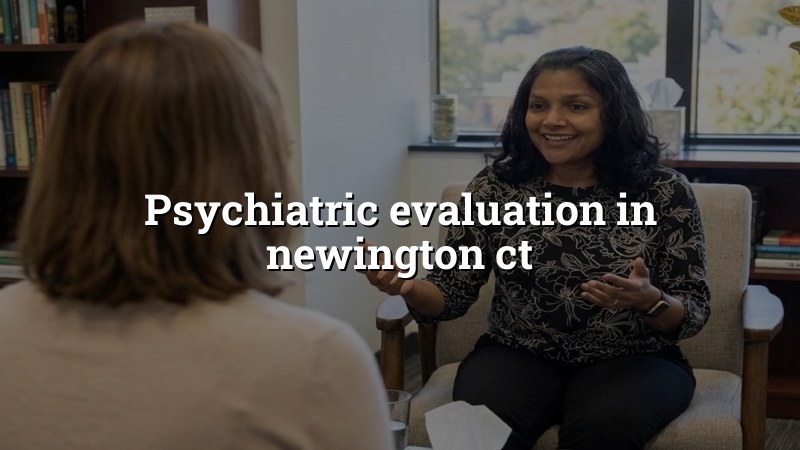
The Evaluation Is a Conversation, Not an Exam
Sindhia asks a lot of questions — but she's not reading from a list and she's not filling in boxes. She's listening for patterns, for things that connect, for context that changes what a symptom means. She might ask about your childhood not to psychoanalyze you but because family history and early experiences sometimes explain why something is showing up now the way it is. There's no trick question. Honest, direct answers — even when it's uncomfortable — give her the clearest possible picture. You don't have to perform wellness or downplay how bad things have been.
What Gets Covered in the Evaluation
You can expect Sindhia to ask about: what brought you in today — the specific symptoms, when they started, and how they affect your daily life. She'll ask about sleep, appetite, energy, concentration, and mood. She'll ask about anxiety, worry, fears, and any experiences of panic. She'll ask about your history — any previous mental health diagnoses, hospitalizations, medications you've tried. She'll ask about your family — not to be nosy, but because conditions like depression, anxiety, bipolar disorder, and ADHD do run in families. And she'll ask about substance use, not to judge but because it matters clinically.
What Happens at the End of the Evaluation
You won't leave the first visit with a prescription in hand and no explanation. Sindhia will tell you what she's seeing — her clinical impression, the diagnosis or working diagnosis, and what she thinks the next step is. That might be medication management, supportive therapy, both, or occasionally a referral if she thinks something else needs to be ruled out first. You'll also leave with a follow-up appointment scheduled. The evaluation is the beginning of an ongoing relationship, not a one-and-done transaction.
Frequently Asked Questions
Serving Newington, CT and all of Connecticut via telehealth.
Call 860-515-8689 or book online below.
Book an Appointment