Insomnia Treatment in West Haven, CT
Insomnia Psychiatrist in West Haven, CT — When ZzzQuil and Benadryl Stop Working
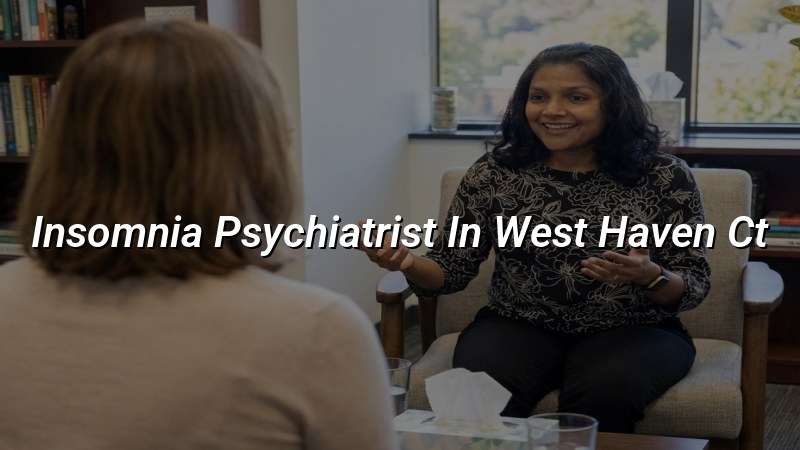
You found something that helped at first — maybe it was an over-the-counter antihistamine, maybe melatonin, maybe one of those combination sleep aids from the pharmacy shelf. It worked for a few nights. Maybe even a few weeks. And then it stopped. Not gradually — you just noticed one night that you'd taken it and still couldn't fall asleep, or you woke up at 2am anyway, or you slept but felt groggy and foggy in a way that was almost worse than the insomnia. That's tolerance. It builds faster with OTC sleep aids than most people realize. And once you're on the other side of it, you're left without a solution and sometimes with a dependency problem on top of the original sleep problem. If this is where you are — West Haven residents especially, between the University of New Haven students and the working families along the shoreline — there's a better path. Sindhia Shyras, APRN is a board-certified Psychiatric Nurse Practitioner with over nine years of experience treating chronic insomnia with evidence-based approaches that actually hold up over time.
Why OTC Sleep Aids Stop Working — and Why That's Predictable
Most over-the-counter sleep aids work by blocking histamine receptors — the same mechanism as allergy medications. Your body is remarkably quick at adapting to this. After just a few nights of use, the sedating effect weakens significantly. Melatonin has a slightly different mechanism but its own limitations: it works best for circadian rhythm issues like jet lag, not for the hyperaroused brain that chronic insomnia produces. Neither of these was designed for long-term, chronic sleep disruption. They're band-aids. And once you've built tolerance, you're often stuck somewhere between "the old dose doesn't work" and "more of it makes the morning grogginess unbearable." It's not a personal failure — it's just not the right tool for the problem you actually have.
What Actually Works for Chronic Insomnia
Two things have strong evidence behind them: cognitive behavioral therapy for insomnia (CBT-I) and carefully selected prescription medication. CBT-I isn't generic therapy — it's a structured approach that targets the specific thought patterns and habits that perpetuate insomnia. It works for most people and the results tend to last. Prescription medication is different from what you've been buying at CVS — medications like trazodone, mirtazapine, or hydroxyzine work through different mechanisms and, when managed properly by a psychiatrist, don't carry the same tolerance and rebound problems. Sindhia decides what fits your situation based on your history, not a one-size-fits-all answer.
Seeing Sindhia From West Haven
Telehealth is available to any Connecticut resident — you don't need to leave West Haven to get this handled. Sindhia does secure video appointments and her first session is a real psychiatric evaluation, not a five-minute intake. She accepts Aetna, Cigna, Husky Health, Medicaid, United Healthcare, Anthem, ConnectiCare, and self-pay. If you'd rather come in person, our Rocky Hill office at 2049 Silas Deane Hwy, Ste 209 is about thirty-five minutes up I-95 and I-91. Call 860-515-8689 or book online.
Frequently Asked Questions
Serving West Haven, CT and all of Connecticut via telehealth.
Call 860-515-8689 or book online below.
Book an Appointment