Insomnia Treatment in Greenwich, CT
Insomnia Psychiatrist in Greenwich, CT — When Your Schedule Is the Problem
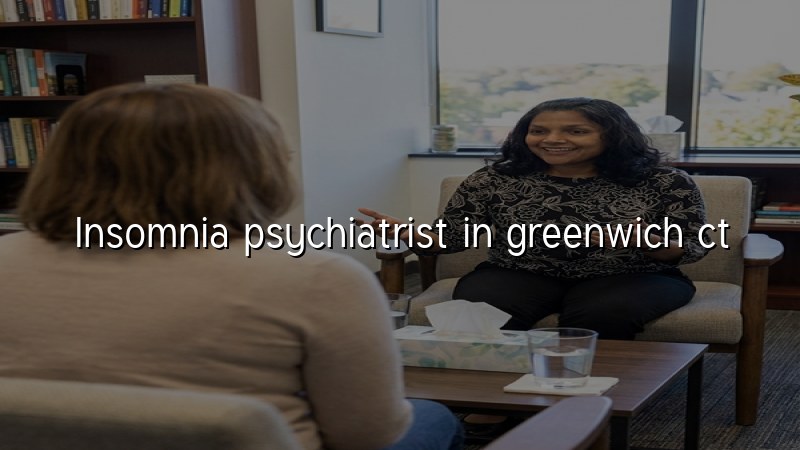
Greenwich runs on ambition — hedge funds, corporate commutes into the city, finance careers that blur the line between the workday and everything else. A lot of people here are used to pushing hard, treating sleep as the variable they can compress when they need more hours. But your body has its own schedule — a circadian rhythm that doesn't care how important tomorrow's call is. When your sleep window keeps shifting, when you're flying across time zones, when your mind is still running boardroom calculations at midnight, that rhythm breaks down. And once it does, getting it back on track isn't as simple as going to bed earlier. Sindhia Shyras, APRN is a board-certified Psychiatric Nurse Practitioner with over nine years of experience — she sees Greenwich residents by telehealth from anywhere in Connecticut and can help you figure out what's actually disrupting your sleep and how to fix it.
What Circadian Disruption Actually Does to You
Your circadian rhythm is your body's internal 24-hour clock. It regulates when you feel alert, when you feel sleepy, when your body temperature dips, when cortisol rises. When that clock is consistently pushed or pulled — by late nights, early morning calls, cross-timezone travel, or irregular schedules — the whole system gets out of sync. You feel wired at midnight and foggy at 10am. You can't fall asleep when you finally have the chance, or you fall asleep but wake up not rested. Over time, this kind of disruption accumulates — affecting your mood, your cognitive performance, your immune function, and your cardiovascular health. It's not just tiredness. It's a physiological problem that needs a real solution.
Why "Better Sleep Habits" Isn't Enough
You've probably read the articles. Wind down before bed, no screens after 9pm, keep a consistent schedule. That advice is fine for someone with mild, occasional sleep disruption. But if your schedule genuinely can't be consistent — because of your job, your travel, or the demands of your life — standard sleep hygiene advice doesn't reach the problem. You need someone who understands the neuroscience of circadian rhythm and can work with you on the actual mechanics: light exposure timing, strategic use of medication where appropriate, behavioral approaches that account for the real constraints of your life. That's what Sindhia does.
Getting Started From Greenwich
Telehealth is ideal for Greenwich residents — you don't have to add a drive to Rocky Hill to an already over-scheduled week. Sindhia sees patients by secure video from anywhere in Connecticut. Your first appointment is a full psychiatric evaluation — a real conversation, not a questionnaire. She accepts Aetna, Cigna, United Healthcare, Anthem, ConnectiCare, and self-pay, which covers most of the major commercial plans common in Greenwich. Call 860-515-8689 or book online.
Frequently Asked Questions
Serving Greenwich, CT and all of Connecticut via telehealth.
Call 860-515-8689 or book online below.
Book an Appointment