Depression Treatment in Ansonia, CT
Depression Treatment in Ansonia, CT — Reaching Out Is the Hard Part
Ansonia has always been a community that takes care of its own. There's a resilience here — people who've seen the Naugatuck Valley change over decades and kept going anyway. But resilience isn't the same as not needing help. And depression is a medical condition, not a personal failure. It doesn't mean you haven't tried hard enough. It means something in your brain chemistry needs support that lifestyle changes alone often can't provide. A lot of Ansonia residents have gone too long without that support, not because they didn't want it, but because access has been complicated. Elite Health LLC is trying to close that gap — through telehealth available anywhere in Connecticut and in-person visits at our Rocky Hill office. Sindhia Shyras, APRN, board-certified, nine years doing this work, is ready to see you.
What Depression Actually Does to People
Depression hits about one in five adults at some point. In Ansonia, that's a lot of people. And it doesn't show up the same way every time. Sometimes it's sadness. Sometimes it's numbness — things that used to matter just don't anymore. Sometimes it's exhaustion that doesn't make sense, or brain fog that makes it hard to concentrate at work, or a creeping withdrawal from the people around you. None of those are character flaws. They're symptoms. And symptoms respond to treatment. The longer depression goes unaddressed, the more it tends to affect other parts of life — relationships, work, physical health, sense of self. That's a good reason to not wait.
What Sindhia Does Differently
Sindhia — board-certified, nine years in psychiatric nursing — takes time to understand how depression is affecting your specific daily life. She's not just counting symptoms off a list. She's asking about your job, your relationships, your sleep, your history, what you've tried before. She also looks for what else might be sitting alongside the depression — anxiety, ADHD, trauma — because those things change what the right treatment looks like. Ansonia patients who've had care elsewhere and felt like a number tend to notice the difference quickly here.
How Your Care Plan Gets Built
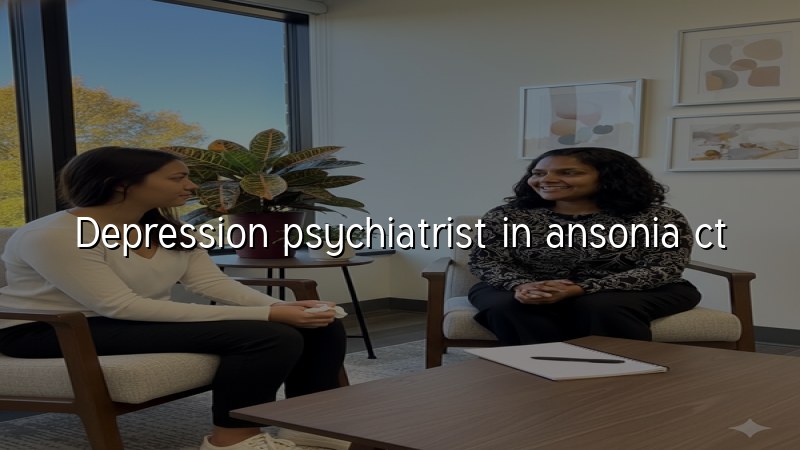
The first appointment is about sixty minutes. Sindhia goes through everything — symptoms, history, family background, goals. From that she builds a real individualized plan: possibly medication, possibly supportive therapy woven into your follow-ups, often both. Follow-up visits are paced around your progress — close together early when things are being calibrated, then less frequent as you find your footing. Side effects get addressed immediately. And if something changes between visits, you reach out and she responds — you're not left managing something complicated on your own.
Frequently Asked Questions
Serving Ansonia, CT and all of Connecticut via telehealth.
Call 860-515-8689 or book online below.
Book an Appointment