Therapy for Depression and Stress in Hartford CT
Therapy for Depression and Stress in Hartford CT
Therapy for depression and stress in Hartford CT can help when the days feel heavy, your sleep is off, and even simple tasks start to take too much energy. People usually come to us because they’re tired of holding everything together at work, at home, or both. They want a place where they can talk honestly, sort through what’s happening, and get a clear plan for what comes next.
At Elite Health LLC, care is provided by Sindhia Shyras, APRN, a board-certified Psychiatric Nurse Practitioner with more than nine years of experience. We work with adults in Rocky Hill and by telehealth throughout Connecticut, so someone in Hartford can start care without adding a long commute to an already full week. The first visit is about understanding your history, your goals, and what’s been weighing on you lately.
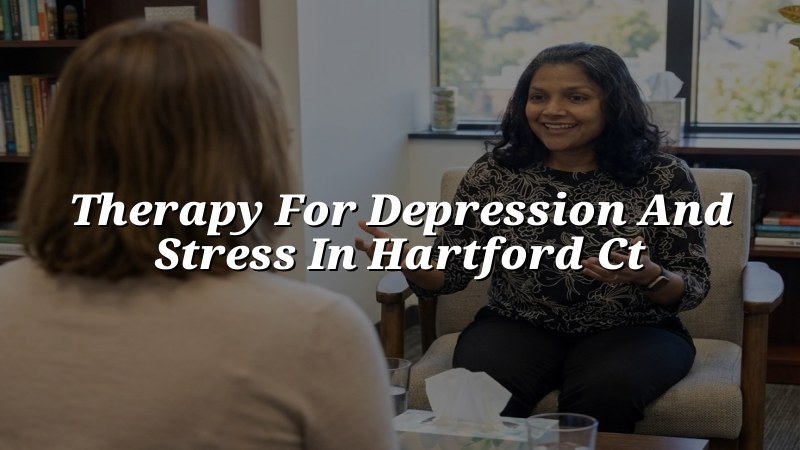
What depression and stress can look like day to day
Depression and stress do not always show up the same way. Some people feel low, flat, or numb. Others are still getting through the day, but with constant tension, irritability, headaches, trouble focusing, or a sense that they are always behind. In Hartford, we hear a lot from adults who keep functioning at work but are exhausted once they get home. That gap between “I’m managing” and “I’m not okay” is often what brings someone to therapy. The goal is to look at the full picture, not just one symptom in isolation.
Signs people often notice first
The first thing people mention is usually not a diagnosis. It’s poor sleep, less patience, more crying, trouble getting started in the morning, or a short fuse that feels out of character. Stress can also show up in the body, with muscle tightness, stomach upset, or that wired-but-tired feeling at night. Depression may bring less interest in things you used to care about, slower thinking, or a sense that everything takes extra effort. Those patterns matter because they help shape the treatment plan we build together.
What therapy actually involves here
For many adults, therapy is not a separate, abstract thing. It is part of the follow-up visit, where we talk through sleep, mood, concentration, work stress, relationships, and what’s changed since the last appointment. We often use supportive therapy and cognitive behavioural techniques to help you notice patterns, respond differently to stress, and build practical coping skills. If medication is clinically appropriate, that can be discussed too. If not, we still focus on care that makes sense for your situation and your comfort level.
- You can talk through stressors that are hard to discuss with family, friends, or coworkers.
- Treatment can include therapy alone or therapy with medication when that fits your goals and assessment.
- Follow-up visits often review sleep, mood, appetite, concentration, and daily stressors.
- Telehealth makes it easier for Hartford residents to keep appointments without crossing town after work.
How the first few visits usually work
The first appointment is meant to slow things down a little. We gather background information, health history, current symptoms, and the goals you want help with. From there, we explain your options clearly. Some people start with supportive therapy and skills-based work. Others need medication management as part of the plan. We do not rush that decision. The point is to make sure the plan matches the person in front of us, not a template.
- Start with a detailed evaluation. We review your history, symptoms, medical background, and what has or has not helped before.
- Talk through the main stress points. You tell us what is hardest right now, whether that is work pressure, sleep loss, grief, or long-term low mood.
- Choose a care plan together. We explain therapy, medication management, or a combination, along with possible side effects when medication is part of care.
- Track what changes between visits. We look at mood, sleep, concentration, energy, and stress so the plan can be adjusted based on real progress.
Therapy, medication, or both?
There is no one correct answer for everyone. Some adults want therapy first because they want space to talk and build coping tools. Others come in already knowing they need a psychiatric evaluation because the symptoms have become harder to manage on their own. In some cases, medication management is discussed as a support for mood, sleep, anxiety, or concentration. We explain the benefits and the possible downsides in plain language so you can make an informed choice. If you have questions about coverage or payment, that belongs on our insurance and payment information page, where we keep those details organized.
| Care option | What it usually focuses on | Common reason someone asks for it |
|---|---|---|
| Supportive therapy | Talking through stress, mood, and daily coping | They want help processing what is happening week to week |
| Medication management | Reviewing symptoms, benefits, and side effects over time | They need a psychiatric evaluation and a discussion of medication options |
| Combined care | Therapy plus medication follow-up | The symptoms affect sleep, focus, and function in more than one area |
| Telehealth psychiatry | Secure video visits for adults in Connecticut | They live in Hartford or elsewhere in the state and want easier access |
Why Hartford residents often choose telehealth first
Hartford is close enough to Rocky Hill that some people prefer to come in person when they can, but telehealth takes the pressure off busy weeks. That matters when your schedule changes, your energy is low, or you simply do not want to spend your lunch break driving. We see adults from across Connecticut this way, and the care still stays personal. Telehealth is not a shortcut. It is a secure visit with the same clinician, the same questions, and the same attention to detail as an office appointment.
What makes follow-up visits useful
Follow-up care gives us a chance to notice what is shifting and what is not. Maybe sleep is better but concentration is still shaky. Maybe stress at work has eased, but mood dips in the evening. Those details help guide next steps. We may adjust the treatment plan, talk through coping strategies, or simply keep building on what is already helping. If you want common questions about visits, our frequently asked questions page is a good place to start before you book.
Simple things that help a visit go smoothly
Most people feel a little more settled when they know what to expect. You do not need a perfect summary of your life. Just come ready to talk about what has changed, what you’re worried about, and any questions you want answered. If you have been treated before, it helps to know the names of past medications and whether they were helpful or not. That gives us a clearer starting point.
- Write down the symptoms that bother you most, even if they seem small.
- Think about when the stress or low mood started and what was going on then.
- Bring a list of current medications, supplements, or recent changes in care.
- Be honest about sleep, alcohol use, work pressure, and anything that affects your day.
How Elite Health LLC Can Help
If you’re looking for therapy for depression and stress in Hartford CT, we can help you start with a psychiatric evaluation and build a plan that fits your life. Elite Health LLC offers medication management, supportive therapy, individualized care planning, and telehealth psychiatry for adults across Connecticut. We keep the process private, judgment-free, and focused on what you need right now. If you’re ready to talk, we’re here.
Call 860-515-8689, email info@ctelitehealth.com, or visit us at 2049 Silas Deane Hwy, Ste 209, Rocky Hill, CT 06067.
Frequently Asked Questions
Depression and stress can make everything feel harder than it should, especially when you’ve been carrying it alone for a while. The right care starts with a real conversation, not a rushed checklist. At Elite Health LLC, we keep that conversation practical, respectful, and centered on your goals.
Serving Hartford and all of Connecticut via telehealth.
Call 860-515-8689, book online below, or send us a message.
Book an Appointment