Stress Management Psychiatrist in New Haven CT
Stress Management Psychiatrist in New Haven CT for Adults Who Need Real Support
If you’re searching for a stress management psychiatrist in New Haven CT, you may be tired of carrying tension that spills into sleep, focus, patience, and physical energy. Stress can show up as irritability, muscle tightness, racing thoughts, or a mind that keeps replaying the same problem after work. This page explains how adult psychiatric care works, what a first visit looks like, and how you can get help through Elite Health LLC without guessing what comes next.
At Elite Health LLC, care is provided by Sindhia Shyras, APRN, a board-certified Psychiatric Nurse Practitioner with more than nine years of experience in psychiatric settings. She works with adults in Connecticut by telehealth statewide and in person at our Rocky Hill office, and she takes a patient-centred, judgment-free approach. If stress is tied to anxiety, low mood, sleep problems, or burnout, we can talk through options and build a plan that fits your life.
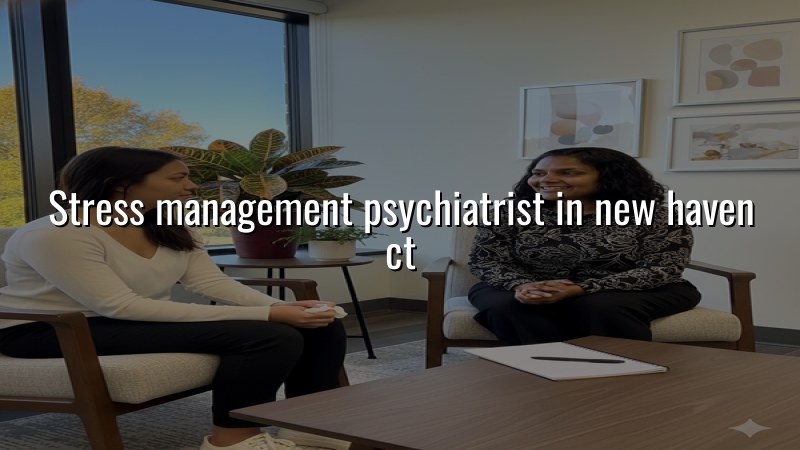
What stress looks like when it stops feeling manageable
A lot of adults think they should just push through stress until things calm down on their own. Sometimes that works for a short stretch. Other times the stress keeps building, and it starts affecting sleep, appetite, concentration, mood, and the way you respond to ordinary demands. By the time people call us, they’re often doing the basics of life on autopilot and still feeling behind. A psychiatric visit is useful when you want a clear look at what’s contributing to the strain and what kind of care may actually make sense, rather than trying to sort it out alone.
Day-to-day signs people notice first
Stress doesn’t always look dramatic. It can show up as waking up already tense, snapping at people you care about, or sitting down to work and realizing you’ve reread the same line five times. Some adults notice headaches, jaw clenching, chest tightness, or stomach upset. Others feel flat and worn out instead of anxious. In New Haven, where many people juggle long commutes, demanding schedules, and family responsibilities, stress can pile up quietly before it gets named out loud.
What treatment actually involves here
When you meet with a stress management psychiatrist in New Haven CT through our practice, the first step is an assessment. We ask about your symptoms, health history, sleep, mood, concentration, current medications, and what you want life to look like. From there, Sindhia Shyras, APRN explains options in plain language. That may include medication management when clinically appropriate, supportive therapy strategies, or both. We also talk about side effects and follow-up, because you deserve to understand the plan before you agree to it.
- Stress care should start with the source, not just the symptoms you can see on the surface.
- Sleep loss, irritability, and trouble concentrating are common reasons adults ask for psychiatric help.
- A good plan leaves room for medication, therapy tools, or a combination that matches your goals.
- Follow-up matters because stress changes over time, especially when work, health, or family demands shift.
How the first few visits usually work
People often want to know what happens after they book. The process is straightforward, and we keep it focused on your own history and what you’re dealing with now. If you prefer telehealth, that’s available anywhere in Connecticut. If you can get to Rocky Hill, we also see patients in person at 2049 Silas Deane Hwy, Ste 209, Rocky Hill, CT 06067. Either way, the goal is the same: understand what’s going on and build a plan that feels realistic.
- Start with the intake visit. We review your background, symptoms, health history, and treatment goals so the assessment is grounded in the full picture.
- Talk through the stress pattern. You’ll describe what the pressure looks like during a workday, at night, and on weekends, because those details help identify the trigger points.
- Review treatment options. Sindhia Shyras, APRN explains what medication management or supportive therapy might involve, along with common side effects and monitoring.
- Set follow-up expectations. We decide how often to check in, what to track between visits, and what changes should prompt a sooner appointment.
A quick comparison of common stress-care paths
| Care path | What it focuses on | Typical use | Follow-up |
|---|---|---|---|
| Psychiatric evaluation | Symptoms, history, and diagnosis | When you need to understand what is driving stress | Often the first visit |
| Medication management | Prescribing and monitoring | When medicine may help with stress-related symptoms | Ongoing visits as needed |
| Supportive therapy | Coping skills and structured discussion | When you want practical tools during follow-up care | Weaving into appointments |
| Telehealth psychiatry | Video visits from home | When travel to Rocky Hill is hard or you want statewide access | Scheduled like other visits |
Why New Haven residents often choose telehealth first
New Haven is close enough to Rocky Hill to reach by car, but a lot of adults still prefer telehealth because it saves time on a busy weekday. That matters if you’re balancing classes, hospital shifts, commuting, or caregiving. Telehealth lets Connecticut residents meet with us securely from home or another private space, while keeping care tied to a Connecticut-only license. If you do want to come in person, our office is on the Silas Deane Highway corridor in Rocky Hill, which sits between Hartford and Middletown and is easy to reach from central Connecticut.
What to keep in mind before your appointment
A useful visit starts when you bring real details, not a perfect summary. Think about when your stress feels worst, what improves it, and whether sleep, concentration, or mood have changed. If you already take medication, bring the names if you have them. If you’re unsure about coverage or self-pay, send those questions to insurance and payment information before your appointment. That keeps the visit focused on care instead of paperwork.
Signs the stress may need psychiatric care rather than just more rest
Everyone has stressful weeks. The reason people seek psychiatric care is usually not that stress exists at all, but that it keeps disrupting ordinary life. If you’re making mistakes you normally wouldn’t make, avoiding conversations because you feel too overwhelmed, or lying awake for hours on a regular basis, it may be time to talk with a clinician. Some people also notice stress overlapping with anxiety, depression, panic, or insomnia. Those symptoms deserve attention on their own, even if they started with a work deadline or family pressure.
Follow-up visits are part of the work
People sometimes expect the first appointment to solve everything. That’s not how good outpatient care works. We use follow-up visits to check symptoms, mood, sleep, concentration, stress load, and how any treatment is fitting into daily life. Those visits often include supportive counselling and practical coping ideas. If you’re wondering how appointments are scheduled, our appointment page explains the process, and our FAQ page covers common questions about medication management and confidentiality.
How Elite Health LLC Can Help
If stress has started to run your day, we can help you sort out what’s going on with a psychiatric evaluation and talk through treatment options that fit your situation. Our care includes medication management when appropriate, supportive therapy, and telehealth psychiatry for adults anywhere in Connecticut. You don’t have to sort through the symptoms by yourself. Start with a visit, and we’ll take it one step at a time.
Call 860-515-8689, email info@ctelitehealth.com, or visit us at 2049 Silas Deane Hwy, Ste 209, Rocky Hill, CT 06067.
Frequently Asked Questions
Stress can wear you down so slowly that you stop noticing how much effort it takes to get through a normal day. A psychiatric visit can give you a clearer read on what’s happening and what kind of support may help. Elite Health LLC offers respectful adult care, practical follow-up, and telehealth across Connecticut for people who want a steadier way forward.
Serving New Haven, Rocky Hill, and all of Connecticut via telehealth.
Call 860-515-8689, book online below, or send us a message.
Book an Appointment