Sleep Problems Psychiatrist in Fairfield CT
Sleep Problems Psychiatrist in Fairfield CT
If you’re searching for a sleep problems psychiatrist in Fairfield CT, you probably want a clear next step, not another night of staring at the ceiling. Trouble falling asleep, waking too early, or feeling worn down the next day can affect work, driving, mood, and concentration. We help adults sort out what’s happening, talk through possible psychiatric contributors, and decide what kind of care makes sense.
At Elite Health LLC, Sindhia Shyras, APRN provides adult psychiatric care for people 18 and older across Connecticut, including Fairfield residents who prefer telehealth or can travel to Rocky Hill. Your first visit starts with background, health history, sleep concerns, and treatment goals so the plan is based on the full picture. We keep the conversation direct, respectful, and focused on what you’re actually dealing with.
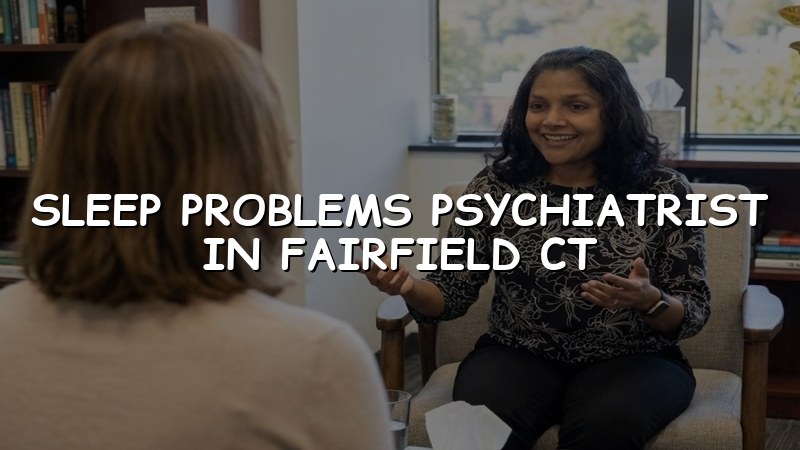
What sleep trouble can look like day to day
Sleep problems don’t always look dramatic. Some people fall asleep fine but wake at 3 a.m. and can’t settle again. Others lie in bed for an hour or two before sleep finally comes, then wake up unrefreshed. In psychiatric care, we also think about the patterns around sleep: racing thoughts at night, anxiety that gets louder when the room gets quiet, low mood that changes sleep timing, or stress that keeps the body in a “still on” state. A sleep concern may be part of depression, anxiety, PTSD, bipolar disorder, OCD, panic disorder, or insomnia, but the first step is a real evaluation, not guessing.
The small details matter more than people expect
We usually ask about the time you go to bed, how long it takes to fall asleep, whether you wake during the night, and what mornings feel like. We also ask about caffeine, shift work, stress, recent losses, medications, and how your mood has been lately. Those details help separate a sleep pattern that needs behavioral support from one that may need psychiatric treatment. Fairfield patients often tell us they’ve been “tired for months” before they think to bring it up.
Why a psychiatric visit can help
A psychiatric appointment gives you space to talk through sleep alongside mood, worry, attention, and daily functioning. Medication may be discussed when clinically appropriate, but the goal is always careful evaluation, not a quick prescription. Supportive therapy and cognitive behavioural techniques can also be part of follow-up visits. If you’ve been looking at a few common questions about sleep care and medication management, that page may help before you book.
- Sleep problems often show up as fatigue, irritability, and poor concentration long before they sound like a psychiatric complaint.
- Anxiety, depression, PTSD, and bipolar disorder can all affect sleep in different ways, so the pattern matters.
- A review of medicines, supplements, caffeine use, and work schedule is often part of the first visit.
- Telehealth is available statewide in Connecticut, which can help if getting to Rocky Hill is hard after a poor night’s sleep.
How the first appointment usually unfolds
Most people want to know what the visit is actually like. We keep it structured, but not stiff. The first appointment is where we learn the story behind the sleep problem, explain possible next steps, and decide whether medication management, supportive therapy, or both belong in the plan. You’re not expected to have perfect answers. A rough timeline is enough.
- Start with your sleep pattern. We ask how long the problem has been going on, what the nights look like, and how you feel during the day.
- Review health and mental health history. Mood symptoms, anxiety, trauma history, medical issues, and current medicines all help shape the assessment.
- Talk through options. We explain whether medication, therapy techniques, or a combination seems reasonable based on the evaluation.
- Set follow-up expectations. Later visits track sleep, mood, stress, concentration, and any side effects or changes you notice.
Sleep concerns, common patterns, and what we look at
| Pattern | What people often report | What the visit usually explores |
|---|---|---|
| Difficulty falling asleep | Racing thoughts, tension, or lying awake for a long time | Anxiety, stress load, bedtime habits, and evening routines |
| Frequent waking | Broken sleep and trouble settling back down | Mood symptoms, nightmares, medication effects, and sleep schedule |
| Early morning waking | Waking before you want to and feeling drained | Depression, circadian changes, and daily stressors |
| Non-restorative sleep | Plenty of hours in bed, still tired the next day | Sleep quality, mental health factors, and follow-up needs |
Getting care from Fairfield without making life harder
Fairfield is in Fairfield County, and many people who live there can reach Rocky Hill by traveling north on I-95 or inland connections through central Connecticut, but not everyone wants to make that drive after a rough week of sleep. That’s why telehealth matters here. We see adults across the state by secure video, and in-person visits are available at our Rocky Hill office for people who prefer face-to-face care. If you’re checking whether cost or coverage fits your situation, our insurance and payment page is the right place to start because plan details vary.
What follow-up care tends to focus on
Follow-up visits are usually shorter than the first appointment, and they’re practical. We talk about whether sleep onset is changing, whether you’re waking less often, how your mood is doing, and whether stress at work or home is making nights harder. If medication is part of the plan, we monitor response and side effects carefully. If therapy tools are the better fit, we work on them in a direct, usable way. People often like that the conversation stays anchored to real life instead of vague advice.
Things that help us build the right plan
When you come in for sleep care, a few details make the visit more useful. You do not need to track every minute, but being able to describe the problem clearly helps us move faster and make better decisions together.
- Write down when the sleep problem started, even if it was gradual.
- Note whether the issue is falling asleep, staying asleep, or waking too early.
- Bring a current list of medications, supplements, and anything you take at night.
- Think about mood, worry, nightmares, and daytime fatigue, since all of that can matter.
- Tell us whether you want telehealth or an in-person visit in Rocky Hill.
How Elite Health LLC Can Help
We help adults who are dealing with sleep concerns through psychiatric evaluation, medication management when appropriate, supportive therapy, and telehealth psychiatry for Connecticut residents. If your nights have been off for a while, we can look at the whole picture and work with you on a plan that fits your goals. Call 860-515-8689, email info@ctelitehealth.com, or visit us at 2049 Silas Deane Hwy, Ste 209, Rocky Hill, CT 06067.
Frequently Asked Questions
If your sleep has been off for weeks or months, you don’t have to sort it out alone. A careful psychiatric evaluation can help connect the dots between sleep, stress, and mood, and that gives us something real to work with.
Serving Fairfield, CT and all of Connecticut via telehealth.
Call 860-515-8689, book online below, or send us a message.
Book an Appointment