Signs You Need a Psychiatrist in Greenwich CT
Signs You Need a Psychiatrist in Greenwich CT
If you’re searching for signs you need a psychiatrist in Greenwich CT, you may already feel stuck, worn down, or unsure what kind of help makes sense next. That’s a common place to start. This page explains the warning signs adults notice in real life, what a psychiatric visit involves, and how to decide whether it’s time to book an evaluation. You’ll also see how care can work through in-person visits in Rocky Hill or telehealth anywhere in Connecticut.
At Elite Health LLC, Sindhia Shyras, APRN, provides adult psychiatric care with a calm, judgment-free approach. We take time to understand your symptoms, health history, goals, and what’s been getting in the way of daily life. If you live in Greenwich, your care can start by video visit, which saves the drive across Fairfield County and still gives you direct access to evidence-based psychiatric treatment.
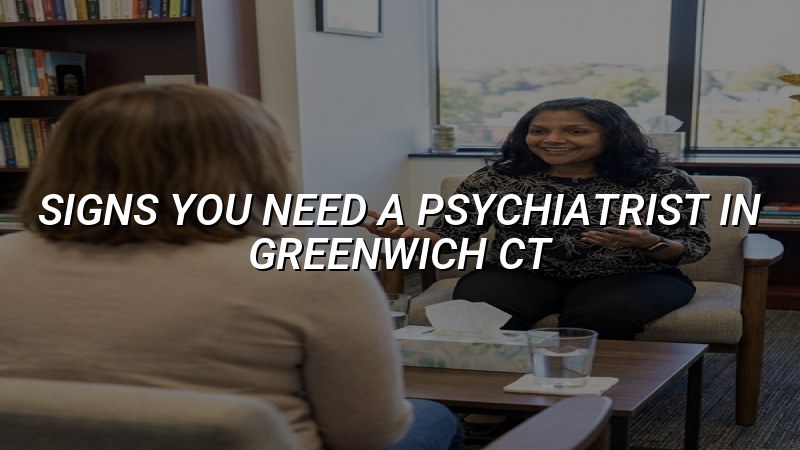
What those warning signs usually look like
Most people do not wake up one day and think, “I need psychiatry.” They notice a pattern. Maybe sleep has been off for weeks, worry is starting to run the day, or your mood feels flat enough that work, errands, and conversations take more effort than they should. Sometimes the sign is not dramatic. It’s the slow slide into skipping meals, withdrawing from people, or needing extra alcohol or nicotine just to get through the evening. A psychiatrist looks at the whole picture, not just one symptom, and helps sort out whether medication, therapy, or both make sense after a proper assessment.
Daily life starts to narrow
One of the clearest signals is when your world gets smaller. You may keep going to work or handling family duties, but only by pushing through every day with far more effort than before. People in this situation often say they’re doing the minimum, not because they want to, but because they can’t seem to get traction. In a psychiatric evaluation, we look at sleep, energy, concentration, appetite, mood, stress, and how long the change has been going on. That helps us distinguish a short rough patch from something that deserves formal treatment.
You keep trying the same fixes
A lot of adults try over-the-counter sleep aids, extra caffeine, a new routine, or more exercise first. Those steps are reasonable. If the problem keeps coming back, keeps getting worse, or starts affecting relationships and work, that’s a strong reason to get a psychiatric opinion. A psychiatrist can review what you’ve already tried and explain what other options exist, without forcing you into one path. If insurance questions are part of the decision, send those to our insurance and payment information page so you don’t have to guess.
- Sleep keeps breaking down, even when your schedule stays the same.
- Your mood, worry, or irritability is affecting work, home life, or friendships.
- You’ve stopped enjoying things that used to feel normal.
- Concentration, memory, or follow-through has become noticeably harder.
- You want a careful review of whether medication could be part of care.
How to think about a psychiatric evaluation
A psychiatric evaluation is not a quick label. It’s a structured conversation that helps a clinician understand what’s happening and what may be driving it. At Elite Health LLC, the first session usually covers symptoms, health history, current stressors, sleep, past treatment, and what you hope changes over time. We use that information to build a care plan that fits your goals and your comfort level. Some people need medication management. Others benefit from supportive therapy and follow-up monitoring. Many need a combination, adjusted over time as we learn how they respond.
- Start with the symptom pattern. Notice how long the changes have been present and whether they affect work, relationships, sleep, or concentration.
- Book an evaluation. You can request an appointment online or call our office to get started with an adult psychiatric visit.
- Go through your history. Expect questions about medical issues, current medicines, past treatment, and the situations that make things better or worse.
- Review the options. We talk through medication, therapy, or both, along with common side effects and what follow-up would look like.
- Track progress over time. Follow-up visits focus on mood, sleep, stress, concentration, and any changes that matter to you.
A quick comparison of common reasons adults reach out
People often wait because they are trying to decide whether the problem is “serious enough.” There is no perfect line, but certain patterns keep showing up in our office. The table below is a simple way to compare what many adults report before asking for help. It is not a diagnosis tool. It’s just a practical way to think about whether a psychiatric evaluation may be the next right step.
| What you notice | How it may show up | Why an evaluation helps |
|---|---|---|
| Sleep changes | Hard time falling asleep, staying asleep, or feeling rested | Sleep problems can affect mood, focus, and stress tolerance |
| Mood shifts | Low mood, irritability, or feeling numb most days | A clinician can sort out patterns and discuss treatment options |
| Anxiety symptoms | Constant worry, physical tension, or trouble relaxing | Care can include medication management and supportive therapy |
| Function drops | Missing deadlines, avoiding people, or struggling to keep up | That change in function often points to a need for formal care |
Why Greenwich residents often choose telehealth first
If you live in Greenwich, getting to Rocky Hill can be a long cross-state drive, so telehealth makes sense for many adults. Connecticut residents can meet with us securely by video from home, office, or another private setting in the state. That can be especially helpful when work hours are packed or when you’d rather not spend extra time on Route 15, I-95, or the Merritt. In-person visits are still available at our Rocky Hill office for people who prefer them or for visits that are better done face to face.
What the first few visits usually focus on
The first visit is about getting the story straight. We listen for what started first, what changed later, and what has been steady in the background. Follow-up visits then track sleep, mood, concentration, side effects, stress, and whether the plan still fits your life. That steady monitoring matters because psychiatric care is rarely about one conversation. It often takes a few visits to see the pattern clearly, refine the plan, and keep your care grounded in how you’re actually doing. If you want more detail before scheduling, our appointment page explains how visits are requested and what to expect.
Questions people ask before they book
A lot of adults wait because they aren’t sure whether psychiatry is “too much.” Usually it isn’t. If symptoms are affecting daily life, sleep, or work, getting a professional assessment is a reasonable step. The notes below cover the questions we hear most often from adults who are trying to decide whether to call.
- You do not need to be in crisis to see a psychiatrist.
- You can ask for help even if you are unsure about medication.
- A first visit usually includes questions about health history and current symptoms.
- Care is individual, so follow-up visits are shaped by your response and your goals.
- If you are comparing options, our FAQ page answers common questions about medication, confidentiality, and follow-up care.
How Elite Health LLC Can Help
If the signs you need a psychiatrist in Greenwich CT feel familiar, we can help you sort out what’s going on and what treatment could look like. Elite Health LLC offers psychiatric evaluation, medication management when clinically appropriate, telehealth psychiatry across Connecticut, and supportive therapy built into follow-up visits. Sindhia Shyras, APRN, works with adults in a collaborative, culturally sensitive way so you can make informed decisions about your care. Call 860-515-8689, email info@ctelitehealth.com, or visit us at 2049 Silas Deane Hwy, Ste 209, Rocky Hill, CT 06067.
Frequently Asked Questions
When you keep seeing the same pattern, it’s worth getting a psychiatric opinion instead of trying to carry it alone. The right next step may be a telehealth visit, an in-person appointment in Rocky Hill, or a referral from another clinician who wants coordinated care.
Serving Greenwich, Rocky Hill, and adults across Connecticut
Book an Appointment