Psychiatrist for College Students in Norwalk CT
Psychiatrist for College Students in Norwalk CT
Searching for a psychiatrist for college students in Norwalk CT usually means you want care that fits a real student schedule, not a generic office routine. Maybe classes are piling up, sleep is off, focus keeps slipping, or anxiety is making campus life harder than it should be. This page explains how adult psychiatric care can help, what the first visit looks like, and how to get started without guessing about the process.
At Elite Health LLC, Sindhia Shyras, APRN provides adult psychiatric evaluation, medication management, telehealth psychiatry and supportive therapy for patients 18 and older across Connecticut. We see many young adults who are balancing school, work, commuting, and family expectations at the same time. Norwalk students can meet with us in person in Rocky Hill or by secure video anywhere in the state, which makes follow-up easier when classes, exams, and internships start competing for attention.
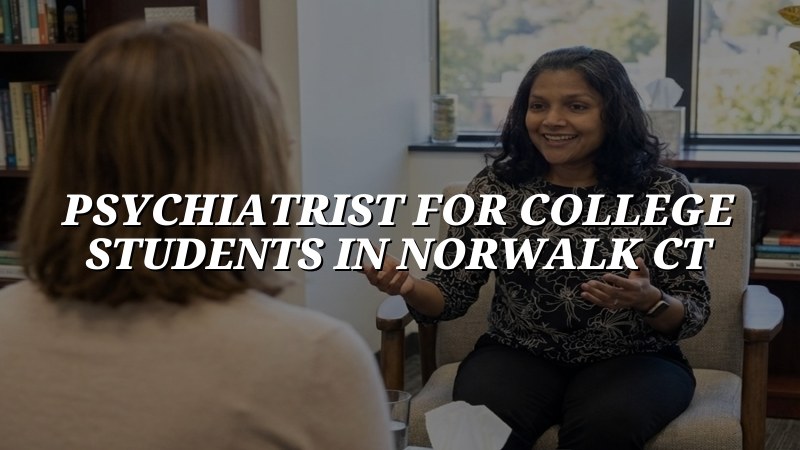
What students are usually trying to fix
A student rarely calls because of one isolated bad week. More often, the pattern is messier: trouble getting out of bed, missed deadlines, racing thoughts before exams, irritability with roommates, or concentration that disappears halfway through a lecture. Some people also notice sleep changes first, then mood changes, then a drop in motivation. We listen for the whole picture, because that is how a real psychiatric assessment starts. The goal is to sort out what is driving the problem, what has already been tried, and what kind of care makes sense for your schedule and your life in Norwalk or on campus.
Why college years can make symptoms louder
College brings late nights, irregular meals, pressure to perform, and a lot of transitions. For some students, that means old symptoms become more obvious. For others, it is the first time they have been away from home long enough to notice how much anxiety, attention problems, mood swings, or insomnia are affecting them. We also see students who have been managing for years and suddenly hit a wall when coursework gets harder. Norwalk students commuting to class, living on campus, or splitting time between school and home often need a plan that works around a changing weekly schedule.
What a psychiatric visit actually covers
The first session is not a rushed medication check. We review health history, current symptoms, past treatment, sleep, concentration, stressors, and your goals for care. If medication is appropriate, we talk through why it may help, what side effects can happen, and how follow-up is used to monitor response. If therapy skills are a better starting point, supportive counselling and cognitive behavioural techniques may be built into the visit. You should leave knowing what the plan is and what we are watching closely over the next few weeks.
- You can expect questions about mood, sleep, focus, energy, and school functioning, because those details help shape care.
- We keep the conversation collaborative, so you know why a recommendation is being made.
- Telehealth can be a practical fit for a student schedule, especially during exams, breaks, or heavy commute weeks.
- Follow-up visits are used to review progress, side effects, stress, and any changes in concentration or sleep.
The first weeks of care, step by step
Students often want to know what happens after the first appointment. The answer depends on the individual plan, but the rhythm is usually straightforward. We start with the assessment, build the plan around your symptoms and goals, and then use follow-ups to see how you are doing in real life, not just on paper. That might mean tracking sleep before an early class, attention during studying, or whether social stress is making it harder to keep up. When needed, we adjust the plan carefully and talk through the next step.
- Share the real problem. Tell us what is getting in the way of school, work, commuting, sleep, or daily routines. The more specific you are, the easier it is to build a useful plan.
- Review your history. We ask about previous treatment, medications, therapy, medical conditions, and any side effects you have had before. That helps avoid guesswork.
- Talk through options. We explain whether medication, supportive therapy, or a combination makes sense and what each choice involves.
- Use follow-up to fine-tune care. We check mood, sleep, concentration, and stress changes, then decide together what should stay the same and what should change.
A quick reference for common student care needs
| Student need | What we look at | Typical visit focus |
|---|---|---|
| Constant worry before class or exams | Triggers, sleep, physical tension, concentration | Assessment, coping strategies, possible medication discussion |
| Low mood and loss of motivation | Energy, interest, routines, stress load | Diagnostic review and treatment planning |
| Poor focus while studying | Attention patterns, sleep, overwhelm, past history | Careful evaluation and follow-up monitoring |
| Irregular sleep during the semester | Bedtime habits, anxiety, schedule changes, screen use | Supportive counselling and treatment adjustments when appropriate |
Why Norwalk students often choose telehealth
For a lot of college students, the hardest part is not wanting care. It is fitting care between classes, work shifts, and travel. Telehealth makes that easier for residents anywhere in Connecticut, including students who are home in Norwalk on weekends or staying near campus during the week. If you can get to our Rocky Hill office, in-person visits are available there too. Since we only see adults and only treat patients in Connecticut, the visit format stays simple and clear from the start. If insurance questions are on your mind, our insurance and payment information page is the right place to look before you book.
What makes the fit work for busy schedules
Students do better when care is easy to keep up with. A telehealth visit can reduce missed appointments during finals, snow days, or packed commute weeks, while still giving room for meaningful follow-up. Some students prefer to come in person at 2049 Silas Deane Hwy, Ste 209, Rocky Hill, CT 06067 because they want a dedicated space away from school pressure. Either way, the goal is the same: steady care that is built around your actual week, not an ideal one. If you want to know how appointments are requested, the appointment page walks through the process.
What to bring up during the visit
A good visit feels more useful when you come prepared, but you do not need a perfect list. Bring whatever helps tell the story: past records, medication names if you know them, a rough timeline of when symptoms started, and any questions you keep putting off. If school stress is part of the picture, say that plainly. If you have tried counseling before, mention what helped and what did not. We work in a judgment-free way and keep the conversation confidential. That matters when you are trying to decide whether to keep pushing through alone or get a plan in place.
- Write down your top three concerns before the appointment so nothing important gets lost.
- If you track sleep, mood, or concentration, bring those notes with you.
- Mention any medication side effects rather than stopping or changing treatment on your own.
- Use the visit to ask how follow-ups will work during busy academic periods.
How Elite Health LLC Can Help
If you need a psychiatrist for college students in Norwalk CT, we can help with adult psychiatric evaluation, medication management, telehealth psychiatry, and supportive therapy. Sindhia Shyras, APRN offers care that is collaborative, culturally sensitive, and built around the realities of student life in Connecticut. If you're ready to start, reach out and we’ll help you figure out the next step.
Call 860-515-8689, email info@ctelitehealth.com, or visit us at 2049 Silas Deane Hwy, Ste 209, Rocky Hill, CT 06067.
Frequently Asked Questions
If you are looking for adult psychiatric care that understands the pressure of school, work, and life in Connecticut, we’re ready to help. The first step is just a conversation, and it can happen by telehealth or in person depending on what fits your week.
Serving Norwalk students and adults across Connecticut via telehealth.
Call 860-515-8689, book online below, or send us a message.
Book an Appointment Contact Us