Panic Disorder Treatment in Stamford CT
Panic Disorder Treatment in Stamford CT
Panic disorder treatment in Stamford CT can be a real relief if sudden fear has started shaping your day, your sleep, or the places you feel comfortable going. Maybe the episodes come out of nowhere. Maybe you now avoid driving on I-95, crowded stores, or long meetings because you’re worried another wave will hit. This page explains how adult panic care works, what happens at a first visit, and how to start with a clinician who takes the time to listen.
At Elite Health LLC, care is provided by Sindhia Shyras, APRN, a board-certified Psychiatric Nurse Practitioner with years of experience in evidence-based psychiatric practice. We see adults 18 and older from Stamford by telehealth across Connecticut, and in person at our Rocky Hill office when that makes sense for you. The approach is calm, private, and practical. We talk through symptoms, health history, goals, and the options that fit your life.
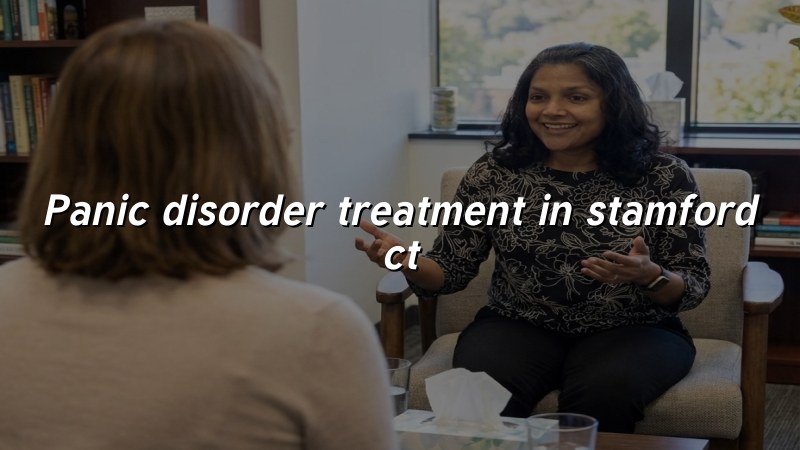
What panic disorder feels like day to day
Panic disorder is more than an occasional stressful moment. People often describe a sudden surge of fear, a racing heart, chest tightness, shortness of breath, shaking, or a feeling that something terrible is about to happen. The episode may pass in minutes, but the after-effect can last much longer. Many adults start changing routines to avoid being caught off guard, and that can shrink work, travel, and social life fast. In a busy place like Stamford, it may show up when you’re on the train, in traffic, at the office, or just trying to run errands.
How it tends to affect real life
The part people don’t always expect is the anticipation. After one or two attacks, the fear of the next one can become its own problem. You may start checking your pulse, carrying water everywhere, sitting close to exits, or turning down plans. Sleep can get choppy too, especially if nighttime sensations make you worry about your body. We hear from adults who can still function, but only by working around the fear all day. That’s exhausting.
What treatment is meant to address
Good panic disorder treatment in Stamford CT starts with figuring out what’s actually happening and what else might be adding to it. Anxiety, caffeine, sleep loss, medical conditions, and medication side effects can overlap with panic symptoms, so the first visit is about careful sorting, not assumptions. From there, we talk about options such as medication management, supportive therapy, or both, depending on your needs and preferences. Nothing is forced. The point is to make a plan you understand.
- Panic symptoms can feel physical first, which is why a psychiatric evaluation helps separate panic from other possible causes.
- Avoiding places after a panic attack can make the fear grow, even when you’re trying to protect yourself.
- Some adults prefer medication support; others want therapy-focused visits; many benefit from a combination.
- Follow-up visits are used to review symptoms, sleep, stress, and any side effects that come up.
What the first appointment looks like
The first appointment is usually where the pressure drops a little, because you finally get to tell the full story. We ask about the timing of the episodes, what you feel in your body, what triggers you notice, your medical history, current medicines, sleep, caffeine or nicotine use, and what you’ve already tried. We also talk about your goals. Some people want fewer attacks. Others want to stop avoiding places or meetings. Either way, the visit is structured around getting a clear picture so the next steps make sense.
- Start with your symptoms. We review what happens during an attack, how often it happens, and what you notice before and after it.
- Talk through your history. We cover health conditions, current medications, past treatment, and anything that may affect psychiatric care.
- Review your options. We explain medication, supportive therapy, or a combined plan in plain language, including common benefits and possible side effects.
- Set a follow-up rhythm. We decide how often to check in so progress, sleep, mood, and stress can be reviewed over time.
A simple reference for common care paths
| Care step | What we review | What it helps with |
|---|---|---|
| Psychiatric evaluation | Symptom pattern, health history, goals, and current medicines | Building an accurate treatment plan |
| Medication management | Response, side effects, dose changes, and follow-up needs | Ongoing symptom control when clinically appropriate |
| Supportive therapy | Triggers, coping skills, thought patterns, and stress | Building practical ways to respond to panic |
| Telehealth visits | Symptoms, sleep, concentration, and daily functioning | Convenient follow-up for Connecticut residents |
Why Stamford residents often choose telehealth
Stamford is close enough to Rocky Hill for some people to make the drive, but not every adult wants to spend time on the road when panic is already draining energy. Telehealth can make it easier to start care without adding commute stress, and it works well for follow-up visits when you just need to talk through symptoms, sleep, concentration, or side effects. Since our license is Connecticut-only, we see residents anywhere in the state, not just nearby towns. If you do want to come in person, our office is at 2049 Silas Deane Hwy, Ste 209, Rocky Hill, CT 06067, with office hours Monday through Friday from 9:00 am to 5:00 pm.
A few things that usually help the first few visits go smoothly
Bring a short list of your current medications and supplements if you have it. Write down the moments that tend to set off fear, even if they seem small. If you’ve seen another clinician before, having that history ready can save time. Many people also like to think ahead about what matters most right now: fewer attacks, less avoidance, better sleep, or simply understanding what’s going on. If questions about coverage come up, send them to the insurance page so we can keep the conversation focused on care.
How panic care can be organized over time
People often expect panic treatment to be one big appointment, but it usually works better as a series of conversations. The first visit gives us the foundation. Follow-up visits let us see how symptoms change, whether the plan feels manageable, and whether you need adjustments. That kind of steady review is especially useful when panic is tied to stress, sleep disruption, or a busy schedule. If you like having a written record of what to expect before you start, the appointment page explains the intake process, and the FAQ page covers common questions about medication management and confidentiality.
The point is not to rush you. It’s to give the care enough structure that we can notice patterns and make informed decisions together. Some adults want supportive counseling built into each follow-up. Others mainly want medication monitoring with a clinician who explains things clearly and keeps the conversation judgment-free. Both are common here.
How Elite Health LLC Can Help
Elite Health LLC offers psychiatric evaluation, medication management, telehealth psychiatry, and supportive therapy for adults living with panic symptoms. If you’re looking for panic disorder treatment in Stamford CT, we can help you start with a clear assessment and a plan that matches your goals and your schedule. Call 860-515-8689, email info@ctelitehealth.com, or visit us at 2049 Silas Deane Hwy, Ste 209, Rocky Hill, CT 06067.
Frequently Asked Questions
If panic has been making your days smaller, you don’t have to keep guessing at what to do next. We can help you sort out the symptoms, understand the options, and decide on a plan that feels workable.
Serving Stamford, Rocky Hill, and all of Connecticut via telehealth
Call 860-515-8689, book online below, or send us a message.
Book an Appointment