Non-Stimulant ADHD Medication in Milford CT
Non-Stimulant ADHD Medication in Milford CT
If you're searching for non-stimulant ADHD medication in Milford CT, you're probably trying to sort out a few real concerns at once: focus, forgetfulness, side effects, sleep, and what kind of care actually fits your life. Some adults want an option that doesn't feel like a stimulant, while others are asking because they want to understand all of the choices before they start treatment. This page explains what non-stimulant treatment can involve, how the first visit works, and when it makes sense to talk with a clinician about it.
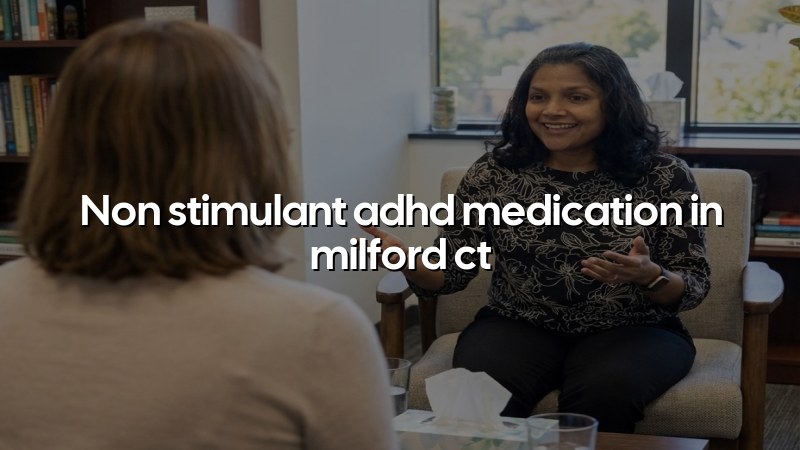
At Elite Health LLC, Sindhia Shyras, APRN sees adults 18 and older from Milford and across Connecticut by telehealth, or in person at our Rocky Hill office. We take a careful look at symptoms, health history, sleep, mood, and daily routine before discussing medication options. The goal is a plan that fits the person in front of us, not a one-size-fits-all formula. If you want to compare medication management with supportive therapy or ask about the first appointment, we can walk you through it.
What non-stimulant ADHD treatment actually means
Non-stimulant ADHD medication is a broad term for prescriptions that may be considered when a clinician is treating attention problems without using a stimulant. For adults, that conversation usually starts with symptoms rather than a label alone. People often ask because they have trouble staying organized, losing track of tasks, or finishing work they meant to start hours earlier. Others are already in treatment and want to review whether a different approach could make sense because of sleep issues, anxiety, appetite changes, or past side effects. The medication choice always depends on the full assessment, including history, current health, and what else may be contributing to the picture.
How it may show up day to day
In everyday life, ADHD can look less like "can’t pay attention" and more like a pattern that keeps interfering with work, home, or school tasks. A Milford patient might describe starting the same email three times, missing appointments, or feeling mentally worn out by the end of the day because everything takes extra effort. Some adults notice they focus best on urgent tasks and fall apart on routine ones. Others feel scattered in meetings, lose track of conversations, or keep misplacing items they need every morning. Those details matter, because they help us understand what kind of treatment discussion makes sense.
What a medication discussion includes
When we talk about medication management, we're not handing out a quick answer. We review the person’s goals, medical history, sleep, stress level, and any other psychiatric concerns that may be part of the visit. Some adults want to avoid a stimulant because of side effects or personal preference. Others are looking for a treatment plan that can be monitored carefully over time. We explain options, talk through possible side effects in general terms, and make decisions together. That process is especially useful when someone is trying to balance focus, mood, and daily functioning.
- A first visit usually starts with a full psychiatric evaluation rather than a quick prescription visit.
- Sleep, appetite, mood, and anxiety can all change how attention problems feel.
- Medication management works best when follow-up is steady and honest.
- Telehealth makes it easier for adults in Milford and nearby towns to keep appointments.
How the first few visits usually work
People often want to know what happens after they book. The short answer is that we start with background, then move into options. Nobody should feel rushed into a decision, and nobody should have to guess what the next step is. For adults in Milford, that can mean an in-person visit in Rocky Hill if travel works, or a telehealth appointment anywhere in Connecticut.
- Share your history. We talk about your symptoms, health background, sleep, concentration, mood, and any medications or treatments you've tried before.
- Clarify the goal. Some people want help with work performance, some want better daily organization, and some want a medication discussion that feels more measured.
- Review the options. Sindhia Shyras, APRN explains whether medication management, supportive therapy, or a combined approach may fit the clinical picture.
- Set a follow-up plan. We decide how progress will be checked, what symptoms to watch, and when the next visit should happen.
Common treatment paths adults ask about
| Option | Typical discussion point | What it may be used for |
|---|---|---|
| Non-stimulant medication | Reviewed with the full psychiatric history | Adult ADHD treatment planning when a stimulant is not the preferred first choice |
| Stimulant medication | Considered during the same evaluation when appropriate | Attention symptoms that need a different kind of medication discussion |
| Supportive therapy | Often paired with medication follow-up | Building coping skills, routines, and practical structure |
| Telehealth psychiatry | Used for statewide Connecticut follow-up visits | Care for adults who cannot easily travel to Rocky Hill |
Milford access, telehealth, and where care happens
Milford is on the shoreline in New Haven County, and the trip to Rocky Hill is usually done by way of I-95, Route 15, and the Hartford area connectors depending on where you're starting. For some adults, that drive is manageable for an initial visit. For others, telehealth is simply the easier path, especially when they need follow-up without taking half a day away from work or family obligations. Because Elite Health LLC serves adults across Connecticut, Milford residents can use statewide telehealth when a visit does not need to happen in person. If you are also trying to sort out coverage questions, the insurance page is the right place to look before you decide.
What to bring up before starting treatment
It helps to be specific. Tell us if sleep is already poor, if anxiety feels louder than focus trouble, or if past medication trials caused side effects that made you stop. Adults sometimes minimize those details because they think they should have "pushed through," but those facts are exactly what shape a safer plan. If you're comparing medication with therapy, the frequently asked questions page also covers common concerns about follow-up, privacy, and what the first visit looks like.
How Elite Health LLC Can Help
We offer adult psychiatric evaluation, medication management, telehealth psychiatry, and supportive therapy for people looking for non-stimulant ADHD medication in Milford CT and throughout Connecticut. Sindhia Shyras, APRN takes time to review the full picture so the treatment plan is based on your goals and clinical history. If you're ready to talk through options with a clinician, we're here to help you start the conversation.
Call 860-515-8689, email info@ctelitehealth.com, or visit us at 2049 Silas Deane Hwy, Ste 209, Rocky Hill, CT 06067.
Frequently Asked Questions
If you've been trying to figure out whether non-stimulant ADHD medication in Milford CT is the right next step, the most useful thing you can do is start with a real evaluation. We can help you sort through the options, keep the conversation plain, and build a plan around your goals and history.
Serving Milford, CT and all of Connecticut via telehealth.
Call 860-515-8689, book online below, or send us a message.
Book an Appointment