Need a Mental Health Diagnosis in New Haven CT
Need a Mental Health Diagnosis in New Haven CT
If you need a mental health diagnosis in New Haven CT, you may already have a stack of questions and not much clarity. Maybe the symptoms have been building for months, or maybe a recent change at work, home, or school made everything harder to manage. This page explains how an adult psychiatric evaluation works, what information helps us make sense of your symptoms, and how you can start care with Elite Health LLC from New Haven or anywhere else in Connecticut.
At Elite Health LLC, care is provided by Sindhia Shyras, APRN, a board-certified Psychiatric Nurse Practitioner with more than 9 years of clinical experience. She sees adults 18 and older, offers in-person visits in Rocky Hill and telehealth statewide, and takes a patient-centred approach that gives you time to explain what’s been going on. If you’re unsure whether your symptoms point to anxiety, depression, ADHD, bipolar disorder, PTSD, OCD, insomnia or something else, the first step is a careful evaluation, not a guess.
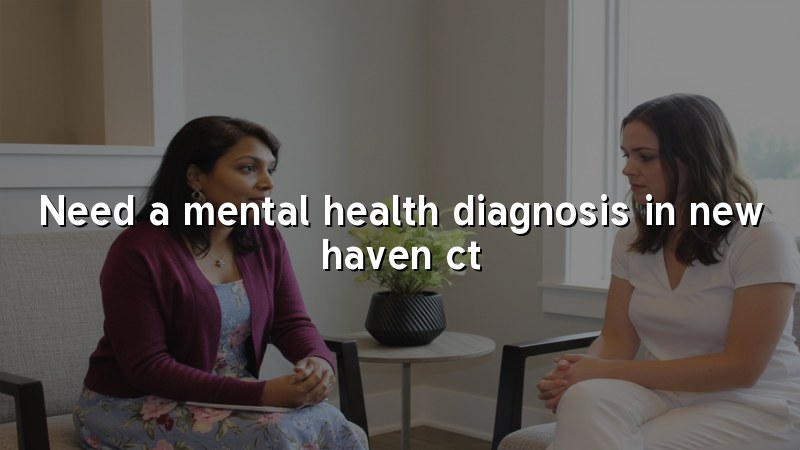
What a mental health diagnosis actually means
A mental health diagnosis is a clinical way of naming the pattern behind your symptoms so treatment can start from the right place. It is not a label for who you are. It helps sort out overlapping concerns that can look similar at first, like worry that never shuts off, low mood that affects sleep and concentration, or mood swings that seem to come and go in waves. In our office, the goal is to understand what you’ve been experiencing, how long it has been present, what makes it better or worse, and what else may be affecting it, including medical history, stress, sleep and past treatment.
Why New Haven patients often ask for an evaluation
People from New Haven usually reach out when they want a clear answer before starting or changing treatment. Some have already tried to push through symptoms on their own. Others were told different things by different providers and want a single, grounded assessment. A diagnosis can also be useful for follow-up care, school or work paperwork when appropriate, or simply for making sense of why daily tasks feel harder than they used to.
What we look at during the first visit
The first session usually covers your background, medical history, current symptoms, sleep, concentration, substance use if relevant, family history and your treatment goals. We also talk through timing. For example, a change that started after a major stressor may call for a different plan than symptoms that have been building for years. From there, Sindhia explains the possible next steps, which can include medication, supportive therapy or both, depending on what makes sense clinically.
- You get a real clinical assessment instead of a rushed screening.
- We look for patterns over time, not just one bad day.
- Your treatment options are explained in plain language.
- Follow-up visits track symptoms, side effects, sleep, mood and concentration.
How the evaluation process works
If you’ve never had a psychiatric evaluation before, the process can feel unfamiliar. It’s usually straightforward. You book a visit, share your history, talk openly about what’s happening now, and review the possible treatment paths. For people in New Haven, telehealth is often the easiest starting point because it removes the drive to Rocky Hill. If you prefer an office visit, we also see adults in person at 2049 Silas Deane Hwy, Ste 209, Rocky Hill, CT 06067, Monday through Friday from 9:00 am to 5:00 pm.
- Share what brought you in. Tell us what symptoms are bothering you, when they started and what you’ve already tried. Small details help more than long speeches.
- Review your health history. We ask about past diagnoses, medications, sleep, stress, medical conditions and anything that could affect mental health.
- Talk through the clinical picture. Sindhia asks focused questions to understand whether the symptoms fit anxiety, depression, ADHD, bipolar disorder, PTSD, OCD, insomnia or another issue.
- Discuss the plan. If treatment is appropriate, we explain the options, the expected benefits and possible side effects so you can make an informed decision.
- Set follow-up visits. Progress is checked over time, and the plan can be adjusted based on how you’re doing.
Common signs people notice before they seek a diagnosis
People don’t usually call because they want a diagnosis in the abstract. They call because daily life has started to feel off. Maybe concentration is slipping at work, sleep has become light and broken, or you keep replaying the same worry in your head. Sometimes the clue is mood. Sometimes it’s irritability, panic, or feeling numb when you expected to feel fine. These patterns can show up alone or together, and they can change over time, which is why a clinician-led evaluation matters.
A few signs that often lead adults to seek psychiatric assessment include persistent worry, low mood, loss of motivation, racing thoughts, panic episodes, trouble sleeping, forgetfulness, restlessness, or periods of feeling unusually energized and not needing much rest. None of these proves one diagnosis by itself. They simply tell us it’s time to look more closely and ask better questions.
| Assessment area | What we review | Why it matters |
|---|---|---|
| Symptom pattern | What you feel, how often it happens and how long it has been going on | Helps separate temporary stress from a longer clinical pattern |
| Daily functioning | Work, relationships, sleep, concentration and routine | Shows how much the symptoms are affecting real life |
| Health history | Past treatment, medications, medical conditions and substance use when relevant | Supports safer, more accurate decision-making |
| Treatment goals | What you want to change and what kind of support fits your life | Helps build a plan that matches your values and schedule |
Why people from New Haven choose telehealth
For many New Haven adults, telehealth makes the first appointment easier to keep. You don’t have to deal with traffic on I-91 or find time for a long round trip when your energy is already low. Connecticut residents can meet with us securely by video from home, work or another private space, as long as they’re physically in Connecticut at the time of the visit. That matters because our licence is Connecticut-only, and we keep care within the state where we can properly serve patients.
What follow-up care usually includes
After the first evaluation, follow-ups are where the details get refined. We check mood, sleep, concentration, stress level and any side effects if medication was started. Supportive counselling is often part of those visits, too. That means there’s room to talk through coping strategies, routines and the parts of your week that still feel hard. It is practical care, not a one-time conversation.
If insurance questions are part of the picture, send those to the insurance and payment information page. If you want to know what scheduling looks like before you book, our appointment page explains the process in plain terms, and the frequently asked questions page covers a few common concerns about medication management and follow-up visits.
How Elite Health LLC Can Help
If you need a mental health diagnosis in New Haven CT, we can help you start with a psychiatric evaluation that is calm, careful and focused on the details that matter. Sindhia Shyras, APRN offers medication management when clinically appropriate, supportive therapy during follow-up visits, and statewide telehealth for adults across Connecticut. If you’re ready to get clarity and talk through next steps, reach out and we’ll help you get started.
Call 860-515-8689, email info@ctelitehealth.com, or visit us at 2049 Silas Deane Hwy, Ste 209, Rocky Hill, CT 06067.
Frequently Asked Questions
A clear diagnosis starts with a careful conversation, not a guess. If you’re in New Haven and want a clinician who listens closely, explains the options plainly and keeps care within Connecticut, Elite Health LLC is here to help.
Serving New Haven and all of Connecticut via telehealth.
Call 860-515-8689, book online below, or send us a message.
Book an Appointment