Mood Swings Treatment Doctor in Milford CT
Mood Swings Treatment Doctor in Milford CT for Adults Seeking Steadier Days
If you're searching for a mood swings treatment doctor in Milford CT, you may be trying to make sense of changes that feel sudden, hard to predict, or harder to explain to the people around you. Some days it may be irritability, a short fuse, or feeling unusually down. Other times it's restlessness, racing thoughts, poor sleep, or a quick shift from coping well to feeling overwhelmed. This page explains how adult psychiatric care can help you sort through what's happening and what the next step should be.
At Elite Health LLC, care is provided by Sindhia Shyras, APRN, a board-certified Psychiatric Nurse Practitioner with more than nine years of experience. We see adults in Rocky Hill and by telehealth across Connecticut, including people from Milford who want a calm, confidential place to start. The first visit is about listening closely, understanding your background, and building a plan that fits your goals, values, and daily life.
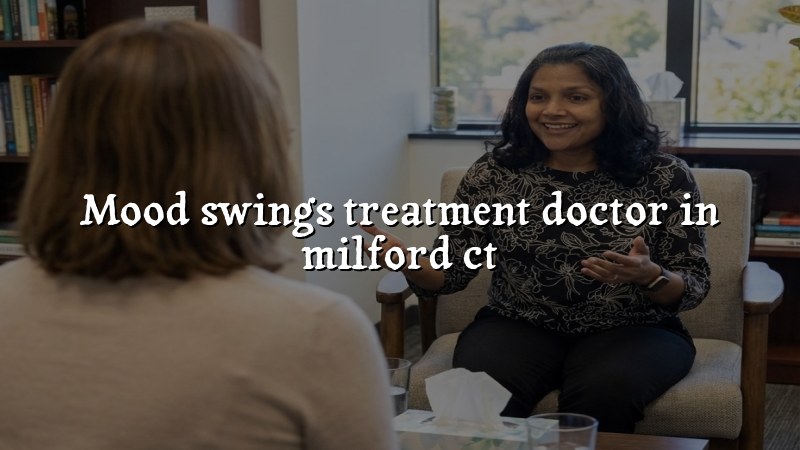
What mood swings can look like in daily life
Mood swings are not one single diagnosis. They're a description of changes in mood, energy, and stress tolerance that may be tied to anxiety, depression, bipolar disorder, sleep problems, medication effects, or another psychiatric concern. Some people notice they're fine in the morning and much more reactive by afternoon. Others describe tearfulness, agitation, or a heavy, flat feeling that comes and goes. The pattern matters as much as the feeling itself, which is why a careful psychiatric evaluation is the right place to start.
When the changes start affecting work, sleep, or relationships
A few ups and downs are part of life. What brings people to us is usually the point where the swings begin to interrupt sleep, concentration, patience, or motivation. In Milford, that might mean trouble getting through a workday, snapping at family after a long commute, or losing track of tasks you usually handle without trouble. These shifts can feel confusing, especially if they don't happen on a fixed schedule. Our job is to look at the full picture, not just one bad day.
What treatment actually focuses on
Mood swings treatment usually starts with understanding the cause, then matching care to what you're dealing with. That may include medication management, supportive therapy, or both. We talk through possible benefits and side effects in plain language so you can make an informed choice. The goal is not to rush into a label. It's to build a plan that fits your symptoms, your history, and what you want your life to look like.
- Mood swings that come with poor sleep can look very different from mood swings tied to anxiety or depression.
- A first appointment usually includes your medical history, current stressors, past treatment, and the timeline of your symptoms.
- Supportive therapy can be part of a medication visit, especially when you need help with coping skills and follow-through.
- Telehealth psychiatry lets Milford residents meet with us from home anywhere in Connecticut.
How the first appointment works
The first visit is usually the longest one, because it sets the direction for care. We ask about your mood changes, sleep, concentration, physical health, current medications, substance use if relevant, and any prior psychiatric care. You do not need to come in with the right words. Bring your concerns as they are, even if they feel messy. If you're coming from Milford, the visit can happen in our Rocky Hill office or by secure video if telehealth is the better fit.
- Start with your timeline. We want to know when the mood swings began, how often they happen, and what tends to come right before them.
- Review health and medication history. Past prescriptions, sleep issues, medical conditions, and substance use can all affect mood.
- Discuss treatment options. We explain what medication, supportive therapy, or a combined plan may look like, including common side effects to watch for.
- Set follow-up goals. You leave with a plan for what to track next, such as mood, sleep, stress, and concentration.
A quick comparison of care options
| Care option | What it helps us do | Typical use in treatment |
|---|---|---|
| Psychiatric evaluation | Build an accurate diagnostic picture | Usually the first step before treatment choices are made |
| Medication management | Monitor response and side effects over time | Used when medication is clinically appropriate |
| Supportive therapy | Strengthen coping skills and daily functioning | Often folded into follow-up visits |
| Telehealth psychiatry | Provide secure care without the drive to the office | Helpful for Milford residents anywhere in Connecticut |
Why Milford residents often choose telehealth first
Milford is in New Haven County, and the drive to Rocky Hill is reasonable for some people, but not everyone wants to build every follow-up around traffic, work hours, or child-free time. Telehealth is often the easier starting point when you want consistent visits and live anywhere in Connecticut. We use it for adults only, and the care is the same kind of focused psychiatric visit we offer in person. If you decide you'd rather come to the office later, that can be part of the plan too.
What to watch between visits
Follow-up visits are where we check whether the plan still fits. We usually ask about changes in mood, sleep, energy, appetite, focus, and stress, along with anything that seems to trigger the swings. A short note on your phone or a paper log can help, especially if the pattern is subtle. If you want to read more about coverage and self-pay, our insurance and payment information page explains how verification works.
What helps make treatment more useful over time
People often do better when they bring specific observations instead of trying to summarize everything at once. If you can tell us which days feel hardest, what your sleep looked like, and whether stress at work or home played a role, that gives us a better starting point. We also pay attention to cultural background, language needs, and how comfortable you feel discussing personal issues. Sindhia Shyras speaks English, Malayalam, Tamil, and Telugu, and that can matter when a sensitive topic is easier to explain in your strongest language.
- Track sleep for a week or two before your visit if you can.
- Write down any medication changes, even if they were made by another provider.
- Bring a short list of the symptoms that bother you most.
- Use the same words you use at home; you do not need a polished story.
How Elite Health LLC Can Help
If you need a mood swings treatment doctor in Milford CT, we can help you start with a psychiatric evaluation, then build care around medication management, supportive therapy, or a combination when it makes sense clinically. We see adults 18 and older, offer in-person visits in Rocky Hill and telehealth statewide, and keep the process private and judgment-free. If you're ready to talk, we're ready to listen.
Call 860-515-8689, email info@ctelitehealth.com, or visit us at 2049 Silas Deane Hwy, Ste 209, Rocky Hill, CT 06067.
Frequently Asked Questions
Mood swings can be frustrating, but they're also something you can talk through with a clinician who takes the time to look at the whole pattern. If you've been putting it off because you weren't sure where to start, that first call is often the hardest part.
Serving Milford, CT and all of Connecticut via telehealth.
Call 860-515-8689, book online below, or send us a message.
Book an Appointment