How to Talk to a Doctor About Anxiety in Greenwich CT
How to Talk to a Doctor About Anxiety in Greenwich CT
How to talk to a doctor about anxiety in Greenwich CT starts with saying the hard part out loud. Maybe your mind races before work, your sleep has gone off track, or you keep putting off the appointment because you do not know what to say. This page gives you a clear way to prepare, what to bring up first, and how a psychiatric visit usually works so you can speak with more confidence.
At Elite Health LLC, Sindhia Shyras, APRN meets adults in a respectful, private setting and asks practical questions about symptoms, stress, health history and goals. We serve people in person in Rocky Hill and by telehealth across Connecticut, including adults in Greenwich who want a calm, straightforward conversation about anxiety care. If you are getting ready for your first visit, you can also read our appointment information and frequently asked questions.
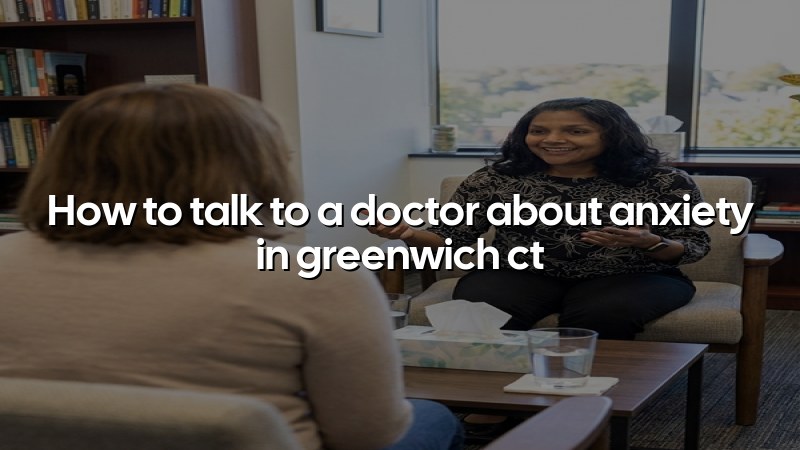
What people usually mean when they search this
Most people who type how to talk to a doctor about anxiety in Greenwich CT are not looking for medical jargon. They want words that feel natural, plus a sense of what a clinician will actually ask. You do not need to arrive with perfect phrasing. A simple description of what you notice, when it started, and what it disrupts is enough to begin. That can include worries that keep looping, panic symptoms, constant tension, trouble sleeping, or the feeling that stress is taking over the day.
Start with what is happening in real life
Talk about the parts of your day that anxiety is touching. People often mention difficulty concentrating at work, avoiding phone calls, dreading meetings, waking up tense, or feeling exhausted after a night of broken sleep. If you live in Greenwich and are trying to fit care into a busy week, those details help the clinician understand how severe the problem feels for you. The point is not to impress anyone. The point is to make the picture clear.
Say what you have already tried
It helps to mention what you have done on your own, even if it did not fix things. Maybe you changed caffeine use, tried breathing exercises, talked with a friend, or pushed through because you hoped it would pass. That context matters. It gives the provider a better sense of how long the issue has been going on and what kind of support may fit. For some adults, the first useful step is simply naming the problem without downplaying it.
- Write down the top three symptoms that bother you most.
- Note when they happen, such as mornings, evenings, or before certain meetings.
- Bring a list of current medications, supplements, and recent changes in sleep or appetite.
- Think about one or two goals, such as sleeping better, worrying less, or getting through the workday with more ease.
What to say during the appointment
Once you sit down with a clinician, keep it simple. You do not need a polished speech. A short opening like, “I think anxiety is affecting my sleep and focus,” or “I want help understanding why I feel on edge so often,” is enough to get the conversation started. We hear that people sometimes worry they will be judged or rushed. A good mental health visit should feel more like a conversation than a quiz.
- Name the main concern. Start with the symptom or pattern that feels most disruptive, such as worry, panic, muscle tension, or trouble sleeping.
- Give one or two examples. Mention a recent situation at work, at home, or during travel that shows how anxiety shows up for you.
- Share what has changed. Tell the clinician if the problem is newer, getting worse, or affecting your mood, concentration, or appetite.
- Ask about options. You can ask what treatment might include, such as medication management, supportive therapy, or both.
- Check the follow-up plan. Before you leave, ask how progress will be monitored and when the next visit should happen.
How a psychiatric anxiety visit usually works
At Elite Health LLC, the first visit is built around understanding the full picture. Sindhia Shyras, APRN reviews your background, health history, symptoms, stressors and treatment goals so the assessment is grounded in real information. From there, she explains possible next steps in plain language. Those options may include medication when clinically appropriate, supportive therapy techniques, or a combination of both. The pace is steady. You should have room to ask questions before any plan is made.
| Visit stage | What the clinician may cover | What you can prepare |
|---|---|---|
| Before the visit | Basic history, current symptoms, and what prompted you to reach out | Medication list, insurance details, and a short symptom note |
| First session | Questions about sleep, mood, worry, concentration, stress and goals | Examples of how anxiety affects work, home, or daily routines |
| Plan discussion | Review of treatment options, benefits, and possible side effects | Questions about follow-up timing and visit format |
| Follow-up | Tracking of symptoms, progress, mood, sleep and coping skills | Updates on what changed since the last visit |
Why follow-up visits matter
Anxiety care usually works best when it is checked over time, not once. Follow-up visits give space to talk about sleep, stress, side effects, concentration and any new concerns that came up between appointments. Some visits are short. Others need a little more time. Supportive counselling and cognitive behavioural techniques are often woven into those check-ins, which can make it easier to practice coping skills in real life instead of just talking about them in theory.
Questions worth bringing with you
If you feel nervous, having a few written questions can keep the conversation moving. That is especially useful if you are trying to decide between therapy, medication, or a combined plan. For patients who want to understand insurance or self-pay before scheduling, the details belong on our insurance page. We keep that separate so the visit itself can stay focused on care, not billing confusion.
A few practical questions to ask
You might ask what kind of evaluation will be done, how progress will be measured, how often follow-ups are usually needed, and what side effects should be watched for if medication is part of the plan. You can also ask how telehealth visits work for Connecticut residents, or whether in-person care in Rocky Hill makes more sense for your situation. Straight questions are welcome. They often help the visit feel less formal and more useful.
- What symptoms should I mention first if I feel anxious most days?
- How do you decide whether medication, therapy, or both make sense?
- What should I track between visits so we can see whether the plan is helping?
- Can I use telehealth if I live in Greenwich and want to avoid the drive every time?
Getting care from Greenwich without making it harder than it needs to be
Greenwich is in Fairfield County, and many adults there prefer telehealth for routine psychiatric follow-up because it saves time and keeps the visit focused. If you do want to be seen in person, our office is in Rocky Hill at 2049 Silas Deane Hwy, Ste 209, which is reachable from many parts of central Connecticut. Either way, the license is Connecticut-only and care is for adults 18 and older. We do not see children or teens. If you are trying to sort out whether telehealth or an office visit fits your schedule, our appointment page walks through the request process.
Telehealth can make the first step easier
For a lot of adults, the hardest part is getting started. A secure video visit removes the drive and can make it easier to speak openly from a private space at home. Some people prefer that for their first appointment; others want an in-person visit because that feels more direct. Both are available here. The important part is choosing the format that helps you actually show up and talk honestly.
How Elite Health LLC Can Help
If you are figuring out how to talk to a doctor about anxiety in Greenwich CT, we can help you turn a vague worry into a clear first conversation. Elite Health LLC offers psychiatric evaluation, medication management when appropriate, supportive therapy, and telehealth psychiatry for adults across Connecticut. Sindhia Shyras, APRN takes time to understand your symptoms and goals so the plan fits your life, not the other way around.
Call 860-515-8689, email info@ctelitehealth.com, or visit us at 2049 Silas Deane Hwy, Ste 209, Rocky Hill, CT 06067.
Frequently Asked Questions
The first conversation does not have to be perfect. If you can describe what you are feeling, how long it has been happening and what you want to change, that is already enough to begin. Elite Health LLC keeps the process straightforward so adults in Greenwich and across Connecticut can get honest help without extra noise.
Serving Greenwich, CT and adults across Connecticut by telehealth
Call 860-515-8689, book online below, or send us a message.
Book an Appointment