Help with Anxiety Symptoms in New Haven CT
Help with Anxiety Symptoms in New Haven CT
Help with anxiety symptoms in New Haven CT often starts with a simple problem: your body feels on alert before your day even begins. Sleep can get choppy, your chest may feel tight, your thoughts race, and ordinary tasks start taking more effort than they should. Some people notice it most during work, school, traffic on I-91, or while trying to sit still at home. This page explains what care can look like, what an adult psychiatric visit usually covers, and how to get started without guessing at the next step.
At Elite Health LLC, Sindhia Shyras, APRN provides adult psychiatric care for people 18 and older from our Rocky Hill office and by telehealth across Connecticut. We keep the first visit focused on your history, current symptoms, goals, and the patterns affecting sleep, mood, and concentration. From there, we talk through options in plain language, including medication management, supportive therapy, or a mix of both, so you can make an informed choice about care.
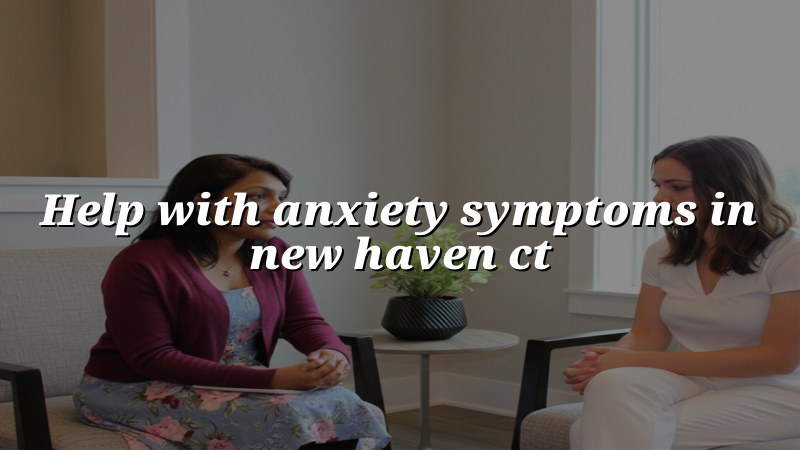
What anxiety symptoms can feel like day to day
Anxiety does not always look dramatic. A lot of adults describe a constant sense that something is about to go wrong, even when nothing obvious is happening. Others feel it in the body first: jaw tension, stomach upset, headaches, restlessness, or a heart that seems to race at the wrong times. It can also show up in quieter ways, like trouble starting tasks, checking and rechecking details, avoiding phone calls, or needing extra time to settle down after a stressful interaction. In a city like New Haven, where schedules are packed and the day moves fast, those symptoms can start shaping the whole routine.
Signs people usually mention first
Most adults don’t call because one symptom appeared once. They call because the pattern keeps repeating. That may mean poor sleep for several nights in a row, feeling keyed up before meetings, losing focus while reading, or getting overwhelmed by things you handled easily before. Some people also notice irritability or a shortened fuse with family, coworkers, or friends. These are the kinds of details that help us understand the full picture during a psychiatric evaluation, rather than relying on one snapshot.
What treatment actually involves
Treatment begins with assessment, not assumptions. Sindhia Shyras, APRN reviews your background, health history, current stressors, and the symptoms affecting daily life. If medication is appropriate, we discuss it carefully, including possible benefits and possible side effects, and we monitor how you respond over time. Supportive therapy may be built into follow-up visits, especially when the goal is to strengthen coping skills, improve sleep habits, and make day-to-day stress feel more manageable.
- Anxiety symptoms can affect sleep, concentration, appetite, and your ability to relax after work.
- A proper evaluation looks at both mental health symptoms and medical history, since the two can overlap.
- Telehealth can work well for Connecticut residents who want care without driving into Rocky Hill.
- Follow-up visits are where we watch symptom patterns, side effects, and the parts of life that are still getting in the way.
What the first visits usually look like
A lot of people feel more comfortable once they know what the appointment flow is. We keep it straightforward. The first session is about understanding what’s been happening and what you want help with, not rushing you through a checklist. Follow-up care then gives us room to watch trends over time, which is usually more useful than reacting to a single bad day.
- Start with your story. We ask about your symptoms, how long they’ve been around, what makes them worse, and what you’ve tried so far.
- Review health history. We look at sleep, medical issues, current medications, and anything else that could affect anxiety symptoms or treatment choices.
- Talk through care options. We explain medication management, supportive therapy, or combined treatment in direct language so you know what each path involves.
- Set follow-up expectations. We decide how to check progress, what to watch for, and when to revisit the plan if your symptoms change.
Common anxiety symptom patterns and what they often point to
| Pattern | What it may look like | Why a visit helps |
|---|---|---|
| Sleep disruption | Waking often, lying awake with racing thoughts, or feeling tired all day | We can review habits, stressors, and treatment options that may fit your routine |
| Physical tension | Muscle tightness, stomach upset, shallow breathing, or headaches | It helps us separate anxiety-related symptoms from other causes and plan next steps |
| Concentration problems | Reading the same page twice or losing track in conversation | We can look at mood, stress, sleep, and medication options together |
| Avoidance | Skipping calls, appointments, errands, or social plans because they feel overwhelming | That pattern gives us a clear starting point for supportive therapy and follow-up planning |
New Haven residents who want local care have a few practical options
If you live in New Haven, you can come to our Rocky Hill office when an in-person appointment makes sense for you. That office sits on the Silas Deane Highway corridor in Hartford County, which is a real drive for many people, so telehealth is often the easier route when you want to stay home and still meet with a Connecticut-licensed clinician. Because Elite Health sees adults only and serves residents of Connecticut only, the care plan stays focused and clear. If you’re trying to compare visit types, the details on our appointment page and frequently asked questions page can help before you book.
How we keep follow-up visits useful
Follow-up care is where the conversation gets more specific. We look at changes in sleep, mood, concentration, stress, and how often symptoms are interrupting the day. If medication is part of the plan, we pay attention to how you’re responding and whether anything needs to be revisited. Supportive counseling often shows up in these visits too, because most people need practical coping tools, not a lecture. If insurance is on your mind, send those questions to our insurance page so we can keep the answer tied to your own coverage situation.
How Elite Health LLC Can Help
If you need help with anxiety symptoms in New Haven CT, we can start with a psychiatric evaluation and build from there. Elite Health LLC offers medication management, supportive therapy, individualized care planning, and telehealth psychiatry for adults across Connecticut. We keep the tone calm, confidential, and practical, so you know what we’re recommending and why. If you’re ready to talk, we’d be glad to help you take the next step.
Call 860-515-8689, email info@ctelitehealth.com, or visit us at 2049 Silas Deane Hwy, Ste 209, Rocky Hill, CT 06067.
Frequently Asked Questions
If anxiety symptoms are making work, sleep, or everyday routines harder than they should be, you don’t have to keep sorting it out alone. Elite Health LLC offers adult psychiatric care that is steady, respectful, and built around real conversation, not guesswork. We’re here for people in New Haven and across Connecticut who want a thoughtful next step.
Serving New Haven, CT and all of Connecticut via telehealth.
Call 860-515-8689, book online below, or send us a message.
Contact Us Book an Appointment