Grief and Loss Support in Stamford CT
Grief and Loss Support in Stamford CT for Adults Who Need Care
Grief and loss support in Stamford CT can help when sadness feels heavier than you expected, sleep gets choppy, or everyday tasks start taking more effort than they used to. Losing a person, a role, a routine, or a sense of safety can affect mood, concentration, appetite, and patience. Some people keep moving and feel numb. Others feel stuck in waves that hit at odd times. If you're trying to make sense of that mix, this page explains what support can look like and how adult psychiatric care may fit in.
At Elite Health LLC, Sindhia Shyras, APRN works with adults 18 and older in a patient-centred way that respects your pace and your story. We see patients in person at our Rocky Hill office and by telehealth across Connecticut, so Stamford residents can choose the visit type that makes sense for them. If you'd like to understand the first appointment, the role of medication management, or how supportive therapy can be woven into follow-up visits, you'll find that here.
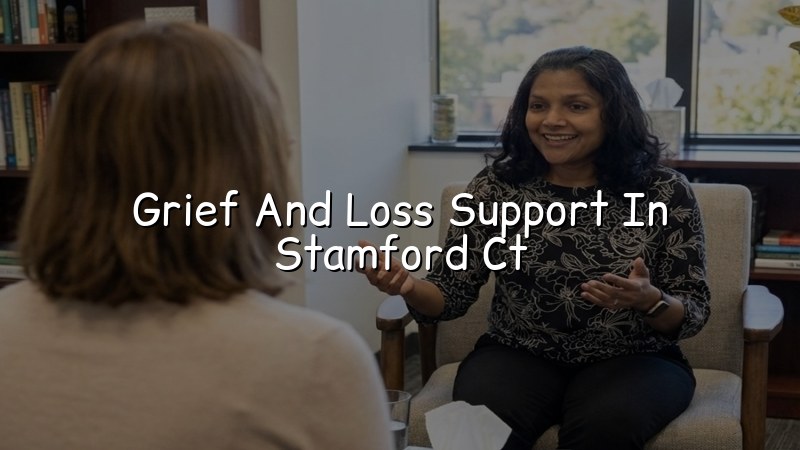
What grief can feel like day to day
Grief does not show up in one neat pattern. Some people feel intense sadness right away; others notice irritability, foggy thinking, or a kind of emotional flatness. It can affect sleep, energy, and focus at work, and it can make ordinary things feel unusually hard, like answering email or driving on I-95 toward Greenwich, Norwalk, or back home after a long day. People also tell us that grief can come with guilt, restlessness, or physical tension in the chest and stomach. None of that means you're handling it badly. It usually means you're carrying more than one kind of loss at once.
When support may be useful
Many adults reach out when the sadness is still tied to a clear loss, but their day-to-day life has started to slide. That might look like missed work, trouble sleeping for several weeks, or feeling pulled away from people you normally talk to. Sometimes the loss is a death. Sometimes it is a divorce, retirement, an empty house, or a major health change. In a first visit, we listen for the details that matter clinically, because good care starts with understanding the full picture rather than rushing to a label.
How grief and depression can overlap
Grief and depression can share symptoms, and people often ask us where the line is. We approach that carefully instead of making assumptions. The difference may lie in how symptoms affect your thinking, motivation, and ability to feel moments of connection or relief. A psychiatric evaluation helps sort through that with you. If needed, we also talk about related concerns such as anxiety, panic, insomnia, or trauma reactions, since loss can stir up more than one problem at the same time.
- Grief may come in waves, especially around anniversaries, holidays, or quiet moments at home.
- Sleep changes are common, and poor sleep can make emotions feel sharper the next day.
- Some adults feel guilt about moving forward, even when they know life has to continue.
- Supportive therapy can help you build coping skills without pushing you to talk faster than you're ready for.
What the first few visits usually look like
People often want to know exactly what happens once they book. We keep it straightforward. The first session is about understanding your history, what the loss means to you, your health background, and what you're hoping will change. From there, we talk through options in plain language. That can include supportive therapy, medication management when clinically appropriate, or a mix of both. Follow-up visits are used to check how you're doing, what symptoms are shifting, and whether the plan still fits your goals.
- Start with your story. We ask about the loss, your symptoms, your medical and psychiatric history, current stressors, and any past treatment so the assessment is grounded in real life.
- Review treatment options. We explain what supportive therapy, medication, and combined care can look like, along with common side effects or concerns if medication is part of the discussion.
- Set a plan you can follow. Together we decide what to try first and how often follow-up should happen, whether you're being seen in Rocky Hill or by telehealth anywhere in Connecticut.
- Check progress over time. We look at sleep, mood, concentration, stress, and day-to-day coping, then adjust the plan if your needs change.
Common signs, care focus, and visit type
| What you may notice | What we focus on | How visits may happen |
|---|---|---|
| Sleep loss and early waking | Routine, stress, mood, and whether anxiety is adding to the strain | In person in Rocky Hill or telehealth statewide |
| Low energy and trouble concentrating | Health history, current symptoms, and how loss is affecting daily functioning | Psychiatric evaluation first, then follow-up visits |
| Feeling numb or disconnected | Supportive counselling and coping skills that fit your pace | Often woven into medication follow-up when appropriate |
| Ongoing stress around reminders of the loss | Whether trauma, panic, or insomnia is part of the picture | Telehealth is often convenient for Stamford residents |
Why Stamford residents often choose telehealth first
Stamford is a practical telehealth location for many adults because the city sits on Connecticut's southwest edge, and not everyone wants to add a drive before or after an emotionally heavy appointment. For someone balancing work, caregiving, or a hard month after a loss, a secure video visit can make it easier to start care without waiting for the right free afternoon. If you can come to Rocky Hill, we also see patients in person at 2049 Silas Deane Hwy, Ste 209, Rocky Hill, CT 06067, Monday through Friday from 9:00 am to 5:00 pm. Either way, the licensure is Connecticut-only, and care stays within that boundary.
Insurance questions belong in one place
Coverage varies by individual plan, and we don't guess at benefits. If you want to know how your plan works, or what self-pay options exist, please use the insurance and payment information page or call us directly. That keeps the answer accurate and avoids surprises. If you're not sure whether the visit should be virtual or in person, the appointment page explains how to request care and what to expect from the first step.
How Elite Health LLC Can Help
Elite Health LLC offers psychiatric evaluation, medication management when clinically appropriate, telehealth psychiatry, and supportive therapy for adults working through grief and related symptoms. Sindhia Shyras, APRN takes a careful, judgment-free approach and helps you build a plan around your goals, whether that means the first visit, a medication discussion, or steady follow-up. If you're ready to talk, we're here to help you start.
Call 860-515-8689, email info@ctelitehealth.com, or visit us at 2049 Silas Deane Hwy, Ste 209, Rocky Hill, CT 06067.
Frequently Asked Questions
Grief can change how you sleep, think, and connect with other people, and you don't have to sort through it alone. If you're looking for grief and loss support in Stamford CT, Elite Health LLC can help you start with a careful evaluation and a plan that fits your life.
Serving Stamford, Rocky Hill, and all of Connecticut via telehealth.
Call 860-515-8689, book online below, or send us a message.
Book an Appointment