Do I Need Medication or Therapy in West Haven CT
Do I Need Medication or Therapy in West Haven CT
Do I need medication or therapy in West Haven CT is a question we hear from adults who feel stuck, overwhelmed, or just not like themselves anymore. You may be dealing with low mood, nonstop worry, poor sleep, or trouble focusing, and it can be hard to tell which kind of help makes sense first. This page explains how that decision is made, what the first visit looks like, and how to think about the difference between medication, therapy, and a combination of both.
At Elite Health LLC, Sindhia Shyras, APRN meets with adults 18 and older in Rocky Hill and by secure telehealth across Connecticut. We start with your history, symptoms, health background, and goals, then talk through the options in plain language so you can make an informed choice. If you live in West Haven, telehealth often makes the first step easier, and in-person visits are available in Rocky Hill when that fits your schedule.
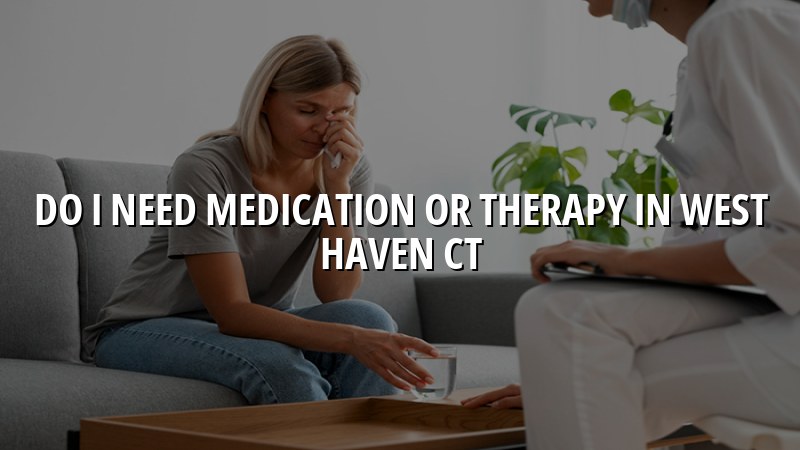
How to think about medication and therapy
Medication and therapy do different jobs, and many adults need one, the other, or both at different points in care. Medication is often used to help manage symptoms such as anxiety, depression, mood swings, poor sleep, or concentration problems. Therapy gives you room to talk through patterns, stress, coping skills, and the day-to-day habits that keep symptoms going. In real life, the right choice depends on what you’re dealing with, how long it has been going on, whether symptoms are affecting work or relationships, and what you’re comfortable starting with.
What people notice before they call
Most adults don’t walk in saying, “I need this exact treatment.” They say they’re exhausted, irritable, on edge, or having a hard time getting through the week. Some sleep too much, some barely sleep, and some can’t concentrate long enough to finish basic tasks. Others have been trying to manage symptoms on their own for months and are tired of guessing. If that sounds familiar, you’re not alone, and you do not need to figure it out by yourself before reaching out.
What treatment usually looks like here
Our approach is straightforward. We listen, ask follow-up questions, and review your health history before recommending anything. If medication makes sense, we explain the general purpose, possible side effects, and why we’d monitor your response closely. If therapy is the better starting point, we can use supportive counseling and cognitive behavioural techniques during follow-up visits. And if both fit your situation, we’ll talk about how to combine them in a way that feels manageable.
- Medication may be considered when symptoms are persistent, intense, or making daily function harder than usual.
- Therapy may be a good first step when stress, coping patterns, or life changes are the main issue.
- A combination is common when symptoms affect both body and mind at the same time.
- Your preferences matter, so you should expect a real discussion instead of a one-size-fits-all answer.
A practical step-by-step way to decide
If you’re trying to sort through do I need medication or therapy in West Haven CT, it helps to think in steps rather than labels. The first appointment is where we gather enough detail to make a safe, thoughtful plan. No one should be pushed into a choice before the basics are clear. Here’s the process many adults go through with us.
- Start with what you’re noticing. Write down the symptoms that are bothering you most, such as worry, sadness, panic, low energy, insomnia, or racing thoughts.
- Review what has already been tried. Talk about counseling, self-help strategies, prior medications, sleep changes, exercise, or any recent stressors that may be affecting you.
- Complete the psychiatric evaluation. Sindhia Shyras, APRN reviews your background, current symptoms, health history, and goals so the picture is accurate.
- Compare the options. We explain whether medication, therapy, or both seem reasonable, along with what follow-up would look like if you start treatment.
- Check in after the first visit. Follow-up appointments track mood, sleep, concentration, stress, and side effects if medication is part of the plan.
Medication, therapy, or both: a simple reference
| Option | What it usually focuses on | Common reason it is discussed |
|---|---|---|
| Medication | Symptoms that affect sleep, mood, focus, anxiety, or steadiness | When symptoms are persistent or hard to manage day to day |
| Therapy | Thought patterns, coping skills, stress, and behavior changes | When talking things through and building tools is a good starting point |
| Both together | Symptoms plus the habits and stressors that keep them going | When a combined plan makes sense after evaluation |
| Follow-up only | Monitoring progress and adjusting the plan over time | When care is already underway and needs review |
What West Haven adults should know before they choose
West Haven is in New Haven County, and many adults there prefer telehealth because it cuts out the drive while still giving them a real psychiatric visit. If you do want to come in person, our office is at 2049 Silas Deane Hwy, Ste 209, Rocky Hill, CT 06067, which is best reached by people who can make the trip on Route 15, I-91, or the highway network linking southern and central Connecticut. We see adults only, and we do not provide child or adolescent care. If you already have a therapist, a PCP, or another referring clinician, we can work with that care team for continuity.
Why the first visit matters so much
A lot of people want a quick answer, and I understand that. Still, the first visit is where we separate temporary stress from something that needs a different plan. We look at symptoms, medical background, sleep, stress level, and past treatment history before talking about next steps. That keeps the recommendation grounded in your actual situation, not in a guess made over the phone. If you’re unsure whether therapy alone is enough, or whether medication should be part of the discussion, that visit is exactly the right place to sort it out. You can also review frequently asked questions if you want a sense of how follow-ups and medication management work here.
When a combined approach makes sense
Sometimes the honest answer to do I need medication or therapy in West Haven CT is that you may benefit from both. That does not mean your symptoms are severe in some dramatic way. It usually means the pattern is complicated enough that medication can help steady symptoms while therapy helps with coping skills, routines, and thinking patterns. In follow-up visits, we check sleep, mood, concentration, stress, and how you’re handling the plan. If medication is part of care, we monitor how you’re responding and talk through any side effects in a careful, matter-of-fact way.
What supportive therapy can add
Supportive therapy is often woven into follow-up visits, so you’re not just checking a box and leaving. We may talk through current stress, problem-solving, coping tools, or ways to get through a difficult week. That can be helpful even when medication is already part of treatment. It also gives you space to ask questions, describe what has changed, and decide whether the plan still feels right. If you’re looking at insurance or self-pay questions, keep those on the insurance page, since coverage varies by plan and we verify benefits individually.
How Elite Health LLC Can Help
We help adults sort through psychiatric symptoms with a psychiatric evaluation, medication management when appropriate, supportive therapy, and telehealth psychiatry for people anywhere in Connecticut. Sindhia Shyras, APRN takes a patient-centred, confidential approach and talks through options clearly so you can decide what fits your needs. If you’re stuck between medication and therapy, or you just want a careful first opinion, reach out and we’ll help you start the conversation.
Call 860-515-8689, email info@ctelitehealth.com, or visit us at 2049 Silas Deane Hwy, Ste 209, Rocky Hill, CT 06067.
Frequently Asked Questions
If you’re still asking yourself whether medication or therapy is the better place to start, that usually means you’re ready for a real evaluation, not a random guess. We’ll help you slow it down, look at the symptoms honestly, and build a plan that makes sense for your life in West Haven or anywhere else in Connecticut.
Serving West Haven, Rocky Hill, and all of Connecticut via telehealth.
Call 860-515-8689, book online below, or send us a message.
Book an Appointment