Depression Medication Doctor in Bristol CT
Depression Medication Doctor in Bristol CT
Searching for a depression medication doctor in Bristol CT usually starts when day-to-day life feels heavier than it should. Maybe sleep is off, motivation is thin, concentration keeps slipping, or you’ve been carrying low mood for so long that it’s hard to remember what normal felt like. This page explains how adult psychiatric medication care works, what the first visit covers, and how you can get support from a Connecticut clinician without guessing your way through it.
At Elite Health LLC, care is provided by Sindhia Shyras, APRN, a board-certified Psychiatric Nurse Practitioner with years of experience in evidence-based psychiatric practice. We see adults 18 and older, with in-person visits in Rocky Hill and telehealth available statewide for Connecticut residents. If Bristol is closer for you than Rocky Hill, telehealth can make it easier to start care and keep follow-ups on track.
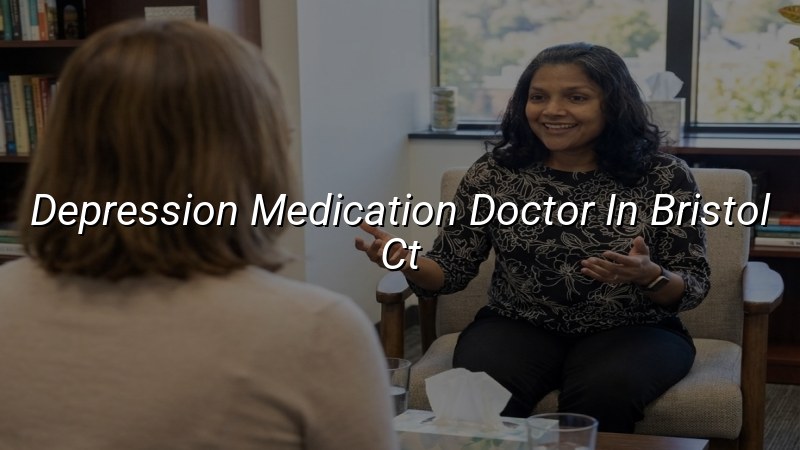
What a depression medication doctor actually helps with
People often search for a depression medication doctor because they want more than a name on a referral list. They want a clinician who can sort through symptoms, review health history, talk about medication options in plain language, and decide what makes sense for the person sitting in front of them. Depression doesn’t always look like sadness alone. It can show up as low energy, irritability, sleep changes, appetite shifts, brain fog, or feeling detached from the things that used to matter. Our job is to look at the whole picture, then build a plan that fits the person, not just the label.
Common ways depression shows up in adults
Some people can still get through work and home responsibilities, but it takes everything they have. Others notice they’re sleeping too much, waking too early, or staring at the ceiling because their mind won’t settle. In our office, people from Bristol and nearby towns often describe trouble concentrating, less interest in food or social plans, and a sense that simple tasks now feel like a long list. That information matters because medication decisions are guided by the symptom pattern, the person’s history, and what they’ve already tried.
What medication care involves here
Medication management is not a quick prescription and goodbye. We start with a psychiatric evaluation, talk through background and current concerns, and discuss options only after we understand the situation. When medication is appropriate, we explain how it is used, what to watch for, and what follow-up will look like. Supportive therapy and coping strategies are often part of the visit too, because medication works best when the plan is grounded in the person’s routines, stress level, and goals.
- You’ll have a chance to explain your symptoms in your own words before any treatment plan is made.
- We review medical history, past psychiatric care, and any medications that have helped or caused trouble before.
- We discuss benefits and possible side effects so the decision is informed, not rushed.
- Follow-up visits track mood, sleep, concentration, stress, and how the plan is fitting into daily life.
- Telehealth is available anywhere in Connecticut if getting to Rocky Hill is difficult.
How the first appointment usually works
The first visit gives us time to understand what’s been going on and what you want help with. People often worry that they need to prepare the “right” way. You don’t. Bring your questions, medication list if you have one, and any details you remember about past treatment. The appointment is usually a conversation about symptoms, health history, sleep, stress, and what has changed recently. From there, Sindhia Shyras, APRN explains next steps and whether medication, supportive therapy, or both may be reasonable to discuss.
- Start with your story. We ask what brought you in, how long you’ve been feeling this way, and what day-to-day life looks like right now.
- Review the background. We go over health history, prior treatment, current medicines, and anything that could affect psychiatric care.
- Talk through options. If medication is a fit, we explain the general approach, possible benefits, and what side effects might come up.
- Set follow-up expectations. You’ll leave knowing how progress will be checked and what topics we’ll monitor at the next visit.
- Keep the plan practical. The goal is a treatment plan you can actually follow, not something that sounds good on paper and falls apart at home.
Medication, therapy support, and follow-up: the pieces that matter
A lot of adults want to know whether medication alone is enough. The honest answer is that it depends on the person and the clinical picture. Some people mainly need medication management with careful monitoring. Others do better when supportive therapy is woven into follow-up visits, especially when stress, grief, work pressure, or sleep problems are part of the picture. We use evidence-based psychiatric care, but we keep it human. If you’ve had a bad experience before, say so. That kind of detail helps us avoid repeating what didn’t work.
What we pay attention to between visits
Follow-up is where real care happens. We look at mood changes, sleep quality, concentration, daily energy, and whether the plan still matches your goals. If something feels off, you tell us. If something feels manageable but not quite right, we adjust the conversation from there. The idea is steady monitoring and honest feedback, not guessing. If you want more background on coverage or self-pay options, the insurance page explains how that part works.
Depression medication doctor in Bristol CT: visit options and local access
Bristol is in Hartford County, and many people there look for care that doesn’t require a long, complicated drive for every appointment. Our Rocky Hill office is on Silas Deane Highway in Hartford County, and it’s a straightforward trip for patients who can come in person. For many others, telehealth is the easier route, especially when work schedules, transportation, or fatigue make an office visit harder to manage. Since Elite Health LLC serves Connecticut only, telehealth is available to residents of this state, not outside it. That keeps care within the scope of the license and the way we practice.
| Care option | Best fit | What to expect |
|---|---|---|
| In-person visit in Rocky Hill | Adults who can travel to the office | Face-to-face psychiatric evaluation and follow-up in Hartford County |
| Telehealth visit statewide | Connecticut residents who want remote care | Secure video appointment with the same adult psychiatric service |
| Medication management | Patients discussing psychiatric medication | Review of symptoms, response, side effects, and next steps |
| Supportive therapy during follow-up | People who want coping support too | Brief counseling and practical strategies built into visits |
Questions people in Bristol usually ask first
Most first calls are pretty direct. People want to know if they can start by telehealth, how the first appointment works, and whether they need a referral. Others ask about insurance and whether their plan has been verified yet. Those questions are normal. If you’d rather read before you call, our frequently asked questions page covers medication management, confidentiality, and follow-up visits in more detail.
How Elite Health LLC Can Help
If you’re looking for a depression medication doctor in Bristol CT, we can help you start with a real psychiatric evaluation and build a treatment plan around your symptoms, health history, and goals. Elite Health LLC offers medication management, telehealth psychiatry, and supportive therapy for adults 18 and older across Connecticut. If you’re ready to talk, we’re here to listen and explain the next step clearly.
Call 860-515-8689, email info@ctelitehealth.com, or visit us at 2049 Silas Deane Hwy, Ste 209, Rocky Hill, CT 06067.
Frequently Asked Questions
If you’ve been trying to manage depression on your own, you don’t have to keep guessing about medication or next steps. A careful psychiatric evaluation can bring some order to the process, and a steady follow-up plan can keep care moving in a sensible direction.
Serving Bristol, Rocky Hill, and all of Connecticut via telehealth.
Call 860-515-8689, book online below, or send us a message.
Book an Appointment