Anger Management Psychiatrist in Milford CT
Anger Management Psychiatrist in Milford CT
An anger management psychiatrist in Milford CT can help when irritation, snapping, or explosive reactions are starting to affect work, home life, or your relationships. If you’ve been trying to keep things under control and it still feels like your fuse is too short, this page explains what psychiatric care can look like for adults who want a calmer, steadier way forward. We focus on practical next steps, not judgement.
At Elite Health LLC, Sindhia Shyras, APRN works with adults 18 and older from Milford and across Connecticut through in-person visits in Rocky Hill and statewide telehealth. She offers psychiatric evaluation, medication management when appropriate, and supportive therapy within a patient-centred plan. The first visit is about understanding what’s going on, what triggers the anger, and what kind of care fits your goals. If you want to ask about coverage and self-pay options, that belongs on our insurance page.
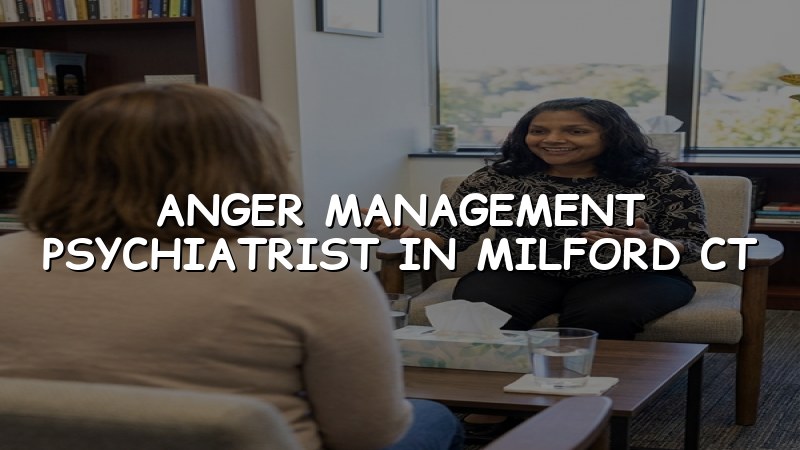
What anger often looks like in real life
People usually think of anger as one big outburst, but it often shows up in smaller ways first. You might feel tense all day, react too fast to little frustrations, replay arguments in your head, or notice that sleep, concentration, and patience are getting worse. Some adults describe going from calm to reactive in seconds. Others hold everything in until they finally blow up. In a psychiatric visit, we look at the whole pattern, including stress, mood, sleep, anxiety, substance use, and any other factors that may be feeding the cycle.
Why a psychiatric evaluation helps
A lot of people search for anger help after trying to manage it alone for months or years. That’s usually when the details matter. A psychiatric evaluation can sort out whether anger is part of depression, anxiety, PTSD, bipolar symptoms, insomnia, or another issue that needs a different approach. It also helps us see what has and hasn’t worked before. We don’t guess. We ask about your history, current stressors, and what you want life to look like when things feel more under control.
What care can include
Care may include medication management, supportive therapy, or a combination of both, depending on what the assessment shows and what you prefer. In follow-up visits, we check mood, sleep, concentration, stress, and side effects if medication is part of the plan. Supportive counselling and cognitive behavioural techniques are often woven into the visit so you can build coping skills you can actually use outside the office. Everything is individualized, confidential, and discussed with you before decisions are made.
- Anger can show up as sarcasm, yelling, shutting down, or feeling constantly on edge.
- Sleep loss and chronic stress often make reactions faster and harder to slow down.
- A full psychiatric assessment helps separate anger from mood, anxiety, trauma, or attention concerns.
- Adult care is available in Rocky Hill and by telehealth anywhere in Connecticut.
Your first few visits: what the process usually looks like
If you’ve never seen a psychiatric APRN before, the process can sound more formal than it really is. Most people just want to know what happens, how long it takes, and whether they’ll be talked at or talked with. Our style is collaborative. We start with the basics and move at a pace that lets you explain what’s been happening without feeling rushed.
- Start with background. We ask about your symptoms, health history, current stress, sleep, and any past treatment so we can understand the pattern behind the anger.
- Talk through goals. You tell us what you want to be different, whether that’s fewer blowups, better sleep, better focus, or less tension at home.
- Review options. We explain medication, therapy approaches, or a combination, along with possible benefits and side effects in plain language.
- Follow up and adjust. Later visits check progress, mood, sleep, concentration, stress, and how you’re tolerating the plan, then we make changes if needed.
Anger management care compared with other common visit types
| Visit type | Main purpose | What you can expect |
|---|---|---|
| Psychiatric evaluation | Understand the causes and pattern of symptoms | A detailed first visit focused on history, triggers, goals, and diagnosis |
| Medication management | Review whether medication is appropriate | Careful prescribing, monitoring, and follow-up based on your response |
| Supportive therapy | Build coping skills and emotional regulation | Structured conversation with practical techniques and check-ins |
| Telehealth psychiatry | Provide care remotely for Connecticut residents | Secure video visits when you can’t get to the Rocky Hill office |
Getting care from Milford without adding more stress
Milford is in New Haven County, and the drive to Rocky Hill usually means taking I-95, then connecting inland toward Hartford County. For some people that’s manageable. For others, it’s exactly the kind of extra friction that makes telehealth the better fit. Since Elite Health LLC sees adults anywhere in Connecticut, you can choose in-person care if the commute works or stay home and meet by secure video if that’s easier. Either way, the license is Connecticut-only, and visits are for individual adult care.
Practical tips before your appointment
A little preparation makes the first visit more useful. Bring a list of current medications, recent changes in sleep or mood, and anything that tends to set off angry reactions. If you’ve worked with another clinician before, it also helps to know what was tried and how you responded. If you’re unsure whether your insurance can be used for a psychiatry visit, check our insurance page or call us and we’ll point you in the right direction. People often ask these questions before they book, and that’s normal.
What to keep in mind between visits
Anger management treatment is usually not about one big breakthrough. It’s more often about noticing patterns, making small adjustments, and paying attention to what helps you pause before things escalate. Between visits, people often track sleep, caffeine, stress, arguments, and the times of day when they feel most reactive. That kind of information gives us something real to work with at follow-up. If medication is part of the plan, we also pay close attention to side effects and how you’re feeling overall.
- Keep notes on what happened right before a flare-up, even if it seems minor.
- Watch sleep, because short nights can make anger much harder to regulate.
- Tell us about any alcohol or substance use, since it can change symptoms and treatment choices.
- Use follow-up visits to talk honestly about what feels better, what feels unchanged, and what feels worse.
How Elite Health LLC Can Help
If you’re looking for an anger management psychiatrist in Milford CT, we can help you start with a thoughtful psychiatric evaluation and build a plan around what you need. Sindhia Shyras, APRN offers medication management, telehealth psychiatry, and supportive therapy for adults who want care that feels direct and respectful. If you’re ready to talk, reach out and we’ll help you take the next step.
Call 860-515-8689, email info@ctelitehealth.com, or visit us at 2049 Silas Deane Hwy, Ste 209, Rocky Hill, CT 06067.
Frequently Asked Questions
If anger has been getting in the way of your day, you don’t have to sort it out alone. A careful evaluation can help explain what’s driving the reactions and what kind of treatment fits your situation, whether you’re in Milford or anywhere else in Connecticut.
Serving Milford, CT and all of Connecticut via telehealth.
Call 860-515-8689, book online below, or send us a message.
Book an Appointment