Adult ADHD Treatment in Danbury CT
Adult ADHD Treatment in Danbury CT
Adult ADHD treatment in Danbury CT starts with the kind of appointment where you can finally lay out what’s been happening without being rushed. Maybe you’ve been missing details at work, losing track of bills, talking over people, or spending half the day trying to get moving. Maybe you’ve done fine for years and now the demands of work, home, and sleep are catching up. This page explains how we evaluate adult ADHD, what treatment can include, and how to get care with Elite Health LLC from Danbury by telehealth or by coming to our Rocky Hill office.
At Elite Health LLC, all care is provided by Sindhia Shyras, APRN, a board-certified Psychiatric Nurse Practitioner with more than 9 years of clinical experience. She uses evidence-based psychiatric care, careful medication follow-up when appropriate, and supportive therapy that fits real life. We see adults 18 and older across Connecticut, including Danbury residents who want a confidential, judgment-free visit. If you want to compare visit options, our appointment page and frequently asked questions page are good places to start.
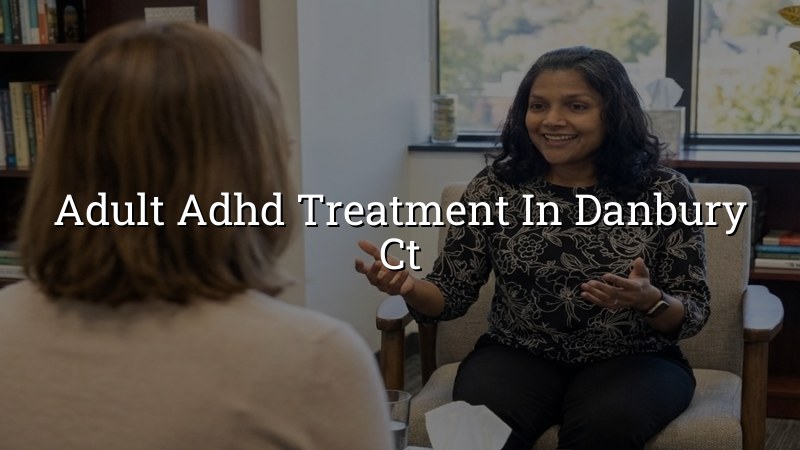
What adult ADHD can look like day to day
Adult ADHD often shows up in ordinary moments, not dramatic ones. You might read the same email three times, start a task and abandon it halfway through, or feel mentally busy even when the room is quiet. Some adults describe a lifetime of being “the distracted one,” while others only start asking questions when responsibilities pile up. In our experience, people from Danbury usually want to know whether what they’re feeling is ADHD, stress, poor sleep, anxiety, or a mix. That question is exactly why the first visit matters. The goal is not to slap on a label. It’s to understand patterns, health history, symptom timing, and how daily life is affected before any plan is made.
The parts people notice first
Many adults notice trouble with time, focus, and follow-through before they ever think about attention-deficit symptoms. You may be chronically late, misplace items, or leave tasks unfinished because another thought pulls you away. Others notice restlessness that looks less like “bouncing off the walls” and more like an inability to settle. At work, it can mean missed deadlines or a desk full of half-done items. At home, it can mean a calendar that never seems to stay useful for long.
Why a full psychiatric evaluation matters
Adult ADHD overlaps with anxiety, depression, PTSD, insomnia, and mood disorders, so a careful psychiatric evaluation helps separate what’s overlapping and what’s driving the biggest problems. We review background, health history, sleep, concentration, stress, and treatment goals. That first conversation helps us decide whether ADHD is part of the picture and what kind of care may fit. If insurance questions are on your mind, send those to the insurance page, since coverage and self-pay details belong there.
- Adults often describe more than one concern at the same time, such as focus trouble plus poor sleep or anxiety.
- Symptoms may be obvious at work but quieter at home, or the other way around.
- A reliable plan starts with a clear diagnosis, not a rushed guess.
- Telehealth can make it easier for Danbury residents to keep appointments without a long drive.
How care usually begins
The first visit is a conversation, not a test you have to pass. We ask about current symptoms, past mental health care, medical history, sleep, concentration, mood, and how things are affecting work, relationships, and home life. If adult ADHD seems likely, we talk through options such as medication management, supportive therapy, or a combination of both. You’ll hear about possible benefits and side effects in plain language so you can make an informed choice. Follow-up visits then track changes in attention, mood, sleep, stress, and day-to-day functioning. That steady check-in is where treatment gets adjusted to fit what’s actually happening.
- Share the full story. Bring your current concerns, past treatment history, and any questions you’ve been putting off. The more honest the picture, the better the assessment.
- Review what else could be contributing. Sleep problems, anxiety, depression, and high stress can look a lot like ADHD or sit right beside it.
- Talk through options. We explain what medication management and supportive therapy can each do, and we keep the discussion practical.
- Use follow-up visits to refine the plan. We look at attention, mood, sleep, and concentration over time, then adjust care when clinically appropriate.
Treatment choices, side effects, and follow-up
There isn’t one single approach that fits every adult with ADHD. Some people do better with medication management alone, some use supportive therapy and structure-building strategies, and many benefit from both. Medication classes can be discussed in general terms during the visit, but the right choice depends on your history, symptoms, and other health factors. We also talk about common side effects and how we monitor them, because the details matter. If you’ve been hesitant to start care, that’s common. A lot of adults want a plan that feels measured, not rushed, and that’s how we work.
| Part of care | What it focuses on | What you can expect |
|---|---|---|
| Psychiatric evaluation | History, symptoms, goals, and possible overlapping conditions | A clearer understanding of what may be driving attention problems |
| Medication management | Evidence-based prescribing when clinically appropriate | Careful monitoring, dose adjustment, and follow-up visits |
| Supportive therapy | Practical coping tools and CBT-informed strategies | More structure around routines, stress, and problem-solving |
| Telehealth psychiatry | Secure video visits for Connecticut residents | Convenient follow-up from home, work, or another private setting |
What follow-up visits actually cover
Follow-up is where treatment becomes personal. We look at concentration, mood, sleep, appetite, stress, and whether the plan is fitting your day-to-day life. For some patients, the biggest change is not one dramatic moment but a steadier week. For others, the main value is learning what helps them stay organized and what makes things harder. If you want to know how visits are scheduled or what to expect before your first session, the appointment page explains that process clearly.
Why Danbury patients often choose telehealth
Danbury is in western Connecticut, and not everyone wants to build a commute into every follow-up visit. Telehealth psychiatry gives Connecticut residents a way to meet with us securely from home, while in-person visits remain available at our Rocky Hill office for people who can make the trip. Rocky Hill sits in Hartford County along the Silas Deane Highway corridor between Hartford and Middletown, so it’s a central office for many patients who prefer face-to-face care. Since the practice is Connecticut-only, we keep care within the state and never guess about coverage or eligibility outside it. If you need help with office details, use the contact page.
A practical way to think about visit format
Telehealth is a strong fit for many routine follow-ups, especially when the visit is about progress, side effects, sleep, or stress. In-person visits can feel better for a first meeting if you prefer being in the room, or if you simply like face-to-face conversation. Either way, the clinical work stays the same: careful review, shared planning, and steady follow-up. If a referring clinician is involved, our referral page explains how provider communication works.
A few things that help before your first appointment
A little preparation goes a long way. You don’t need to bring a perfect summary, but it helps to think about when the focus problems started, what situations make them worse, and what you’ve already tried. If you have past psychiatric records, medication lists, or notes from another clinician, those can be useful. Most adults do better when they can speak freely about sleep, work pressure, and any history of anxiety or depression. We keep the visit confidential and judgment-free, and we’re used to hearing real life, not polished answers.
- Write down the three attention problems that bother you most.
- List any medications you take now, including non-psychiatric ones.
- Think about sleep, since poor sleep can make focus much worse.
- Bring questions about telehealth, office visits, and insurance verification.
How Elite Health LLC Can Help
Elite Health LLC offers psychiatric evaluation, medication management, telehealth psychiatry, and supportive therapy for adults with attention concerns. Sindhia Shyras, APRN provides individualized care that is grounded in evidence and shaped around your goals, not a one-size-fits-all script. If you’re looking for adult ADHD treatment in Danbury CT, we can help you start with a thoughtful assessment and keep building from there.
Call 860-515-8689, email info@ctelitehealth.com, or visit us at 2049 Silas Deane Hwy, Ste 209, Rocky Hill, CT 06067.
Frequently Asked Questions
Adult ADHD can affect work, home life, sleep, and confidence, but the right first step is still a careful evaluation. If you’re ready to talk with a Connecticut psychiatric APRN who treats adults with respect and keeps the plan practical, Elite Health LLC is here to help.
Serving Danbury, Rocky Hill, and adults across Connecticut by telehealth
Call 860-515-8689, book online below, or send us a message.
Book an Appointment